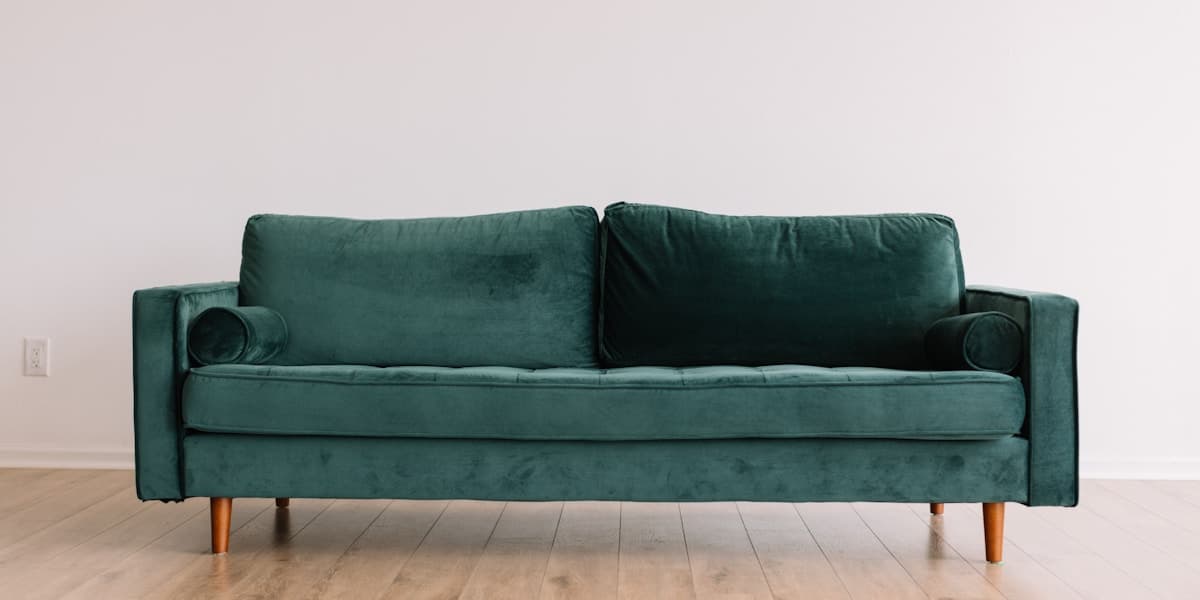
The lounge I keep thinking about is a 3.05 m × 4.25 m front room in a Victorian terrace in Leyton, with a bay window taking 35 cm from one end, a chimney breast 62 cm deep, and the door swinging in from a 78 cm hallway. A friend taped out a 112 cm-deep chaise sofa on the floor and immediately lost the route to the dining table. It looked glorious in the interiors press. In the room, it was a faff. Here is the thesis: in a UK lounge under 3.4 m wide, a sofa deeper than 105 cm usually costs more usable room than it gives back in comfort.
What we're working with
The deep sofa boom has a real cause. Ideal Home, on 8 January 2026, identified larger-scale, deeper sofas as a key living-room trend, tying the rise to people wanting to sprawl, nap, host and switch off. Four days later, on 12 January 2026, it called deep and generous sofas a defining 2026 seating trend. Fair enough. A 115 cm seat depth is lovely if you've got the floor.
The problem is the actual British lounge: narrow, interrupted, and usually asked to be more than one room. In our base plan, the radiator sits under the bay, the BS 1363 double socket is on the chimney-breast return, the aerial point is on the left alcove, and a child’s toy basket needs 60 cm × 40 cm beside the door because mornings are already chaos. There’s a cable run to consider, a coffee table bought in a £79.99 panic, and a dining drop-leaf at the back wall for two weeknight plates. The room can take comfort. It cannot take scale blindness.
Layout 1: shallow sofa on the long wall, TV in the alcove
The goal is to keep a proper sitting position without blocking the passage from the door to the rear dining corner.
This is the layout that looks least dramatic on Instagram and works best at 8:15 on a school-run morning. The sofa sits parallel to the room, so the remaining floor forms a clear 80–90 cm lane from the door to the dining end. That lane matters more than the extra 18 cm of seat depth that gets sold as luxury. You can carry mugs through it without turning sideways.
The trade-off is that the TV is slightly off-centre from the sofa. In a narrow living room, that is usually a better compromise than placing the screen on the chimney breast and forcing a deep sofa into the opposite wall. Keep the TV low and avoid a bulky 180 cm cabinet here; the extra storage is tempting, but the side of the unit becomes another thing for knees to clip. If you want to browse smaller pieces, the living room furniture category is more useful when you filter by actual width rather than style name.
Layout 2: modest chaise under the bay, open middle
The goal is to allow feet-up comfort while admitting that a full corner sofa is often too big for a narrow living room in the UK.
This is the layout for people who really do kip on the sofa. It borrows the awkward bay-window area for the chaise projection, where circulation is less valuable, and keeps the middle of the room open. The chaise must stop before the main walking route starts. If the projection reaches the door line, it has failed the room, however soft it feels in the showroom.
The Reddit thread on r/DIYUK from 29 May 2026 captured this anxiety neatly: a couple wanted a corner sofa in a narrow living room, but worried it would feel cramped while still needing space for family visits. That is the real test. Not whether two people can lounge on a quiet Sunday, but whether four adults can sit down at Christmas without everyone climbing over the corner piece. In this plan, add a light occasional chair by the left alcove when guests arrive. It can be £45.00 from a second-hand shop and still do the job.
Layout 3: deep sofa allowed, but no coffee table
The goal is to defend comfort by removing the object that usually makes it unworkable.
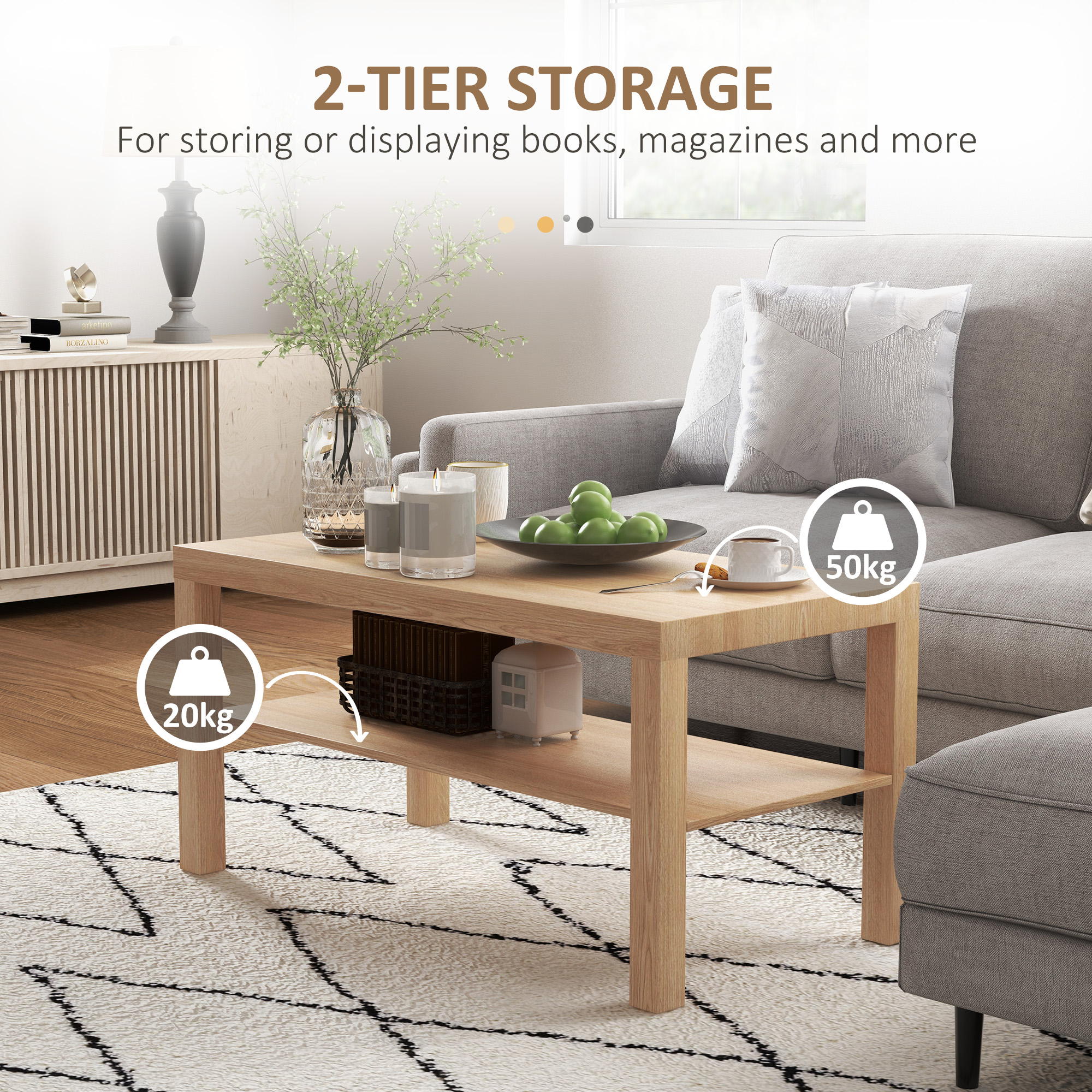
This is the fair counterargument. A deep sofa can work in a narrow lounge if the rest of the plan becomes disciplined. No ottoman pretending to be a coffee table. No chunky media unit. No floor lamp with a 45 cm base in the walking line. The sofa gets the depth, and every other piece pays rent in centimetres.
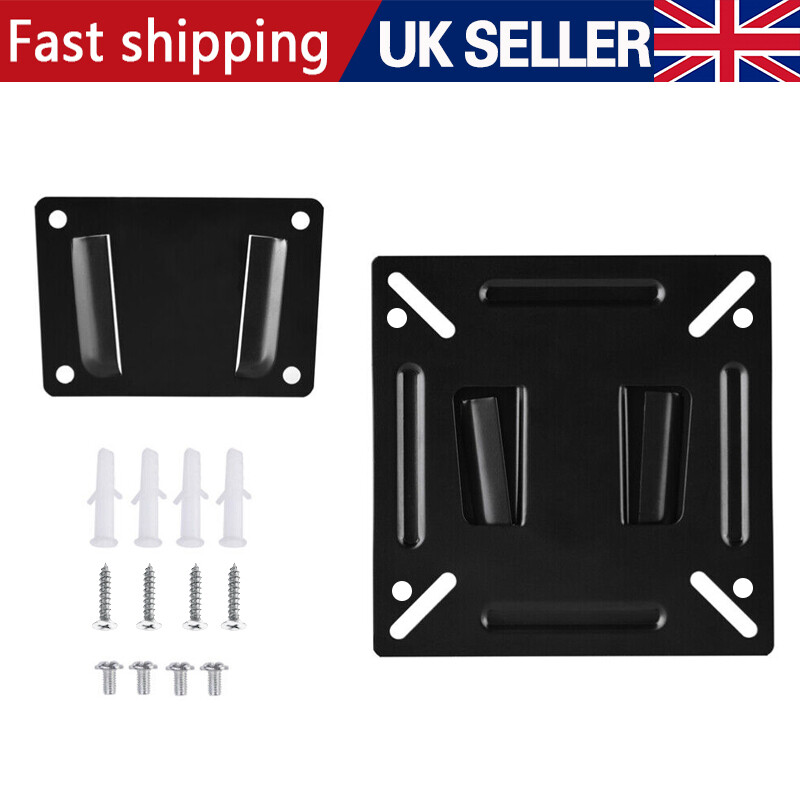
The viewing angle is decent because the TV stays on the chimney breast, but the cabinet beneath must be shallow. A wall-mounted bracket can help in small flats, especially where the aerial point is awkward and the landlord will allow fixings; just check the wall construction and load rating before drilling into old plaster. Cable trunking is never beautiful, and white plastic can yellow near a radiator, but it is less annoying than a unit projecting 45 cm into an already tight room.
Layout 4: two compact sofas facing, no chaise at all
The goal is to make a narrow lounge sociable rather than sleepy, which suits terraces where the front room doubles as the grown-up sitting room.
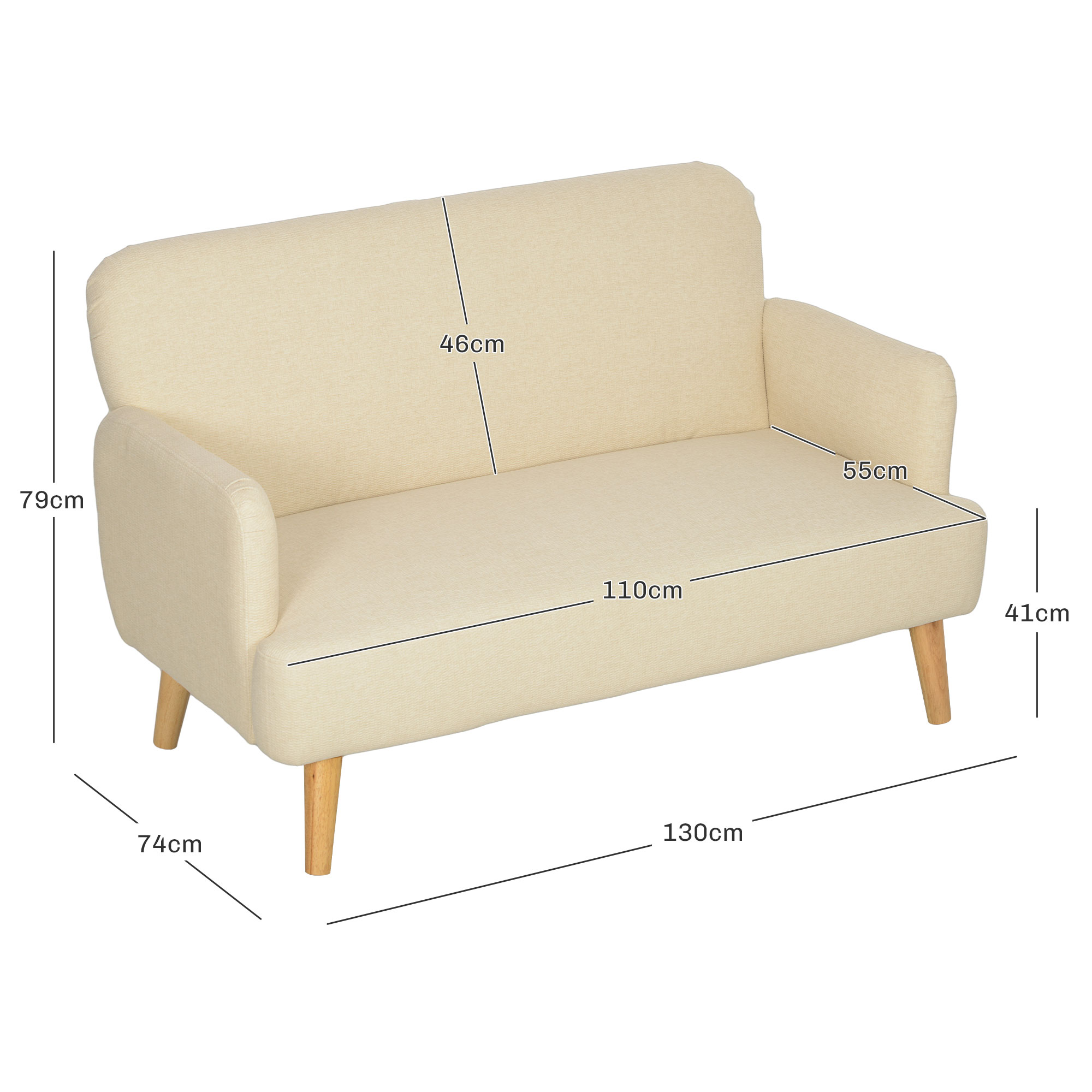
This layout rejects the deep-sofa trend outright. It gives you conversation, symmetry and a cleaner route through the room. In a 3.05 m-wide lounge, two 88 cm-deep sofas with a 75 cm gap use 251 cm, leaving enough tolerance for skirting, radiator valves and the wonky walls you get in Victorian terraces. A pair of compact seats, such as a small two-seater rather than a chaise, can be more generous in practice because nobody gets the duff corner seat.
The obvious drawback is television. Nobody gets a cinema position unless the screen swivels, and even then it can look a bit student-flat if the bracket is too visible. This plan suits households where the telly is part of the room, not the room’s main altar. It also needs restraint on cushions; four large 55 cm cushions on compact sofas steal the sitting depth you worked so hard to protect.
Layout 5: new-build open-plan lounge with dining squeezed behind
The goal is to stop a deep sofa from swallowing the only route between kitchen, balcony doors and dining table.
Manchester new-builds and post-war flats often have a different problem from terraces: fewer chimney breasts, but more jobs crammed into one rectangle. The sofa becomes a room divider, which is useful until its back blocks the dining chairs. Pull a chair out 60 cm and you quickly see why a 115 cm-deep sofa is not neutral. It eats the chair movement first, then the route to the balcony.
If you float the sofa, measure the back as carefully as the seat. Some deep models have sloping backs that add 8–12 cm at floor level. That sounds minor until it steals the gap behind the dining chair. A round coffee table is safer than a long rectangle here; corners are what catch shins when council recycling bags are waiting by the door on collection morning.
Common mistakes
The first mistake is measuring wall length and ignoring projection. A 240 cm sofa may fit the wall, but if it is 115 cm deep in a 3.0 m room, the floor left in front can be mean. The second is buying the corner sofa before deciding where the door swing lands. In rented flats, you may not be allowed to rehang the door, so the furniture has to respect it.
The third mistake is pairing a deep sofa with a deep TV unit. One oversized piece can be a choice; two become a blockage. The fourth is treating the radiator bay as dead space. It is not dead if curtains, valves and heat clearance need room. Leave at least 10 cm behind furniture near a radiator, more if the fabric care label warns against heat. Bulbs, brackets and fixings are often not included with wall lights or mounts, so budget the small bits before declaring the layout sorted.
FAQs
What sofa depth is too big for a narrow UK living room?
In rooms under 3.4 m wide, anything over 105 cm deep needs a careful plan. It can work, but you will probably have to lose the coffee table, choose a shallow TV unit, or accept tighter circulation.
Can a corner sofa work in a Victorian terrace lounge?
Yes, if the chaise sits into the bay or away from the main route. A full L-shape that blocks the door-to-dining path will make the room feel cramped, even if the wall measurements technically fit.
How much walking space should I leave in front of a sofa?
Aim for 80 cm on a main route and 45 cm between sofa and coffee table. You can squeeze to 60 cm in a quiet corner, but it starts to feel dodgy where people carry drinks or laundry baskets.
Is a deep sofa worth it if I nap on it?
It can be. Give the sofa priority, then cut depth elsewhere. Use side tables instead of a coffee table, wall-mount the TV where suitable, and avoid a heavy media cabinet.
What is the best alternative to a deep corner sofa?
A compact two-seater with an occasional chair often seats guests better in a narrow room. It also lets you move the chair for family visits rather than living with a permanent blocked corner.