
The thing I noticed in a north London flat last month wasn’t a medicine box; it was the unused 20 kg dumbbell wedged behind a 78 cm hallway door. The owner was on private weight-loss tablets, eating far less, and suddenly found her old gym plan too much faff. So the real question isn’t whether weight-loss pills make home gym kit trendy. It’s whether strength training on weight loss pills in the UK is now a muscle-loss safeguard, especially in rented flats where space and energy are both tight.
The short answer
Yes, but only in a narrow, practical sense. Weight-loss medication does not create a moral duty to buy equipment, and nobody should train through dizziness or poor nutrition. The defensible claim is this: if a medicine suppresses appetite and your week contains no progressive resistance work, your weight-loss plan is incomplete because strength loss is a foreseeable risk, not a cosmetic detail.
The longer answer
What has changed in the UK conversation?
The public chat has raced ahead of the practical advice. Which? reported on 24 August 2026 that Wegovy tablets are now available privately in the UK and that another weight-loss tablet, Foundayo, has been authorised. Its warning was the useful bit: these drugs are not a magic bullet and lifestyle changes still matter. That sounds obvious until you watch the coverage. Appetite gets all the airtime. Muscle barely gets a look-in. NHS inform, in guidance published on 28 July 2026, was more direct: people taking weight-loss medication should combine enough protein with strength work to help minimise muscle-mass loss. The BMJ also noted in July 2026 that updated UK chief medical officers’ physical activity guidance, for the first time, highlights muscle-maintaining activity for people taking GLP-1 drugs. That is a shift.
Why does appetite suppression make strength work harder?
A smaller appetite sounds helpful until breakfast becomes half a yoghurt and tea, lunch is forgotten, and the 6.30 pm workout feels grim. Losing weight usually means losing some lean mass as well as fat; the aim is to reduce how much. Protein helps, but protein is harder to hit when food is suddenly less appealing. Training is harder too. A plan that worked before medication may feel too big, too long, or a bit dodgy if nausea is in the background. That’s why the home set-up matters. Not a garage gym. A band, a pair of adjustable weights from 2 kg to 20 kg per hand, or a fold-flat bench that needs about 120 x 45 cm of floor. Small enough to survive narrow stairs. Useful enough to repeat.
What does home strength kit add that walking does not?
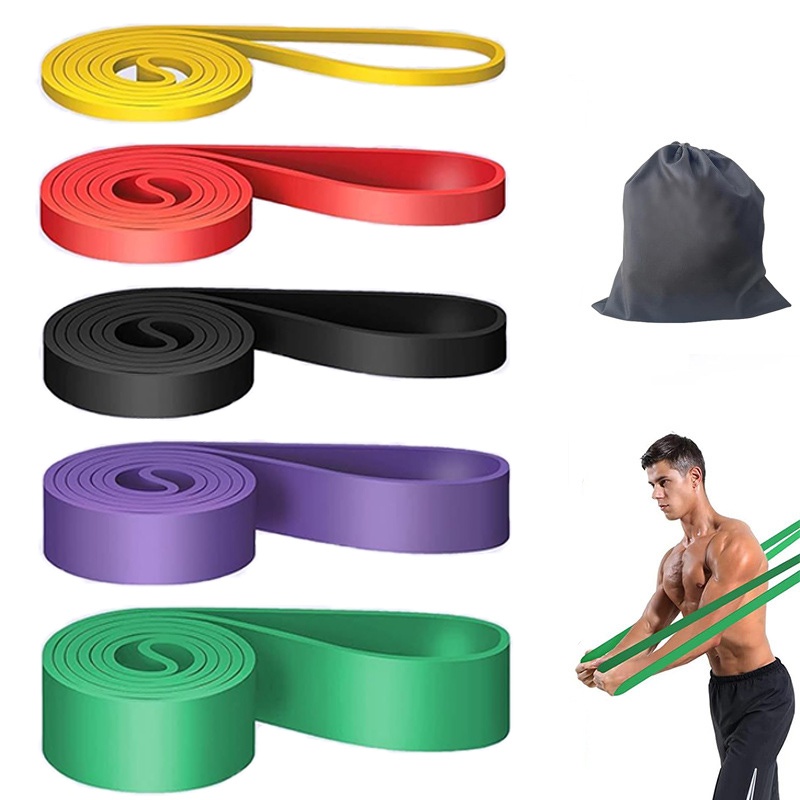
Walking is decent, and for many people it is the first habit that sticks. It does not, by itself, load the upper back, hips, chest and arms through enough resistance to preserve strength. Bands can give rows, presses and assisted squats without needing a BS 1363 socket or a 600 W motor humming in the corner. A compact bench makes split squats and supported rows less awkward. The point is progression: a little more tension, a slightly heavier dumbbell, one more controlled rep. A set such as a heavy-duty resistance band kit can illustrate the idea because it stores in a drawer and offers variable resistance, though the caveat is real: latex bands can smell at first, door anchors may mark paint, and old bands should be checked for splits.
Isn’t this just selling anxiety about muscle loss?
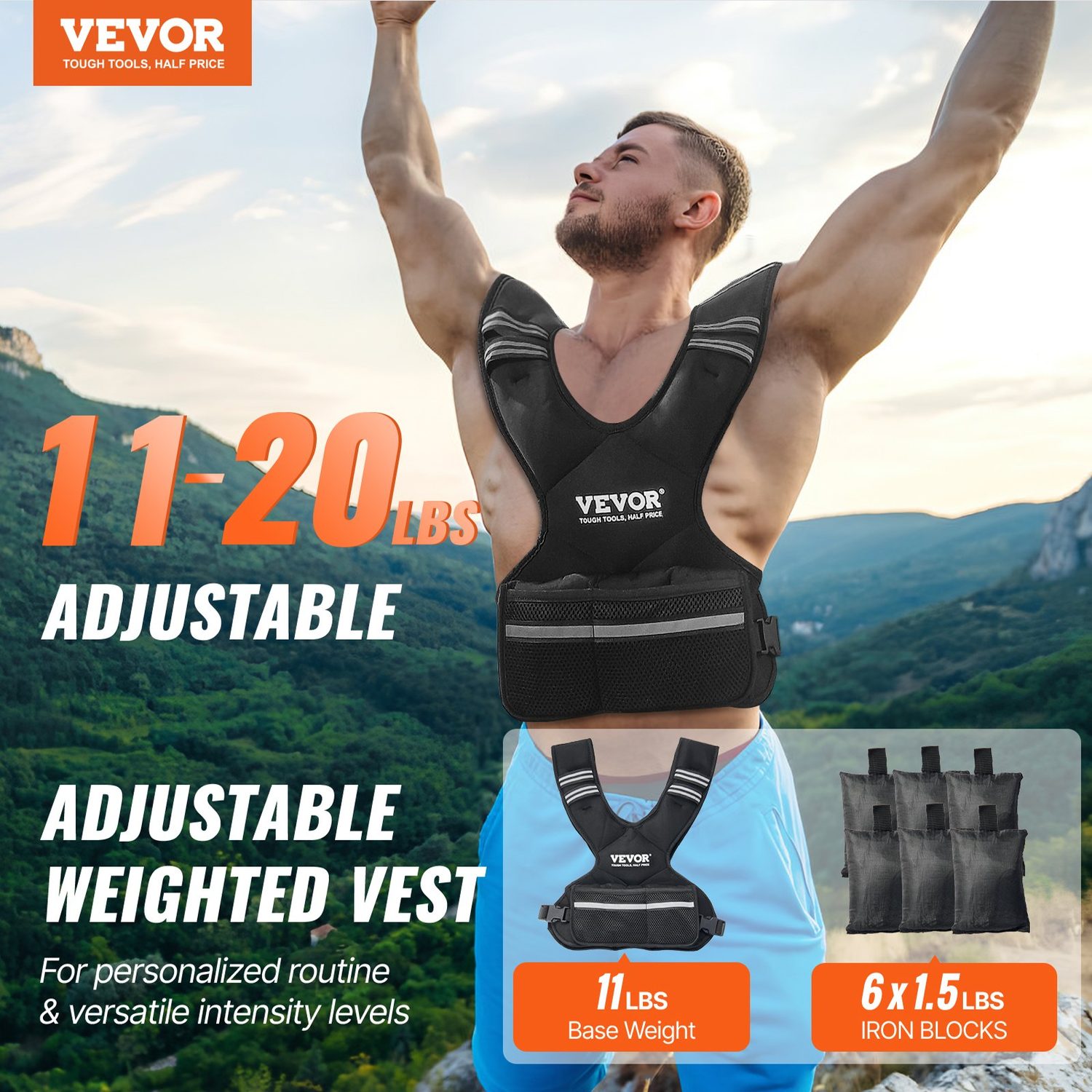
That counterargument deserves a proper hearing. Plenty of people taking weight-loss medication already have a gym routine, a physio plan, or a job that keeps them strong. They do not need extra kit. Some fitness marketing has also become shameless, treating every new health story as an excuse to sell more clutter. A 30 lb weighted vest, for instance, is not a starter tool for someone who is light-headed or has sore knees; if loaded walking is used at all, it belongs after basic strength and balance feel sorted. The better argument is more boring and more useful: resistance training should be easier to keep doing. If kit lowers the barrier from a 45-minute gym trip to 18 minutes in the spare room, it has a health role. If it becomes guilt in a box, send it back.
What would a sensible week look like?
For many UK homes, the best plan is almost embarrassingly plain. Two short strength sessions a week, maybe three if recovery is good. Each one covers a squat or sit-to-stand pattern, a hinge such as a Romanian deadlift, a push, a pull, and some loaded carrying if space allows. In a Victorian terrace with a 92 cm living-room gap between sofa and fireplace, that might mean band rows, bench-supported presses, slow squats and calf raises while the kettle boils. Prices vary: simple resistance bands often sit around £18.99 to £35.00, while adjustable dumbbells can run from £79.99 to £199.99. Cheap benches can wobble. Chrome handles show fingerprints. Bulky kit rarely earns its keep.
Related questions
What strength training is best on weight-loss pills in the UK?
The best strength training on weight-loss pills is progressive resistance work done two or three times a week, as long as your prescriber has not advised against it. Focus on controlled squats, hip hinges, pushes and pulls rather than punishing circuits. The goal is keeping muscle and function while weight comes down.
Can resistance bands help prevent muscle loss on GLP-1 medication?
Resistance bands can help reduce muscle loss if they provide enough tension and you progress the work over time. They are not magic, but they suit small UK flats because they store easily and allow rows, presses and lower-body work. Replace bands that crack, whiten or feel sticky.
Do I need a gym membership if I’m taking weight-loss tablets?
No, you do not need a gym membership to do useful strength work while taking weight-loss tablets. A home plan with bands, adjustable weights or bodyweight exercises can work if it is consistent and gradually harder. A gym may help if you want machines, coaching or heavier loads.
Should I wear a weighted vest while on weight-loss medication?
A weighted vest is not the first tool to use while on weight-loss medication. Start with basic resistance training and steady walking, then consider a light vest only if balance, joints and energy are good. Stop if you feel dizzy, breathless in an unusual way, or unsteady at kerbs.
How much protein do I need when strength training on weight-loss pills?
You need enough protein to support muscle while losing weight, but the right amount depends on your body size, medical history and prescription plan. NHS inform specifically links adequate protein with strength work for minimising muscle-mass loss. Ask your prescriber or dietitian for a target you can actually eat.
The sensible takeaway is not that every person on a weight-loss pill needs a bench in the lounge. It is that strength training has moved from nice extra to basic safeguard in this conversation. If appetite suppression makes meals smaller and workouts easier to skip, choose the least dramatic kit you will use twice a week. A band in a drawer beats an heroic plan that never leaves the group chat.