
At 8:15 outside a primary school in Bristol last week, I watched a woman doing the school run in leggings, a padded 10 kg-looking vest and a face that said she was already sick of the thing. That is the weighted-vest menopause trend in miniature: possibly useful, slightly awkward, and being sold online as if bones respond to vibes. So, are weighted vests good for menopause bone health in the UK? Yes, but only if you treat them as training kit, not a magic tabard for the washing-up.
The short answer
Weighted vests can support menopause bone health if they add controlled, progressive load to walking or strength sessions. They are not proven magic bone armour, and wearing one around the house for hours is more likely to annoy your neck than rebuild a hip. The useful version is short sessions, good posture, modest starting weight and gradual progress alongside proper strength work, balance practice and regular activity.
The longer answer
What does a weighted vest actually do for bones?
Bones respond to load. That is the sensible bit behind the trend. After menopause, falling oestrogen is linked with faster bone loss, so exercise that asks muscles and bones to work harder matters. Bupa UK’s menopause exercise advice, published on 7 September 2026, points to strength, balance and regular activity as ways to reduce longer-term health risks; it does not crown one gadget as the fix. A vest can make a 25-minute walk round a Manchester new-build estate more demanding without needing a gym. But the load still has to be enough to count, positioned well, and repeated over time. A vest worn while slumping over a laptop in a rented flat is just extra pressure on a tired upper back.
How heavy should a menopause beginner’s weighted vest be?
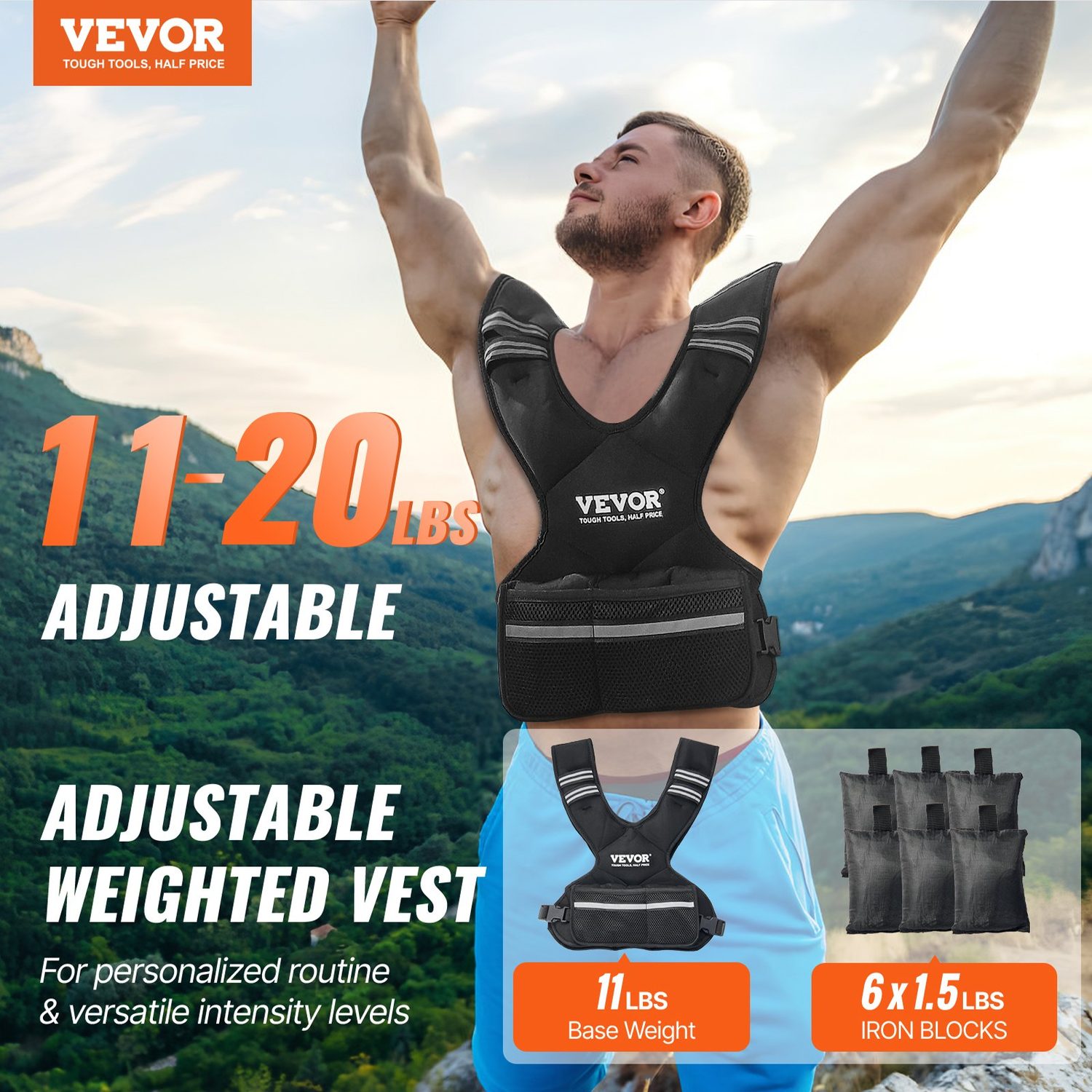
Start boringly light. For many midlife beginners, 5% of body weight is plenty for walking: that is 3.5 kg for a 70 kg person, not a heroic 15 kg from day one. Women’s Health updated its weighted-vest guide on 6 August 2026 and made a decent point: the best vest is the one people will actually wear, not the heaviest one they can boast about. I would rather see three 15-minute walks a week in a snug 4 kg adjustable vest than one grim stomp with sore traps. An adjustable weighted vest makes more sense than a fixed heavy one because you can add 0.5 kg or 1 kg at a time. If your posture changes, the weight is too much.
Isn’t any extra load better than none?
This is the fair counterargument, and it has bite. Most of us sit too much. A vest adds load without learning barbell technique, travelling to a gym or finding floor space in a Victorian terrace with narrow stairs. For someone who already walks daily, adding a small vest can be a savvy way to increase effort. But “extra load” is not automatically “bone-building load”. Bones like clear signals: impact, resistance and progression. Ten distracted minutes unloading the dishwasher while padded like a budget commando is not the same as a planned uphill walk or step-up session. The Reddit confusion captures it well: in August 2026, one r/walking poster asked if a vest was worth it after seeing one on a morning walk, while an r/bodyweightfitness buyer had sore shoulders and traps by day two. Both can be true.
What should a sensible session look like?
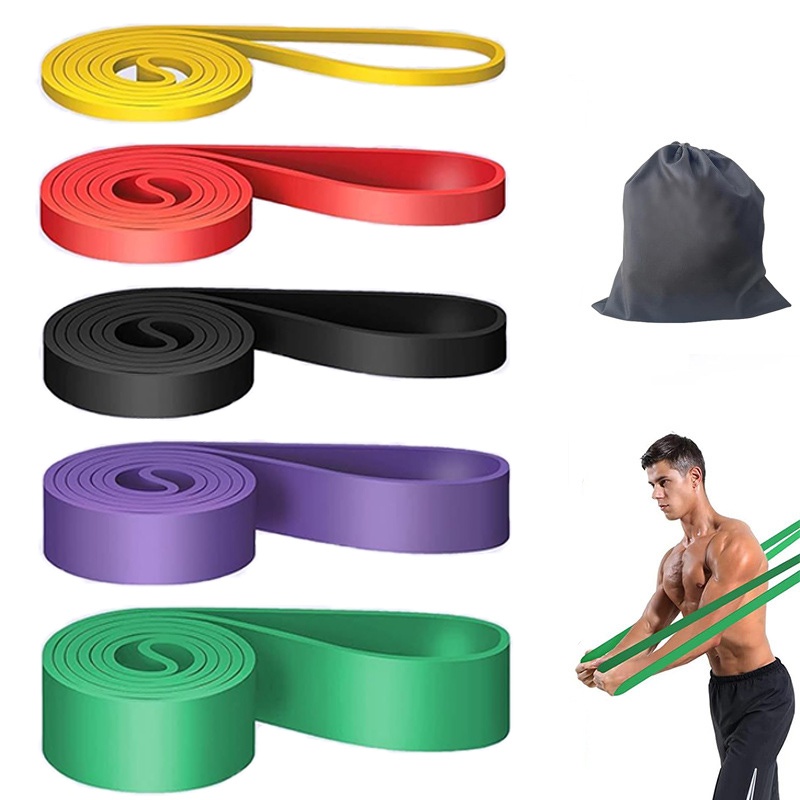
Keep it short enough that you finish with good form. Try 10 to 20 minutes, twice a week, on flat ground before adding hills, stairs or speed. The vest should sit close to the torso, not bounce like a school rucksack. Your ribs should stack over your pelvis; if your chin pokes forward or you grip through your neck, stop. Build by time first, then a little weight. Pair it with simple resistance work: sit-to-stands from a 45 cm dining chair, step-ups on a stable 18 cm step, rows with heavy-duty resistance bands fixed safely to a door anchor, or farmer carries with two shopping bags of equal weight. It’s less glamorous than the TikTok version. It is also less daft.
Who should be careful or skip it?
If you have diagnosed osteoporosis, a recent fracture, pelvic floor symptoms, balance problems, neck pain or uncontrolled blood pressure, get proper clinical advice before loading up. That may mean a GP, physiotherapist or menopause specialist. A vest changes your centre of mass, and a kerb you usually ignore can become a trip risk if you are fatigued. People with large busts may also find some vests rub at the armhole or compress awkwardly across the chest. Watch the small caveats: some cheaper vests smell rubbery for the first week, Velcro can catch knitwear, and reflective strips are handy in winter but do not make dark country lanes suddenly safe.
Related questions
Are weighted vests good for menopause bone health in the UK?
Weighted vests can be good for menopause bone health when they are used as planned, progressive exercise rather than casual all-day wear. In the UK, they fit best alongside brisk walking, strength training, balance work and medical advice where osteoporosis or fracture risk is already present.
What weight vest should I start with after menopause?
Most beginners should start with about 5% of body weight, so roughly 3 kg to 4 kg for someone around 70 kg. Use that for short walks first, then increase slowly if your neck, knees and lower back feel fine the next day.
Is walking with a weighted vest enough for bone density?
Walking with a weighted vest may help, but it should not be your only bone-health strategy. Bones usually need varied loading, so add strength exercises such as squats to a chair, step-ups, rows, carries and balance drills if you can do them safely.
Can a weighted vest make neck or shoulder pain worse?
Yes, a weighted vest can make neck or shoulder pain worse if it sits badly, bounces, or is too heavy. Soreness in the traps by day two is a warning sign to reduce the load, shorten the session or switch to another form of resistance.
Are resistance bands better than weighted vests for menopause?
Resistance bands are often better for beginners who want controlled strength work without carrying weight through the spine. A heavy-duty band set can train hips, back and arms indoors, though bands do not replace the specific whole-body loading of a well-used vest.
Should I wear a weighted vest around the house?
You usually should not wear a weighted vest around the house for hours and assume it is protecting your bones. Short, intentional bouts are cleaner: a walk, a step-up session, or a few loaded carries where posture stays decent and you are not multitasking.
The vest trend is not nonsense, but the lazy claim is. If the question is “are weighted vests good for menopause bone health UK?”, my answer is yes with homework attached: start light, keep sessions short, progress slowly and stop pretending discomfort is proof it’s working. For many women, an adjustable vest and a simple strength plan will be sorted. For others, bands, weights or physio-guided work will be the better route.