
At 7:42am in a Manchester new-build, with a PE kit dumped on the kitchen chair and the school run already going sideways, a wrist buzz saying your heart rate has settled can feel oddly comforting. That is exactly the danger. This is a head-to-head between a smartwatch or fitness tracker and a proper home blood-pressure monitor for UK households worried about hypertension. Our thesis is plain: for spotting or managing high blood pressure at home, a smartwatch is less accurate and less useful than a validated cuff used with boring discipline. The watch may prompt you. The cuff gives you a measurement your clinician can work with.
The case for a smartwatch
The strongest case for the smartwatch is that it is already on your wrist. A fitness tracker with optical heart-rate sensing can show resting heart-rate trends, flag a spell of unusually high pulse after a poor kip, and make some people more aware of activity, sleep and stress. That matters. A device you wear for 16 hours is more likely to nudge behaviour than a monitor left in the bedside drawer behind old phone chargers.
The counterargument deserves a fair hearing: if a watch keeps someone engaged with their health, asks them to slow down, and pushes them to book a GP appointment after repeated odd readings, it has done something useful. Which? in February 2026 explained smartwatch heart-rate features while also warning that people with heart concerns should see a doctor. That boundary is the whole story. The watch is good at prompts; it is weak as proof.
Most consumer watches estimate heart rate using light sensors against the skin. Blood pressure is different. It is pressure in the arteries, normally expressed as two numbers such as 135/85 mmHg. Some wrist gadgets claim blood-pressure estimates, often relying on calibration, position and algorithms. A snug strap after a run is not the same as a cuff squeezing the upper arm while you sit still with your back supported. You may get a tidy graph, but tidy graphs can be dodgy if the underlying measurement is not the one the NHS is asking for.
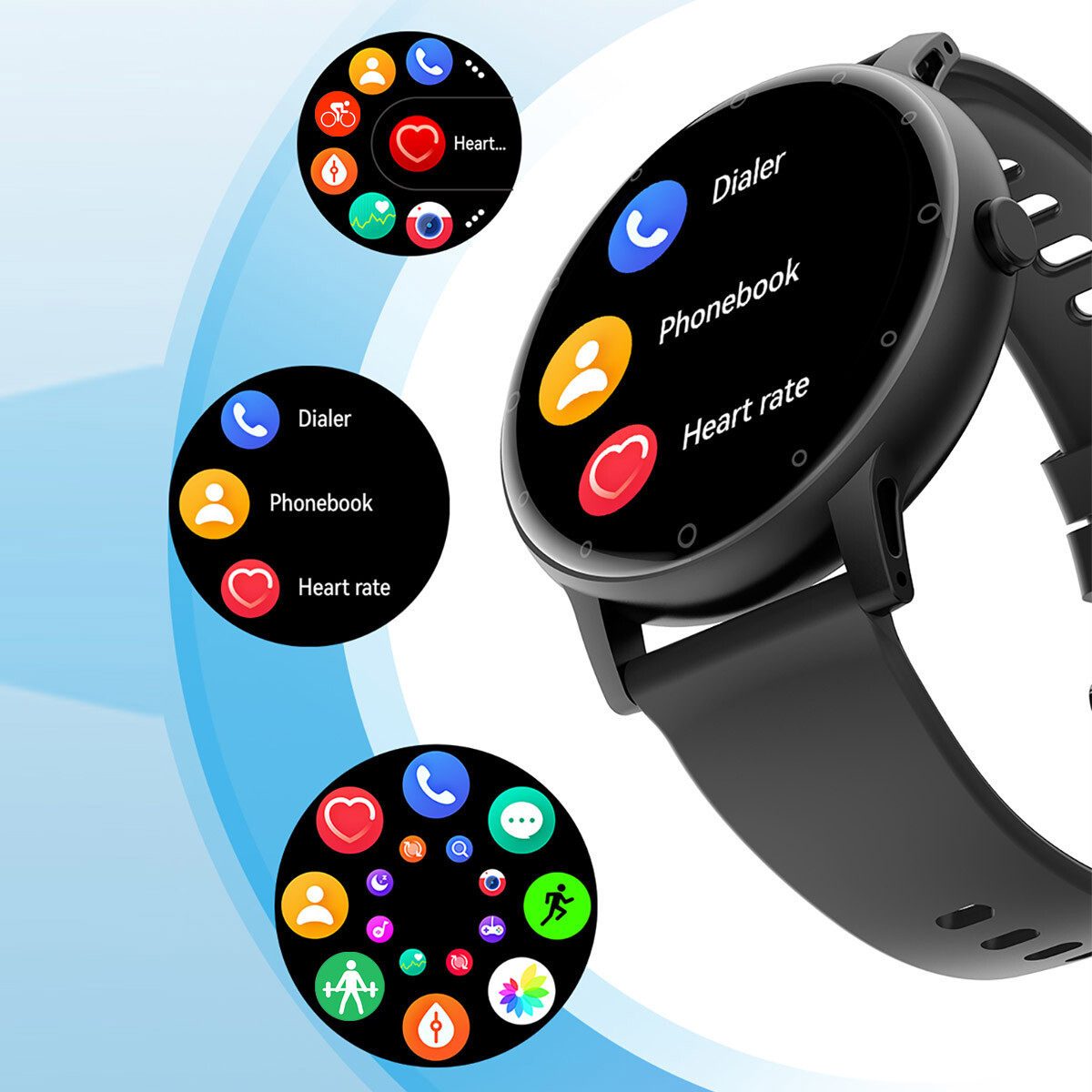
Price does not rescue the smartwatch case. UK catalogue trackers can sit at £39.99 to £129.99, with pricier models far above that, and the wellness dashboard can look convincing. A product such as a Bluetooth call smart watch fitness tracker may be handy for casual pulse checks, but that is not a blood-pressure plan for the house.
The case for an upper-arm blood-pressure monitor
A home blood-pressure monitor is less glamorous, which is part of its virtue. It asks you to sit down, put the cuff on properly, take the reading, wait, repeat, and write down or store the result. That faff is not a flaw. It is the discipline that makes the numbers usable.
NHS blood-pressure guidance reviewed on 25 November 2025 tells patients using home monitoring to take readings with a blood-pressure machine, usually twice in the morning and twice in the evening when instructed. NICE hypertension guidance, last updated on 26 February 2026, also centres self-monitoring on home blood-pressure monitoring and points people towards validated device lists. That is not anti-tech conservatism. It is the clinical system saying: if we are going to act on numbers, the numbers need to come from the right sort of kit, used in a repeatable way.
The British Heart Foundation’s current Know Your Numbers material says up to 8 million people in the UK are living with undiagnosed or uncontrolled high blood pressure. That is why the home device matters. High blood pressure can sit quietly for years, especially in a busy rented flat where the only health admin happening on a Tuesday night is ordering paracetamol with the groceries. A validated cuff gives you a way to gather readings before the GP appointment, rather than relying on one stressed number taken after a brisk walk from the car park.
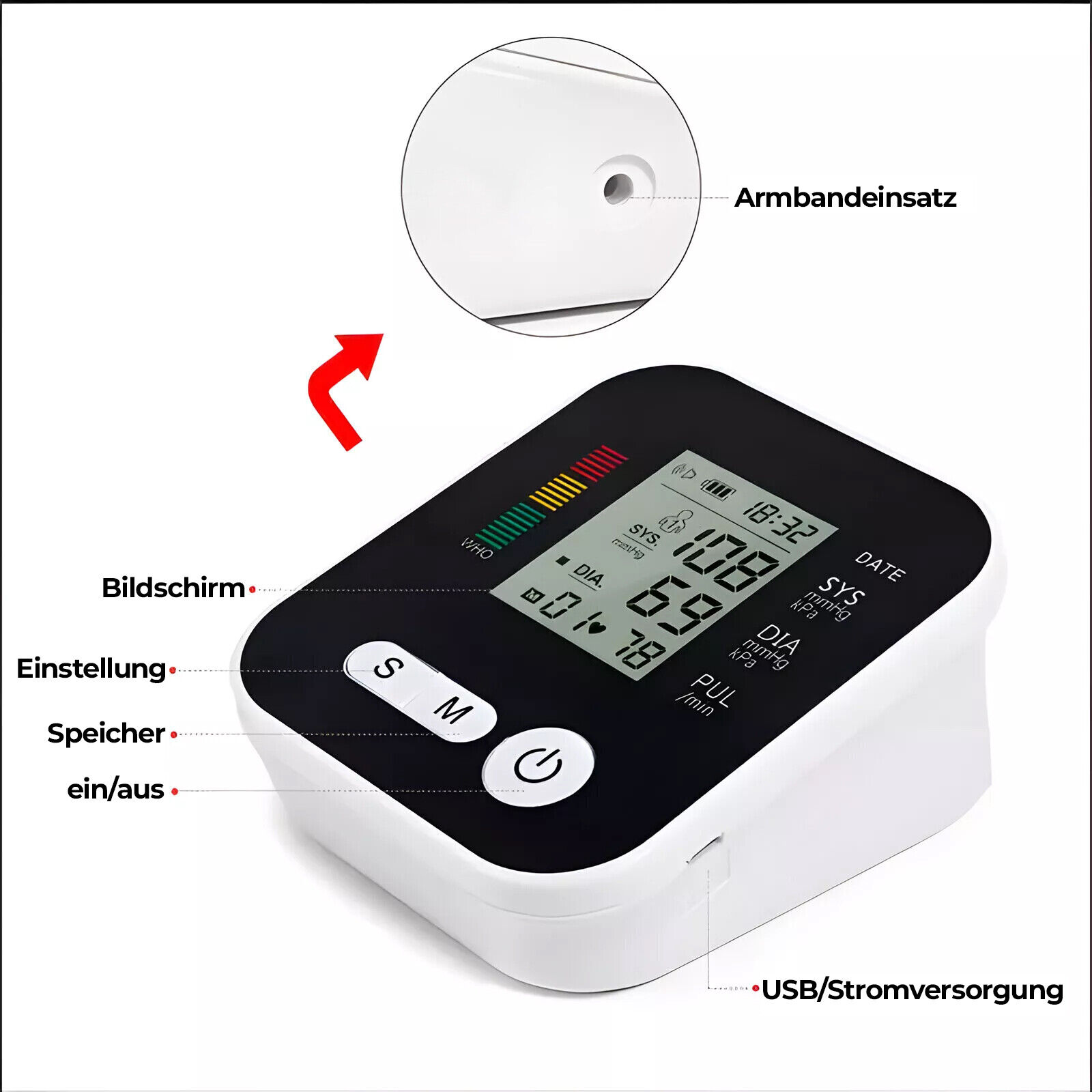
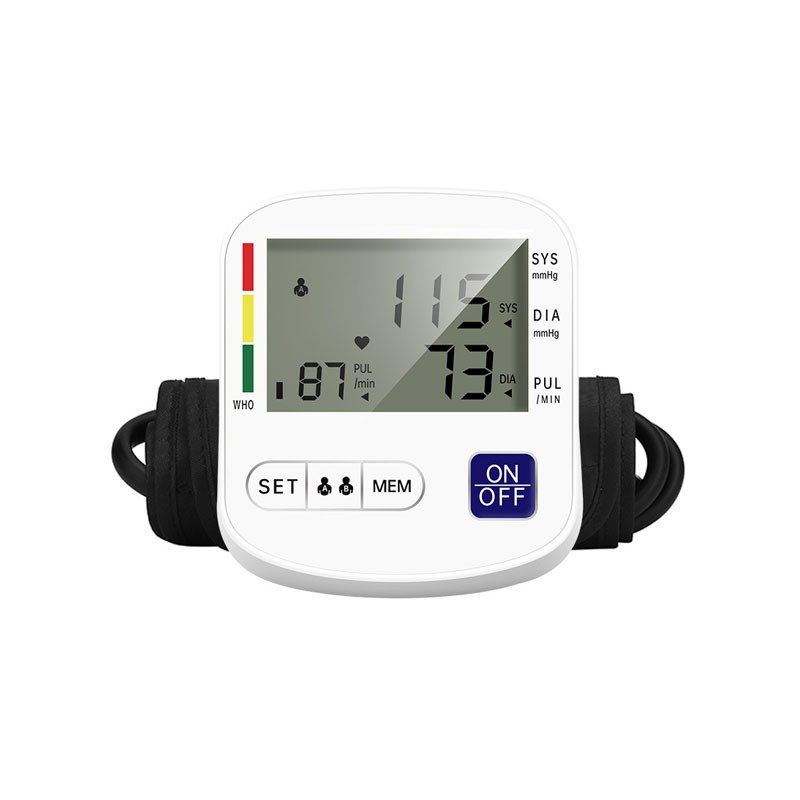
For most homes, an upper-arm monitor is the better bet than a watch-style claim because the cuff method matches the guidance more closely. Look for a cuff that actually fits: many standard adult cuffs cover roughly 22 cm to 42 cm upper-arm circumference, while larger arms need a larger cuff to avoid misleading results. A digital upper-arm blood-pressure monitor with an LCD screen or a dual-user home blood-pressure monitor with cuff can make sense in a household where two adults are tracking readings, but validation and fit matter more than a backlit display. Basic UK cuff monitors often sit in the £24.99 to £69.99 band; paying more for memory slots is useful only if you will use them properly.
The honest trade-off
The smartwatch wins on convenience. It lives on you, needs no kitchen-table ritual, and is better at showing lifestyle patterns than a cuff you use for seven days before a review. If your aim is to notice that Sunday pints and five hours’ sleep push your resting pulse up, the watch is decent.
The cuff wins because blood pressure is not a vibe. You give up the glossy, always-on reassurance and accept a slightly dull routine: feet flat, arm supported, cuff at heart level, no talking, repeated readings. You also need to deal with the unsexy details, including cuff size, batteries, stored dates and whether the person reading the screen has their glasses to hand.
A smartwatch can start the conversation, but a validated cuff is the measurement plan.
The trap is false reassurance. A calm heart-rate graph after dinner does not rule out hypertension. A high pulse alert does not diagnose it. The useful household setup is not more wellness noise; it is fewer numbers, taken better, and shared with someone who can interpret them.
Which to pick by use case
- Previous raised blood-pressure reading, family history or GP request: pick an upper-arm blood-pressure monitor. Use a validated cuff, take repeated morning and evening readings if instructed, and share the actual numbers rather than screenshots of general wellness trends.
- Rented flat under 60 m² with one drawer for all health kit: pick an upper-arm blood-pressure monitor. It takes less space than the box suggests, costs less than many watches, and gives the one set of readings that matters for hypertension checks.
- Fitness motivation with no blood-pressure concern: pick a smartwatch. For step prompts, casual heart-rate trends and reminders to move, a tracker is the more usable device because it is always there.
- Two adults monitoring at home after different GP appointments: pick a dual-user cuff monitor. Separate memory banks reduce muddled readings, which is a proper win if one person is tracking medication changes and the other is doing a one-week check.
FAQs
Is a smartwatch accurate enough to check blood pressure in the UK?
No. A smartwatch is not accurate enough to replace a validated home blood-pressure monitor for checking or managing blood pressure in the UK. It may show heart-rate trends or wellness prompts, but NHS and NICE guidance is built around blood-pressure machines, repeated readings and clinically usable records.
What is the best device for checking blood pressure at home?
A validated upper-arm blood-pressure monitor is the best home device for most UK adults checking blood pressure. Choose a cuff that fits your arm, sit still during readings, and follow the schedule your clinician gives you.
Can I show my smartwatch heart data to my GP?
Yes, you can show smartwatch heart-rate data to your GP, but it should sit behind proper blood-pressure readings if hypertension is the concern. A watch graph may help describe symptoms or patterns; it should not be treated as a diagnosis.
How often should I take home blood-pressure readings?
If you have been asked to monitor at home, NHS guidance says readings are usually taken twice in the morning and twice in the evening. Follow the exact plan from your GP, nurse or pharmacist, because timing and repetition affect how useful the results are.
Is a wrist blood-pressure monitor as good as an upper-arm cuff?
An upper-arm cuff is usually the safer choice for home blood-pressure monitoring because it is easier to position consistently. Wrist monitors can be useful for some people, but they are more sensitive to wrist height and posture, so validation and technique matter even more.