
At 8:15 on a wet Tuesday in a Manchester new-build, I watched a blood-pressure cuff come out of the 42 cm gap beside the microwave, straight after the school run and a strong coffee. The worry was familiar: how often should I check blood pressure at home in the UK without turning a sensible habit into a proper doom loop? That is the bit many monitors leave out. The device gives numbers. Your household needs rules.
The short answer
If your GP, pharmacist or specialist has asked for home blood pressure readings, a common UK routine is two readings in the morning and two in the evening for four to seven days, then sharing the average. If you have no diagnosis, no medication review and no symptoms, daily checking is usually more faff than help. Random readings rarely answer a clinical question.
The longer answer
What counts as a sensible home blood pressure routine?
A sensible routine starts with a reason. It might be a medication review, a raised pharmacy reading, suspected white-coat hypertension, ADHD medication titration, or follow-up after your GP has asked for evidence from normal life rather than one tense ten minutes in the surgery.
The usual home pattern is dull, which is why it works: sit quietly for five minutes, feet flat, cuff on bare upper arm at heart height, then take two readings one minute apart. Do that morning and evening for four to seven days. Many clinicians prefer the average, not the most dramatic number. A kitchen chair at a 72 cm table is often better than the sofa, where your arm drops and the cuff sulks.
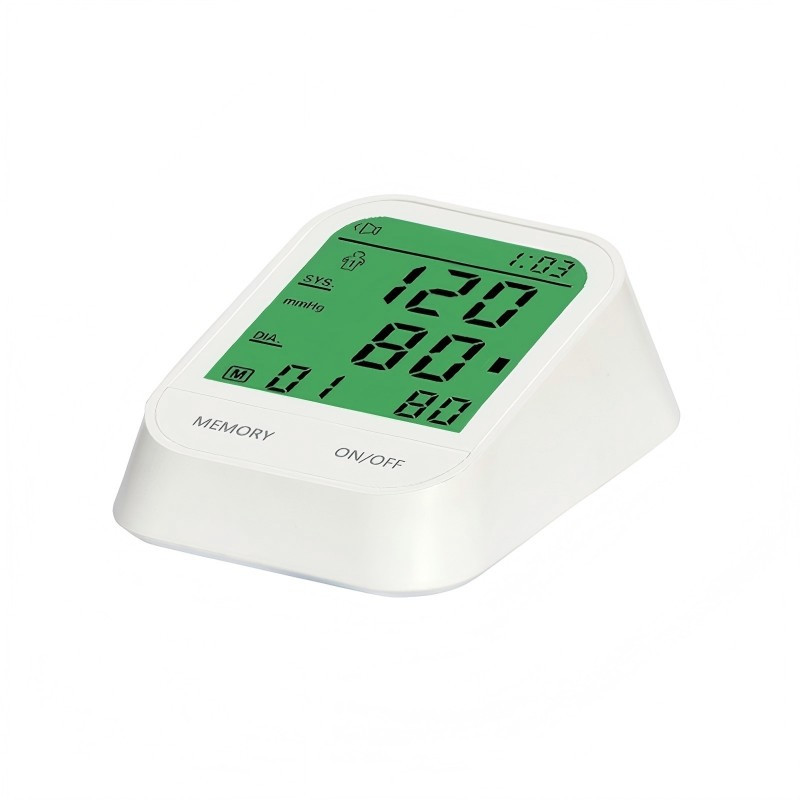
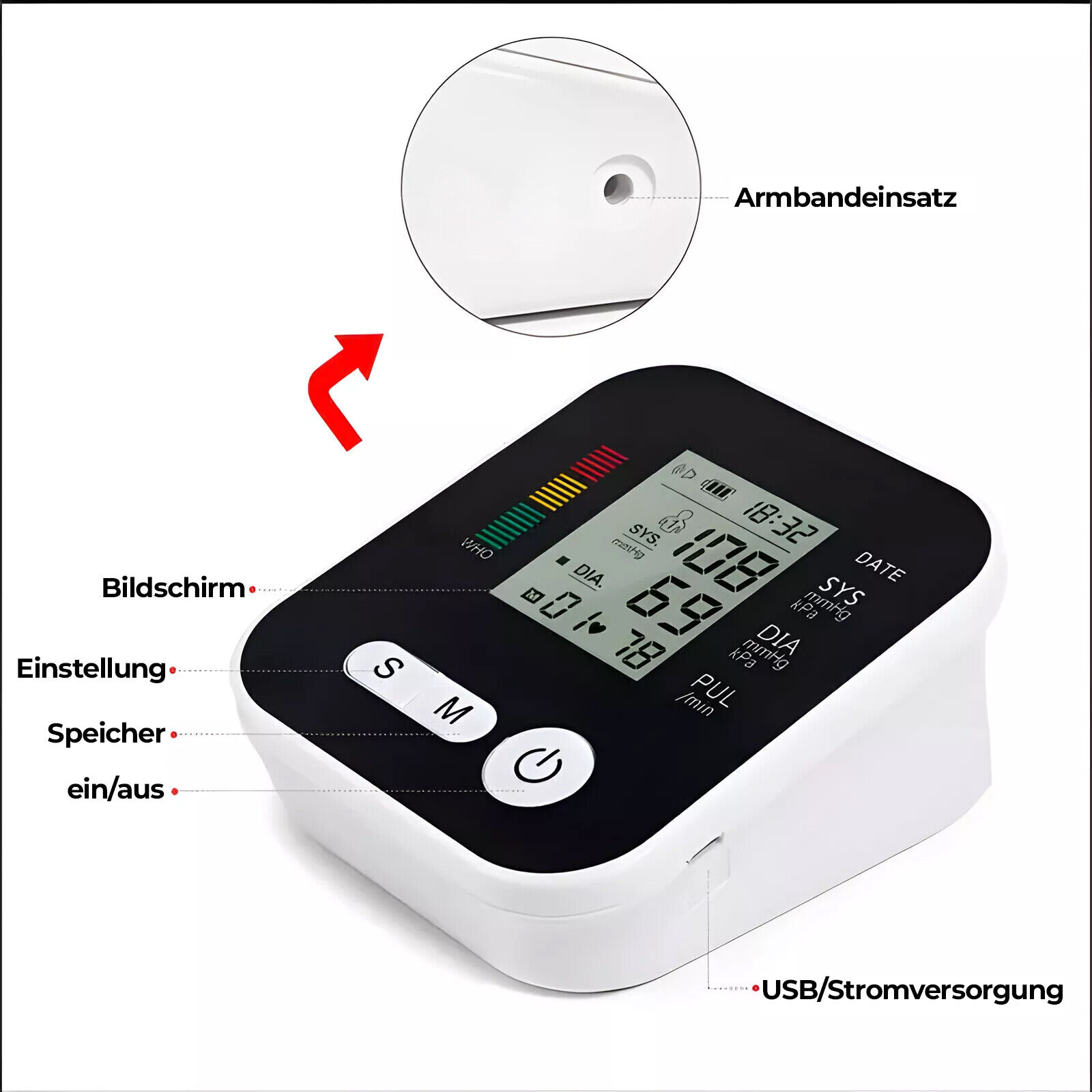
A basic upper-arm device such as a digital upper-arm blood pressure monitor with LCD is only useful if the cuff fits. Plenty cover roughly 22-42 cm arms, but not all do. A too-small cuff can over-read. Batteries fade, memory buttons get pressed by the wrong person, and the cuff tube somehow ends up kinked behind the fruit bowl. None of that is glamorous. It matters.
Why can random checking make people less safe?
Here is the thesis, plainly: a home blood pressure reading is useful only if it answers a question agreed in advance; otherwise it is noise wearing a medical costume. You could disagree with that. Some people will say more data is always safer. The evidence around home checks is more awkward.
University of Manchester research reported on 20 August 2026 found that 79% of UK adults had already used some form of self-monitoring. That is not a fringe behaviour. The same work raised concerns about anxiety, obsessive testing, confusion over results and poor motivation. A 2026 BMJ article made a similar criticism of commercial self-testing: it often sells peace of mind and self-knowledge, while risking misleading results and overdiagnosis in healthy people.
Blood pressure is jumpy. A reading after coffee, a row about PE kit, climbing narrow stairs in a Victorian terrace, or opening a council tax bill is not the same as a rested reading. One 158/94 mmHg result may fall to 127/82 mmHg ten minutes later. If the rule is simply check again until you feel better, the monitor becomes part of the anxiety, not a way through it.
When does home data genuinely help a clinician?
Home readings help when they show a pattern under ordinary conditions. That is why clinicians like a short diary more than a month of scattered screenshots. The AskUK thread from 15 October 2026 showed the useful side neatly: people were buying monitors for medication reviews, ADHD titration and follow-up after a pharmacy reading. Those are proper reasons, because someone is likely to act on the data.
A decent diary records the time, the two readings, pulse, medication changes and any relevant symptoms. It should also say if the reading was taken after exercise, stress, alcohol or a poor kip. If two people in the same household use one monitor, a dual-user memory can stop Mum’s morning readings being mixed with Dad’s evening ones; a home blood pressure monitor with dual-user memory is useful for that reason, not because it is somehow more medical.
The difference between a symptom diary and a doom loop is whether the information has a destination. A diary is for a GP review, pharmacist appointment or specialist team. A doom loop is checking at 11.40 pm, then again at 11.47 pm, then searching forums until 1 am. The first can change care. The second mostly ruins sleep.
Isn’t the counterargument right: more home health data can catch problems early?
Yes, sometimes. Home monitoring can catch raised blood pressure that would otherwise be missed, especially because hypertension often has no symptoms. It can also reduce the effect of white-coat readings, where the surgery itself nudges the number up. For people with diagnosed hypertension, kidney disease, diabetes, pregnancy-related concerns or recent medication changes, more structured home data can be genuinely valuable.
The answer is not to bin the cuff. The answer is to stop pretending the cuff is the plan. A monitor belongs inside a rulebook: why you are checking, how often, what number matters, who sees the results, and what you do if symptoms appear. Chest pain, sudden weakness, severe breathlessness, confusion, or a worst-ever headache should not be parked in a spreadsheet. Use urgent NHS advice, 111, or 999 if symptoms suggest an emergency.
This is the line we draw across all health monitoring at home. Devices are helpful when they narrow a decision. They are harmful when they create a permanent audition for illness.
Related questions
How often should I check blood pressure at home in the UK if I feel well?
If you feel well and have not been asked to monitor by a clinician, you usually do not need daily blood pressure checks. An occasional reading can be reasonable if you have risk factors, but agree the frequency with your GP or pharmacist if the numbers worry you.
Can I check my blood pressure every day?
You can check daily if your GP, pharmacist or specialist has asked you to, especially during a medication change or review. Daily checking without a clinical reason can make normal variation look frightening, so set a start date, stop date and reporting plan.
What time of day is best for home blood pressure readings?
Morning and evening are usually the most useful times for a short home monitoring period. Take readings before heavy activity, caffeine or rushing out, and sit quietly for five minutes first. The repeatable routine matters more than chasing one flattering number.
Are wrist blood pressure monitors accurate enough?
Wrist monitors can be accurate, but they are fussier about position than upper-arm cuffs. The wrist must be held at heart level, which many people get wrong. For most UK home monitoring diaries, an upper-arm cuff is the safer default if it fits your arm.
What blood pressure reading should make me contact a GP in the UK?
A home average around 135/85 mmHg or higher is commonly treated as raised and worth discussing with your GP or pharmacist. A single very high reading, such as around 180/120 mmHg, should be repeated after resting; seek urgent advice if it stays high or you have symptoms.
Should symptoms go in my blood pressure diary?
Yes, symptoms belong in the diary because they give context to the numbers. Note dizziness, headaches, chest discomfort, palpitations, new medication and poor sleep. Severe or sudden symptoms should not wait for a routine diary review.
The monitor on the microwave shelf is not the villain. The missing rulebook is. If you are checking because a clinician asked, use a short, boring routine and send the average. If you are checking because the number itself has started to scare you, pause and ask what decision the next reading will change. Home blood pressure checks are at their best when they are brief, purposeful and then put away.