At 6:42am in a Manchester new-build, a friend checked her recovery score before saying good morning; the phone was balanced on a 38cm-wide bedside table, beside a 5V USB charger and a mug of cold tea. That is the real version of the question: should I wear a fitness tracker all day and night, or am I letting a tiny screen set the mood of the house before the school run?
This piece argues for a boring but useful answer: wearables can help, but always-on tracking needs household rules.
The short answer
No, you probably should not wear a fitness tracker all day and night by default. Wear it continuously for a defined reason: training, sleep troubleshooting, recovery after illness, or a clinician-agreed health concern. If the data changes your mood, your sleep, your eating, or how you behave with people at home, it has stopped being a health tool and become a boundary problem.
The longer answer
What changes when the tracker never comes off?
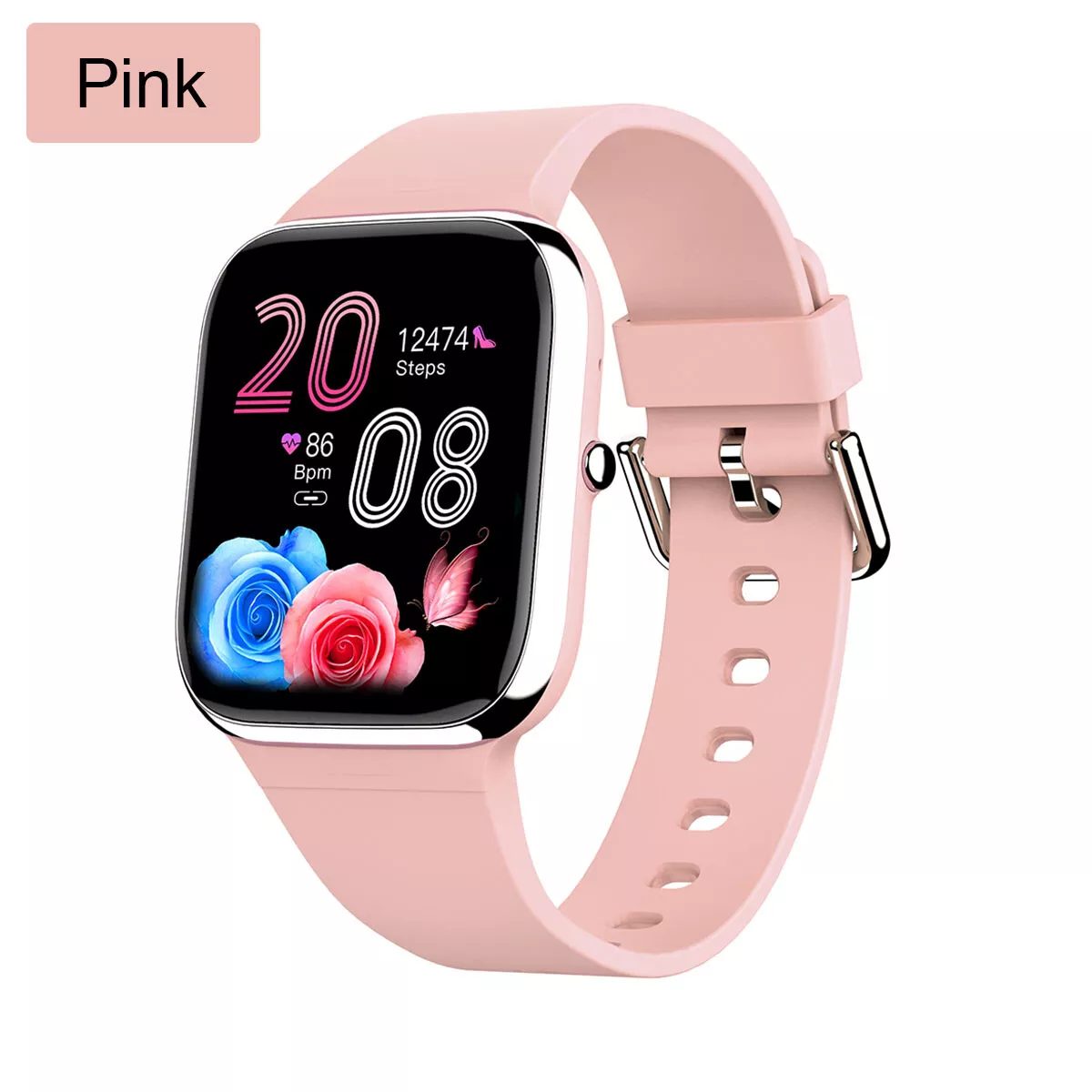
The shift is subtle. A £179.99 tracker starts as a step counter, then becomes a sleep judge, then a readiness score you check before deciding if you feel human. TechRadar reported on 27 August 2026 that a new jewellery-style tracker band had launched as another way to close gaps in continuous tracking. That matters because the selling point is no longer “measure a workout”; it is “leave no unmeasured minute”. Screenless designs make that easier. They look less like gadgets and more like commitment jewellery, which is clever, but it also makes removal feel like failure. In a rented flat with narrow stairs, one more device asking for attention is still one more device, even if it has no glowing face.
Isn’t continuous health data genuinely useful?
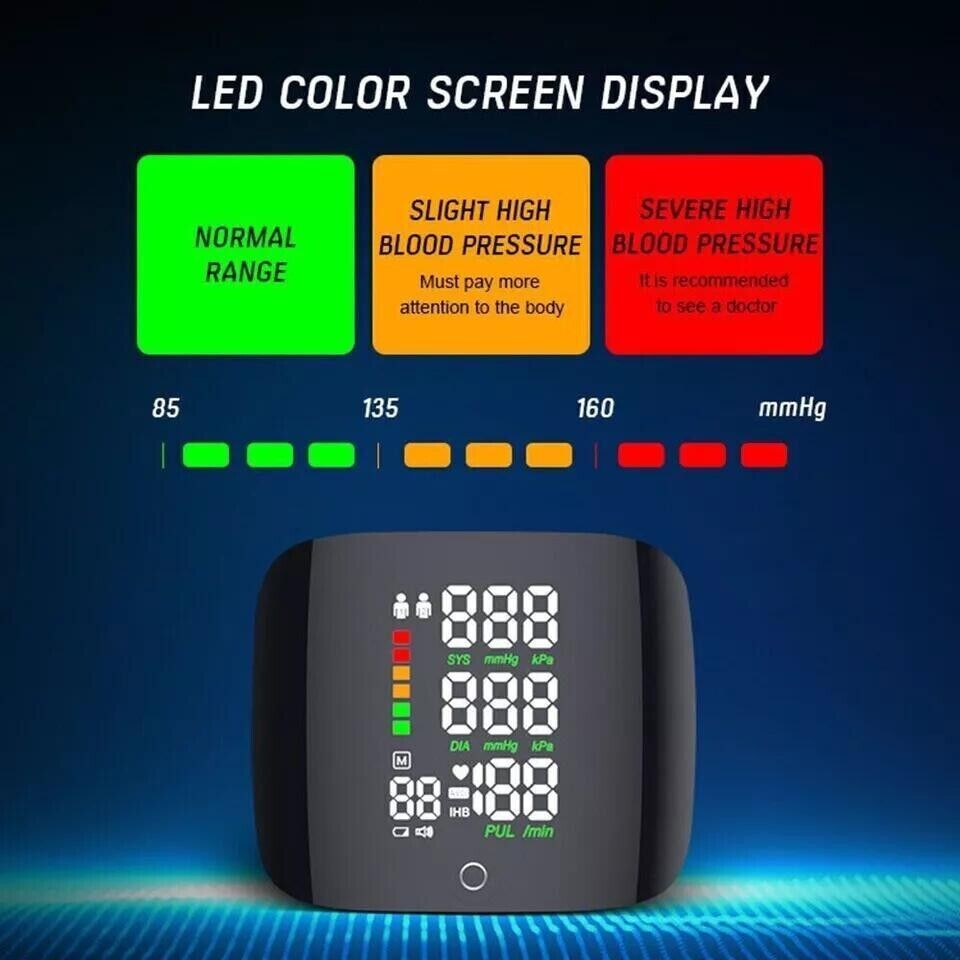
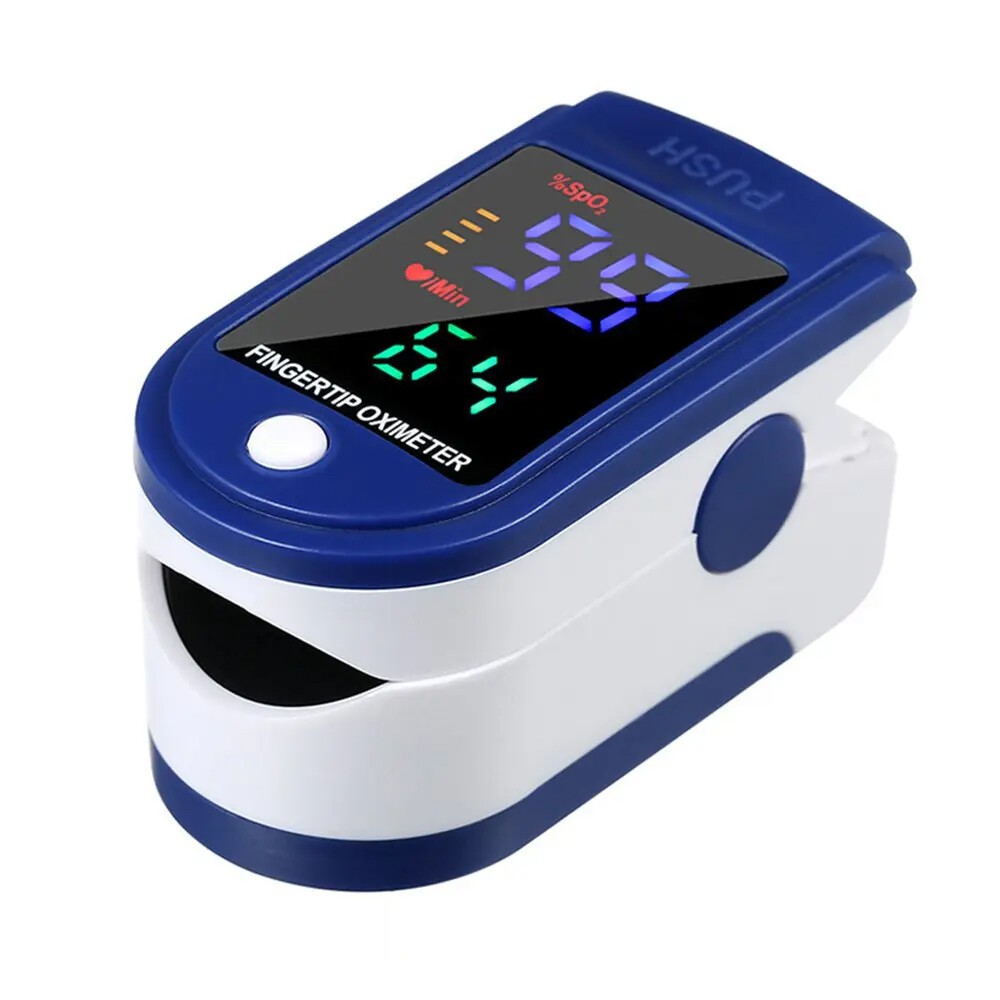
Yes, sometimes. This is the strongest counterargument, and it is a decent one. If you are training for a marathon, managing fatigue, recovering from a virus, or trying to spot patterns in sleep and resting heart rate, a week or two of full-day data can be informative. Some people also find that alerts push them to walk after long desk hours. The problem is pretending that useful data must be permanent data. For specific concerns, home health monitoring can be more intentional: a blood pressure cuff used for five minutes, or a finger pulse oximeter used during a particular illness, does not follow you into every argument, kip and cup of tea. Temporary measurement is often enough.
Why do jewellery-style and AI trackers raise the stakes?
The new promise is not only tracking; it is interpretation. AI health features claim to spot trends, explain strain and make sense of messy bodies. That sounds helpful until the kitchen becomes a dashboard. A jewellery-style band is designed to be worn at work, in bed, in the shower and at dinner. The maker’s own 31 August 2026 article described one such band as a visible expression of commitment to understanding and improving health, while its support material also says it contains strong magnets that may interfere with pacemakers, ICDs and other implanted or body-worn medical devices. That caveat is a proper reminder: a health object is still an object, with risks, limits and a place it does not belong.
What household rules make all-day tracking healthier?
Start with time limits. Wear it overnight for 14 nights if you are testing bedtime, caffeine or a new mattress; then stop and see what you learned. Set a no-score-before-breakfast rule, especially if one bad sleep rating turns you into a misery. Keep charging outside the bedroom twice a week, preferably somewhere dull like the hallway socket with the BS 1363 plug by the hoover. Agree that nobody comments on another person’s steps, weight, cycle data or sleep unless invited. For children and teens, the bar should be higher: no tracker should make them think a normal body is a dodgy body. If a device is causing rows, the data is not neutral.
What does the backlash tell us?
The backlash is not anti-health; it is anti-being permanently measured. The Guardian’s June 2026 column on wearable fatigue cited YouGov ownership as steady at 35% of Britons, which suggests trackers are normal but not universally loved. That 35% figure is interesting because it shows a mature category, not a novelty. People have had enough time to learn the upside and the faff. The emerging resistance is not about smashing the watch with a rolling pin. It is about saying: I can go for a walk without logging it, sleep badly without being scored, and still be a responsible adult. That is not denial. It is proportion.
Related questions
Should I wear my fitness tracker while sleeping?
Wear a fitness tracker while sleeping only if you are trying to learn something specific, such as whether late caffeine, alcohol or bedtime affects your rest. Two weeks is usually a sensible test window. If you wake up anxious about the score, charge it outside the bedroom instead.
Can wearing a fitness tracker all day make health anxiety worse?
Yes, all-day fitness tracking can make health anxiety worse for some people because it turns normal body variation into a stream of alerts and scores. Resting heart rate, sleep stages and recovery estimates move for ordinary reasons. If you check the app repeatedly, set stricter limits.
Are screenless fitness trackers better for boundaries?
Screenless fitness trackers can reduce wrist-level distractions, but they do not automatically fix boundaries. The app, score and habit loop still exist. They may even make constant wear easier because the device looks like jewellery and feels less intrusive during work, sleep or family time.
What is a sensible rule for wearing a tracker in a UK household?
A sensible household rule is to track for a purpose, not as a default. Use it for workouts, a short sleep experiment or a health pattern you are discussing with a professional. Keep meals, bedrooms or the first 30 minutes after waking free from app checking.
Is a fitness tracker a medical device?
Most consumer fitness trackers are not a substitute for medical equipment or clinical advice. They can show trends, but they should not replace a proper blood pressure monitor, thermometer or pulse oximeter when those measurements are needed. If readings worry you, speak to a pharmacist, GP or NHS 111.
Should children wear fitness trackers all day?
Children generally should not wear fitness trackers all day unless there is a clear, agreed reason. Step targets and sleep scores can make movement feel like surveillance. For most families, outdoor play, sport, walking to school and decent bedtime habits matter more than a daily dashboard.
My rule is simple: if a tracker earns its place, it can stay; if it starts running the morning, it goes in the drawer. Use one like a tool, not a witness. Track the fortnight that answers your question, take it off for ordinary life, and let your body have a few unrecorded hours. You are allowed to be well without producing evidence.
Villalta Home Editorial is the in-house byline used for buying guides and product roundups on villaltaco.uk. Each guide is written by the editorial team, drawing on the catalogue's measurable data — real dimensions, materials, UK use cases, price bands — and on hands-on research into how products actually perform in UK homes. Every post tagged with this byline is reviewed and approved by Juan Antonio Villalta Pacheco, the founder and editor, before it goes live. See our editorial standards for the full process.