Fitness Trackers Are Turning Health Data Into Rent
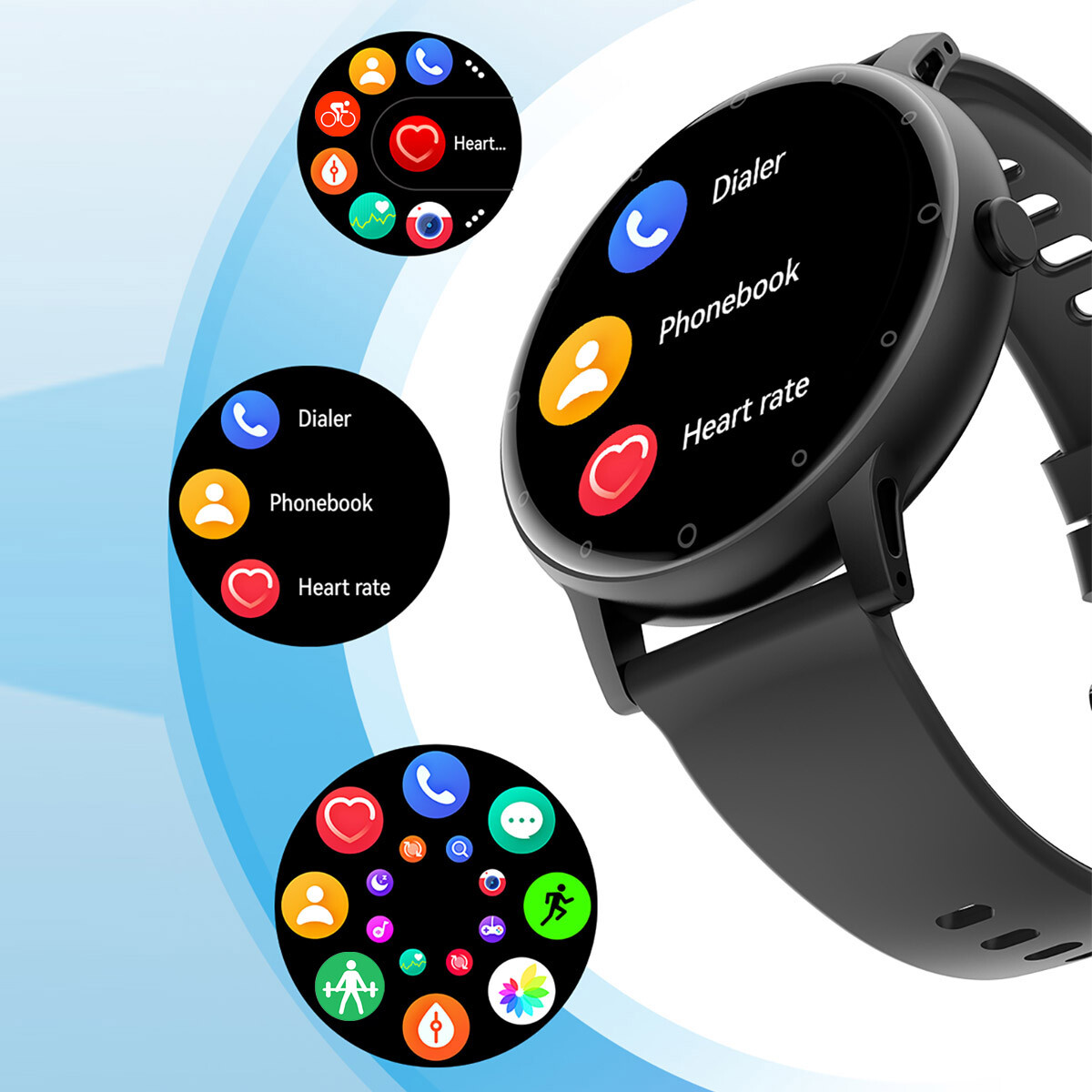
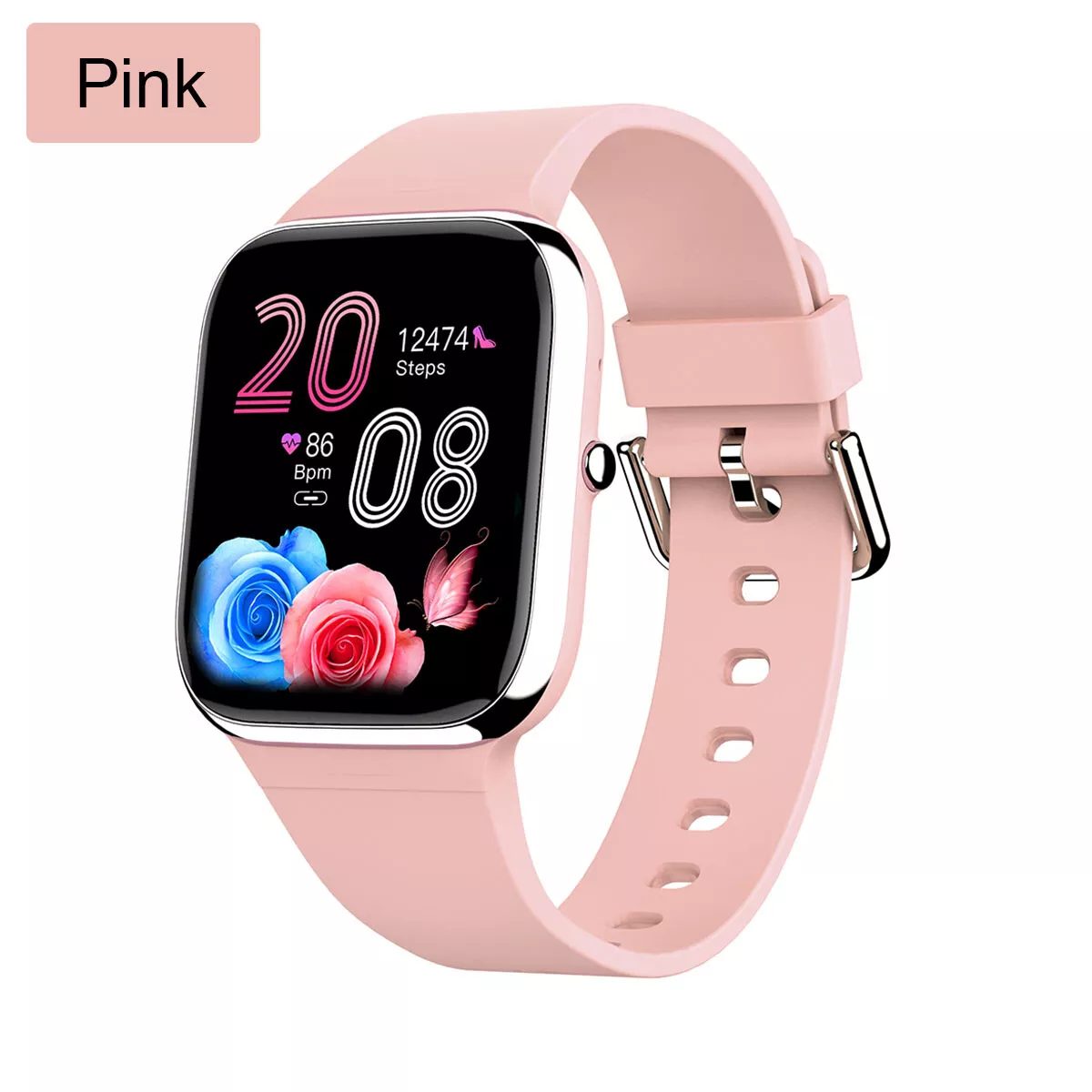
At 8:15 on a wet Tuesday, I watched a friend stand in the 72 cm hallway of her rented flat in Walthamstow, trainer half-tied, trying to work out why her £139.99 tracker would show last night’s sleep duration but not the useful bit: what to do with it. The answer was a monthly plan. That is the faff with fitness trackers in 2026. The sensors are no longer the whole story; the interpretation layer is where the money is. This roundup looks at the best fitness tracker without subscription UK 2026 buyers can realistically choose, and where paying for health data starts to feel like renting your own body back.
How I’m thinking about this
I’m less interested in whether a wristband can count 8,000 steps on the school run and more interested in what happens after month six. Sleep stages, readiness scores, recovery advice and training load are the features people actually change behaviour for, and they’re increasingly treated like premium content. A cheap launch price can look daft once you add £7.99 a month for three years.
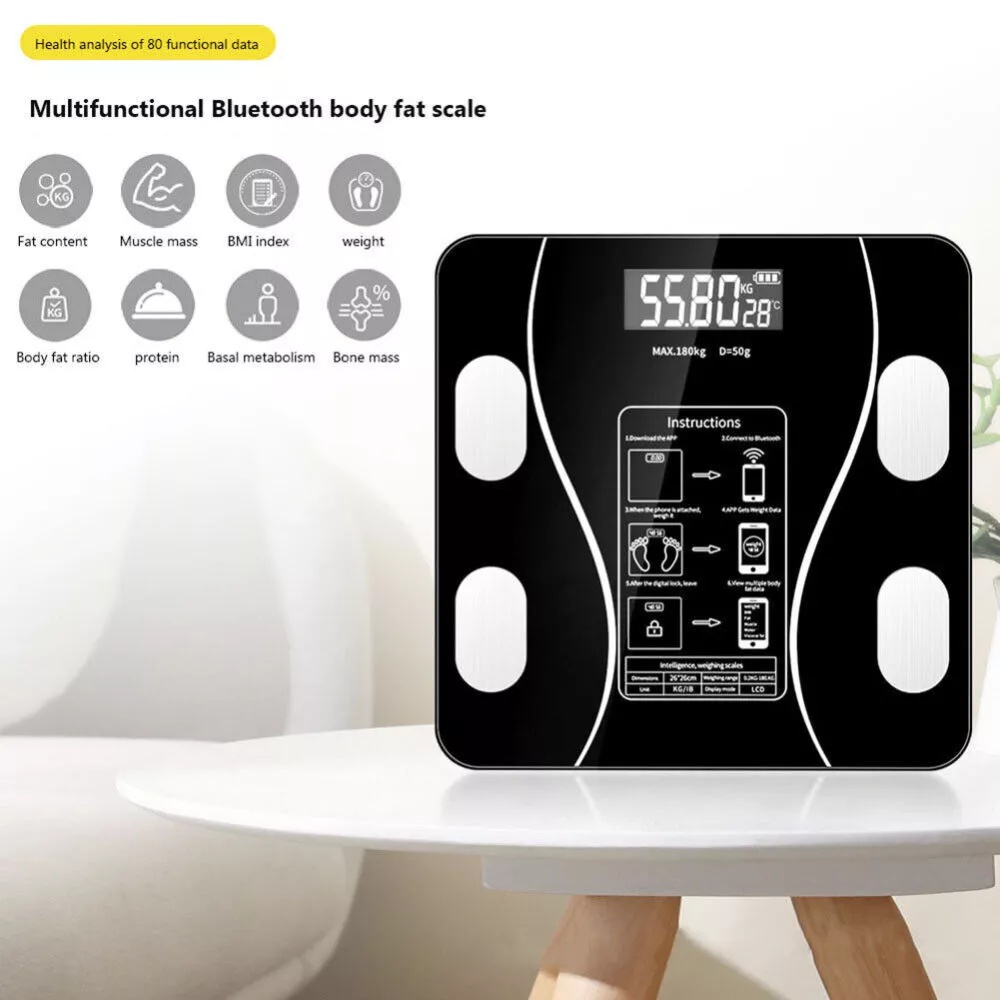
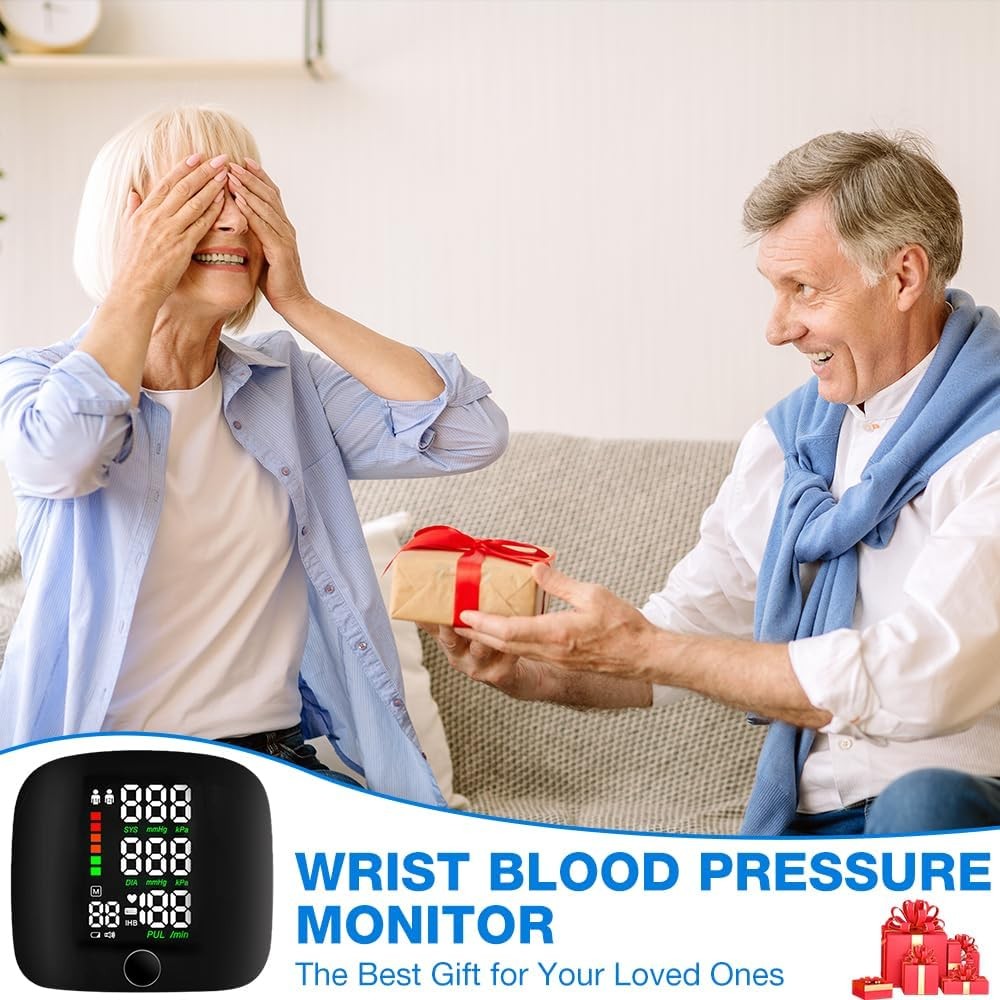
For this piece, I’ve looked at UK pricing, app access, battery life, comfort in normal homes and whether the device still feels useful if you refuse the subscription. This sits in our wider health monitoring coverage because a tracker is only one part of the picture; if you’re watching blood pressure or weight trends, a proper cuff such as a portable digital blood pressure monitor or a Bluetooth body fat scale gives different, often more actionable, data.
Sharp caveat: no wrist tracker should be treated as a medical device. If your resting heart rate, blood pressure or symptoms worry you, use a validated monitor and speak to a clinician rather than letting an app’s recovery score soothe you.
Best no-subscription pick — Garmin Vivosmart 5 · £129.99
The Garmin Vivosmart 5 is the tracker I’d buy for someone who wants useful health trends without a monthly bill. Garmin Connect keeps Body Battery, stress tracking, sleep score, respiration, heart-rate trends and basic workout data outside a paywall. That matters. Over three years, the app cost is £0.00, so the £129.99 price is close to the real price.
It is not a glamorous bit of kit. The OLED display is a narrow 10.5 x 18.5 mm, the small/medium band fits wrists from 122-188 mm, and it weighs about 24.5 g. There’s no built-in GPS, so runners need a phone in a pocket, which is annoying if your leggings have those tiny decorative pockets that hold precisely one key and a grudge. Battery life is up to seven days, though pulse ox tracking knocks that down. The trade-off is plain hardware for decent, non-rented interpretation.
Best cheap band with no compulsory fee — Huawei Band 9 · £49.99
The Huawei Band 9 is the savvy budget option if you mainly care about sleep, steps, heart rate and a screen you can actually read. It has a 1.47-inch AMOLED display, is 8.99 mm thick, weighs roughly 14 g without the strap and claims up to 14 days of battery life. Huawei’s TruSleep reporting is surprisingly useful for the price, and there isn’t a compulsory subscription sitting between you and the basics.
The catch is the ecosystem. On some Android phones, installing Huawei Health can involve AppGallery rather than the tidy Google Play route, and that’s a bit of a faff if you are setting it up for a parent or anyone who just wants it sorted. Contactless payment support is patchy in the UK, and the coaching layer is less persuasive than Garmin’s. Still, at £49.99, the three-year cost remains £49.99 if you ignore optional extras.
Best ultra-budget tracker — Xiaomi Smart Band 9 · £34.99
Xiaomi’s Smart Band 9 is the one for the spare-room treadmill, the Manchester new-build gym, or anyone who wants a cheap nudge to move without signing up to another direct debit. It has a 1.62-inch AMOLED screen, weighs about 15.8 g without the strap and can stretch towards 21 days of battery life in light use. Mi Fitness gives you the usual steps, heart rate, SpO2, sleep and workout logs without a mandatory fee.
The price tells. There is no built-in GPS, recovery guidance is thin, and the app can feel like a cupboard full of useful bits with no proper shelf system. Sleep data is fine for spotting patterns, less convincing if you want a serious readiness call before a 10 km run. For £34.99, though, it’s hard to be too sniffy. The important thing is knowing it is a data collector first and a coach second.
Best for iPhone households — Apple Watch SE, 40 mm GPS · £219.00
If your home already has iPhones, BS 1363 plugs full of Apple chargers and at least one white cable living permanently behind the sofa, the Apple Watch SE is the cleanest no-subscription smartwatch pick. The 40 mm GPS model starts at £219.00, gives heart-rate alerts, activity rings, fall detection, sleep stages and a broad app ecosystem without charging extra for its core health view.
The downside is battery life. Apple rates it at up to 18 hours, which means you’ll be charging it daily unless you’re unusually disciplined. It also lacks the native recovery and readiness language that Garmin and Oura lean into, so keen runners may want third-party apps. And it is iPhone-only; Android households should walk away. The health data is accessible, but the ownership lock-in is hardware, not a monthly app fee.
Best if you accept the rent — Oura Ring 4 · £349.00 plus £5.99/month
Oura is the awkward one because the product is genuinely good. The Ring 4 starts at £349.00, weighs roughly 3.3-5.2 g depending on size, and lasts up to eight days. It is brilliant for people who hate sleeping in watches, and its readiness, temperature trend and sleep presentation are among the clearest you’ll see. In a Victorian terrace where bedside sockets are scarce, a week-long battery is a proper advantage.
But this is the clearest example of health data becoming rent. After the first included month, the membership is £5.99 a month, so keeping it for the rest of a three-year period adds £209.65. Your real three-year cost is £558.65 before you’ve bought a replacement charger or decided the polished finish looks scratched from lifting weights. Without membership, the ring is much less interesting. Buy it for sleep and recovery if you accept that bargain; don’t pretend it’s cheap.
Best mainstream tracker to question hard — Fitbit Charge 6 · £139.99
The Fitbit Charge 6 is a lovely object to wear: slim, familiar, water resistant to 50 m and packed with sensors including ECG, EDA stress scanning and built-in GPS. It costs £139.99 and the battery is rated up to seven days. If you want something your less techy relative can recognise and use, Fitbit still has a softer landing than most rivals.
The issue is the split between data and interpretation. Fitbit Premium is £7.99 a month or £79.99 a year, and the most useful coaching, deeper sleep context and longer-form insights are where the paid layer starts to bite. If you keep Premium for 30 months after a six-month trial, that is £239.70 on top, making the three-year cost £379.69. The Charge 6 is decent without Premium, but it is designed to make the paid version feel like the real one.
What is the best fitness tracker without subscription in the UK for 2026?
The Garmin Vivosmart 5 is the best all-round fitness tracker without a subscription for most UK buyers in 2026. It keeps useful health features such as Body Battery, sleep score, stress and trends inside the free Garmin Connect app, rather than charging monthly for the interpretation.
Do I need to pay a subscription for a fitness tracker to be useful?
No, a fitness tracker can be useful without a subscription if it shows trends clearly and keeps sleep, heart rate and recovery data accessible. Garmin, Huawei and Xiaomi are stronger no-fee choices, while Oura and Fitbit put more of the coaching experience behind paid plans.
Is Fitbit Charge 6 worth buying without Premium?
The Fitbit Charge 6 is still usable without Premium, but it feels less complete. You get activity tracking, heart-rate data and many core features, yet the richer sleep context and coaching are designed to pull you towards the £7.99 monthly plan.
Which tracker has the lowest real three-year cost?
The Xiaomi Smart Band 9 has the lowest real three-year cost if you avoid optional services, because its upfront price is £34.99 and the app basics are free. The trade-off is weaker coaching and no built-in GPS.
Is Oura Ring better than a wrist fitness tracker for sleep?
Oura Ring is often better for sleep comfort because it is lighter to wear overnight than a watch. The problem is cost: the Ring 4 starts at £349.00 and its useful insights rely on a £5.99 monthly membership after the first included month.
How should I compare fitness trackers before buying?
Compare the three-year cost, not just the shelf price. Add any monthly plan, check which sleep and recovery features remain free, then decide whether you are paying for hardware you own or renting the interpretation layer.
If I were buying one tracker for a small UK flat, daily walks and a bit of gym work, I’d pick the Garmin Vivosmart 5. It is not pretty, but it gives you the useful health read without a subscription nibbling away for three years. If money is tight, get the Huawei Band 9. If sleep is your obsession and you’re comfortable paying rent on the insight layer, Oura is the indulgent upgrade.
Villalta Home Editorial is the in-house byline used for buying guides and product roundups on villaltaco.uk. Each guide is written by the editorial team, drawing on the catalogue's measurable data — real dimensions, materials, UK use cases, price bands — and on hands-on research into how products actually perform in UK homes. Every post tagged with this byline is reviewed and approved by Juan Antonio Villalta Pacheco, the founder and editor, before it goes live. See our editorial standards for the full process.