The sofa argument in my own house started in a 3.35 m by 3.10 m living room, the sort you get in a Victorian terrace where the front door opens straight into a narrow hall and the chimney breast steals the best wall. A 285 cm L-shaped sectional looked glorious on a website. In the room, taped out on the floor with masking tape, it left 48 cm between the chaise and the coffee table. That is not living; that is sideways shuffling with tea. This is the fight: one big sectional versus a smaller sofa scheme that lets the room breathe. For most small UK living rooms in 2026, the room that breathes wins.
Here is the falsifiable bit: the best sofa for small UK living room 2026 is not a sectional, but a compact two- or three-seater with at least 70 cm of clear circulation and one movable seat. You can disagree with it, but measure your room first.
The case for one big sectional
The sectional dream is easy to understand. It says: one proper piece, no fiddling, everyone gets a corner, the room knows what it is for. In a boxy Manchester new-build living room of 4.5 m by 3.8 m, with the TV on the long wall and no chimney breast, a 260 cm to 300 cm sectional can make sense. You get a sprawled-out seat for the 8:15 pm kip, a shared landing pad for children, and fewer loose chairs migrating around the room like supermarket trolleys.
Comfort-led interiors are not a silly trend, either. Homes & Gardens’ May 2026 living room trends piece pointed to liveable comfort and personality-led schemes, with daybeds even being used as sofa alternatives. That mood is real. People are tired of show-home rooms that look composed for guests but punish the person who actually lives there.
A sectional also solves a common layout anxiety: it anchors the room. If your living room is open to a kitchen-diner, one L-shaped sofa can create a boundary without a wall. In a larger flat, it can feel calmer than a chopped-up arrangement of a sofa, two chairs and a side table.
The trade-off is size, and it is brutal in older UK housing. Many sectionals run 90 cm to 105 cm deep, before you add a coffee table. A chaise section can be 150 cm to 170 cm long. If your room is 3.2 m wide, you can quickly lose the walking route from door to window, or block the radiator you still need in February. Modular sectionals are often sold as flexible, but that flexibility is partly marketing once the pieces are clipped together and the only empty wall has a double socket, a radiator and a door swing fighting for it. Budget is not gentle either: credible sectionals commonly sit from £899.00 to £1,899.00, before you start looking at upgraded fabrics.
The case for a room that breathes
A breathing room is not anti-comfort. It is anti-bulk. The basic formula is a 150 cm to 190 cm sofa, a movable armchair or daybed, and furniture that does more than squat in the middle of the floor. In a small UK living room, that usually beats the big L-shape because it protects the routes people use without thinking: door to sofa, sofa to window, sofa to kitchen, sofa to the cupboard where the broadband router has somehow ended up.
Apartment Therapy’s January 2026 warning about living room trends that make spaces look smaller got the scale point right: oversized furniture can swallow a room, while underscaled pieces can also look mean. That is the trick. The answer is not a tiny apology of a sofa. It is a correctly scaled main seat with air around it.
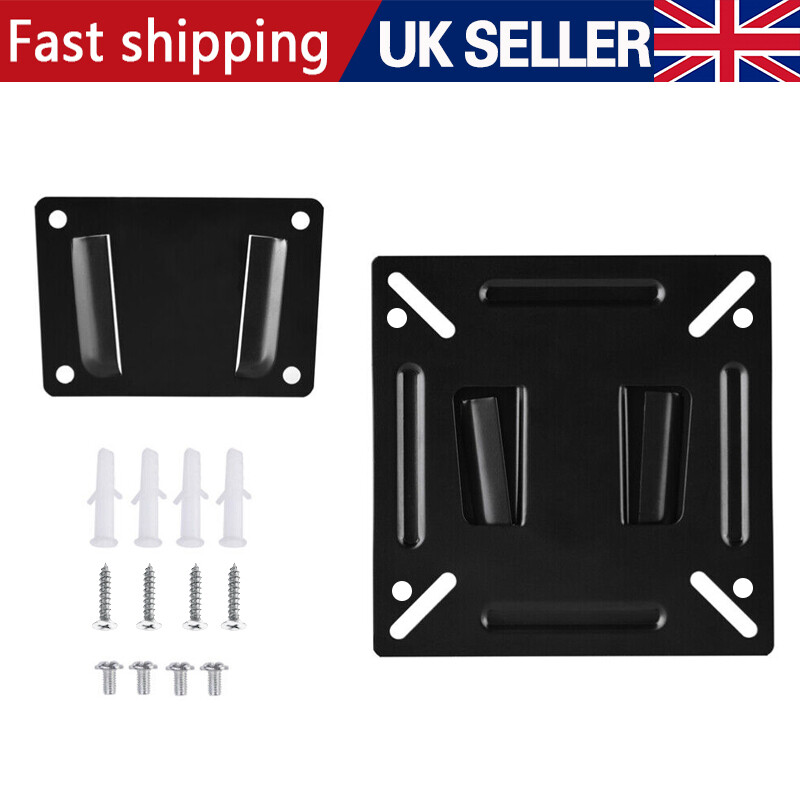
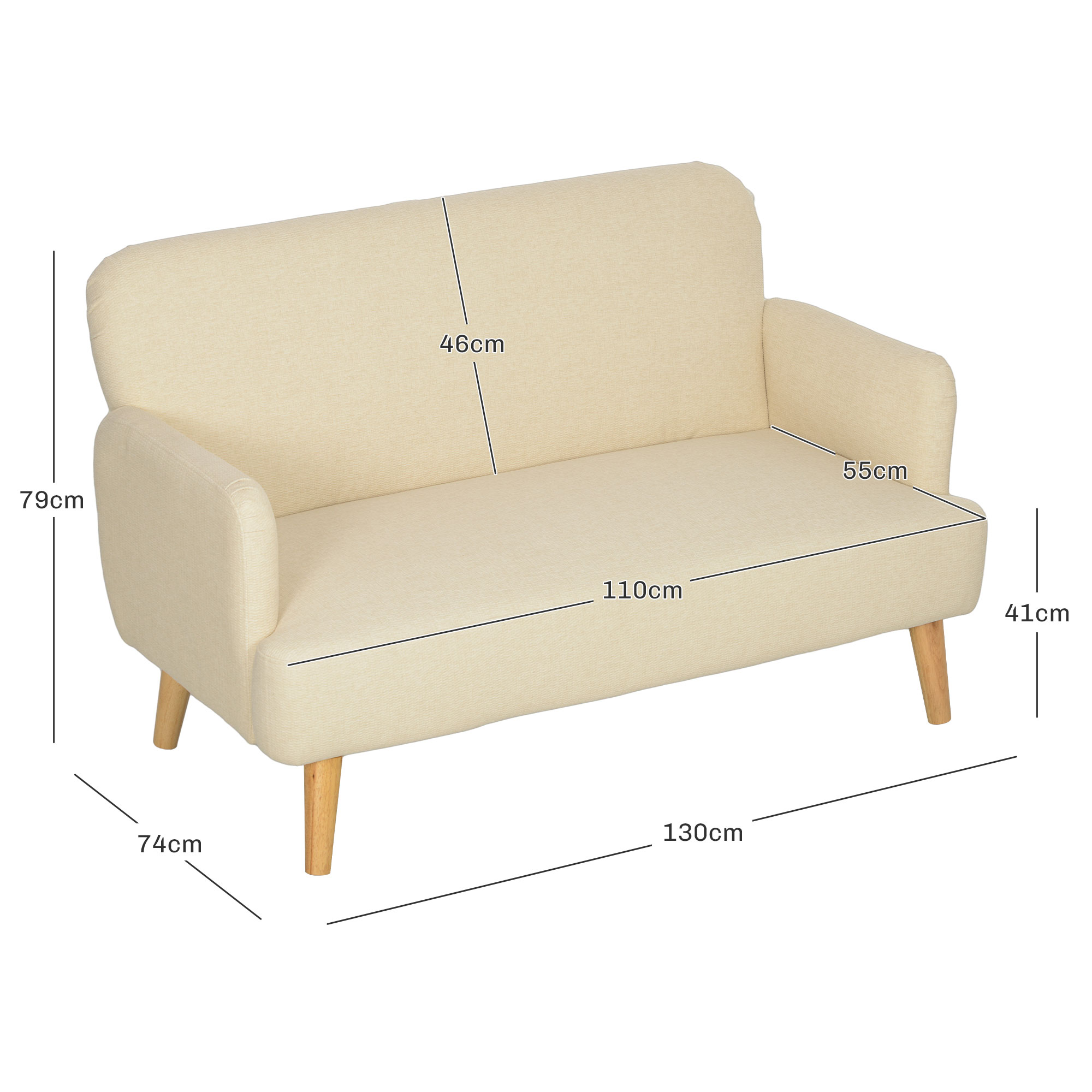
A compact two-seater, such as a 150 cm cream woven fabric sofa in the living room furniture category, is a useful mental benchmark. It will not seat five adults for Christmas telly. It will, though, leave space for a side chair, a nest of tables and a child’s plastic scooter without turning the floor into an obstacle course. A set of square nesting coffee tables can be pulled out for mugs and pushed back before the school run. Wall-mounting a smaller TV on a proper bracket can save another 35 cm to 45 cm compared with a deep media unit, though cables need tidying or the whole thing looks dodgy.
This layout also suits the way rooms now work. The living room is no longer just TV and visitors. It is homework, laptop work, laundry sorting, gaming, parcel opening, and occasionally an overnight guest on a daybed. A sectional gives you one dominant mode: lounging. A breathing room gives you options. There is more faff in choosing separate pieces, but the payoff is a room that can change between Tuesday morning and Saturday night.
The honest trade-off
The sectional’s strongest argument is emotional: it feels generous. A smaller sofa scheme can feel a bit deliberate until you get the proportions right. Nobody wants to perch in a room that has been optimised like a train carriage. You may need to spend £129.00 to £249.00 on a decent accent chair, and you will probably need a floor lamp because the chair will not sit exactly where the old ceiling pendant is useful.
The breathing-room scheme gives up the cinematic heap of bodies. Two adults can stretch out only if one takes the chair or daybed. The sectional gives up movement, sight lines and adaptability. It also makes mistakes expensive: a 295 cm sofa that cannot turn on narrow stairs is not a design problem, it is a Saturday ruined by a return collection and a scratched bannister.
In a small British living room, comfort is not measured by how much sofa you can cram in; it is measured by how little the sofa bullies the room.
The Reddit thread in r/InteriorDesignMasters from May 2026 was grumbling about TV interiors obsessing over styling and crafting instead of flow and function. That complaint lands here. A room can photograph beautifully and still be annoying to live in.
Which to pick by use case
Rented flat under 60 m², landlord will not allow drilling: pick the room that breathes. Choose a compact sofa, a freestanding lamp and nesting tables. Keep 70 cm clear from door to seat if you can. You will thank yourself on council recycling collection day when boxes need to pass through.
Victorian terrace front room with chimney breast and alcoves: pick the room that breathes. The alcoves already interrupt the wall. A sectional will usually fight the fireplace, the radiator or the bay window. A two- or three-seater facing a movable chair is far easier to balance.
Open-plan new-build living area wider than 4 m: pick the sectional. If you can float the sofa with 80 cm behind it and still reach the kitchen without squeezing, the L-shape can define the lounge zone cleanly.
Family TV room with children, no separate snug: pick the sectional. A durable modular sofa earns its keep where the room’s main job is shared lounging. Measure the stair turn, door width and lift before ordering; a 78 cm hallway can end the dream quickly.
Studio flat used for work and guests: pick the room that breathes. A small sofa plus daybed or chair keeps a work corner possible. One huge sectional will make the bed, desk and TV feel like they are queuing for the same square metre.
FAQs
What is the best sofa size for a small UK living room?
For many small UK living rooms, a sofa between 150 cm and 190 cm wide is the safest starting point. Leave roughly 70 cm for main walking routes and at least 35 cm between sofa and coffee table, or daily life starts to feel cramped.
Are sectional sofas bad for small rooms?
They are not automatically bad, but most small British rooms cannot absorb their depth. If the chaise blocks a doorway, radiator, bay window or route to storage, the sectional is too dominant, however comfortable it looked online.
Can a small sofa still feel comfortable?
Yes, if the seat depth is sensible. Look for roughly 55 cm to 65 cm of usable seat depth, supportive cushions and arms that are not absurdly thick. A tiny sofa with 25 cm arms wastes space you could actually sit on.
Is a daybed a good alternative to a sectional?
In the right room, yes. The 2026 trend for daybeds as sofa alternatives makes sense because they add lounging without locking the whole layout into an L-shape. They need styling carefully, or they can look like a spare bed that missed its train.
How do I test a sofa layout before buying?
Tape the sofa footprint on the floor with masking tape, including the chaise if there is one. Walk the route from door to window, sit where you watch TV, open cupboards, and check plug access for BS 1363 plugs and chargers.
Should the coffee table go if the room is very small?
Often, yes. A nest of tables or a slim side table is usually savvier than a fixed coffee table in a room under 12 m². You still get somewhere for mugs, but the middle of the room can clear when needed.
Villalta Home Editorial is the in-house byline used for buying guides and product roundups on villaltaco.uk. Each guide is written by the editorial team, drawing on the catalogue's measurable data — real dimensions, materials, UK use cases, price bands — and on hands-on research into how products actually perform in UK homes. Every post tagged with this byline is reviewed and approved by Juan Antonio Villalta Pacheco, the founder and editor, before it goes live. See our editorial standards for the full process.