
In a Bristol rented flat I looked at last winter, the black line above the bath came back 12 days after a proper scrub. The room was 1.7 m by 2.1 m, the extractor sounded like a tired laptop fan, and the silicone behind the taps had lifted by about 3 mm. That is the bathroom mould keeps coming back silicone ventilation UK problem in one small, chilly room: the cleaning is being asked to do the job of drying, sealing and maintenance.
The short answer
Mould spray can clean a bathroom surface, but it cannot rescue a bathroom that no longer dries itself. If mould returns through silicone, along grout lines or around a fan that barely pulls air, the problem is usually failed sealant, trapped moisture or weak ventilation. My thesis is blunt: if a bathroom is still wet an hour after a shower, mould remover is compensating for a failed system, not solving the mould.
The longer answer
How do you tell the difference between dirty silicone and failed silicone?
Dirty silicone stains on the surface. Failed silicone lets moisture sit behind or under it. The difference matters because spray only touches what it can reach. If the black mark wipes paler after ten minutes, then returns as a shadow in the same crease, you may be looking at staining within the sealant or mould growing behind a lifted edge. Press gently near the bath or shower tray: if it flexes, peels or has a grey line underneath, it’s past cleaning. A common DIY forum pattern, seen in a r/HomeImprovementUK thread on 15 May 2026, is spray, then bleach-soaked tissue, then someone finally says: cut out the failed silicone and re-seal it. Annoying, yes. But often sorted for far longer than another Saturday of chemical faff.
Why does poor ventilation make mould come back so quickly?
Bathrooms are moisture factories. GOV.UK’s existing home ventilation guide, updated 24 March 2026, says showering, washing, cooking and even breathing add moisture indoors, and poor ventilation traps it. In a small bathroom after a hot shower, the mirror, ceiling corners and external wall can all become cold wet surfaces. If the extractor is weak, switched off too soon or venting into a loft instead of outside, the room stays damp. In Victorian terraces and converted flats, you often see the same setup: no openable window, a short overrun fan, and towels drying on the radiator. A decent extractor should keep working after you leave. If steam is still clinging to tiles 45 minutes later, spray has already lost the argument.
What is the role of cleaning, then?
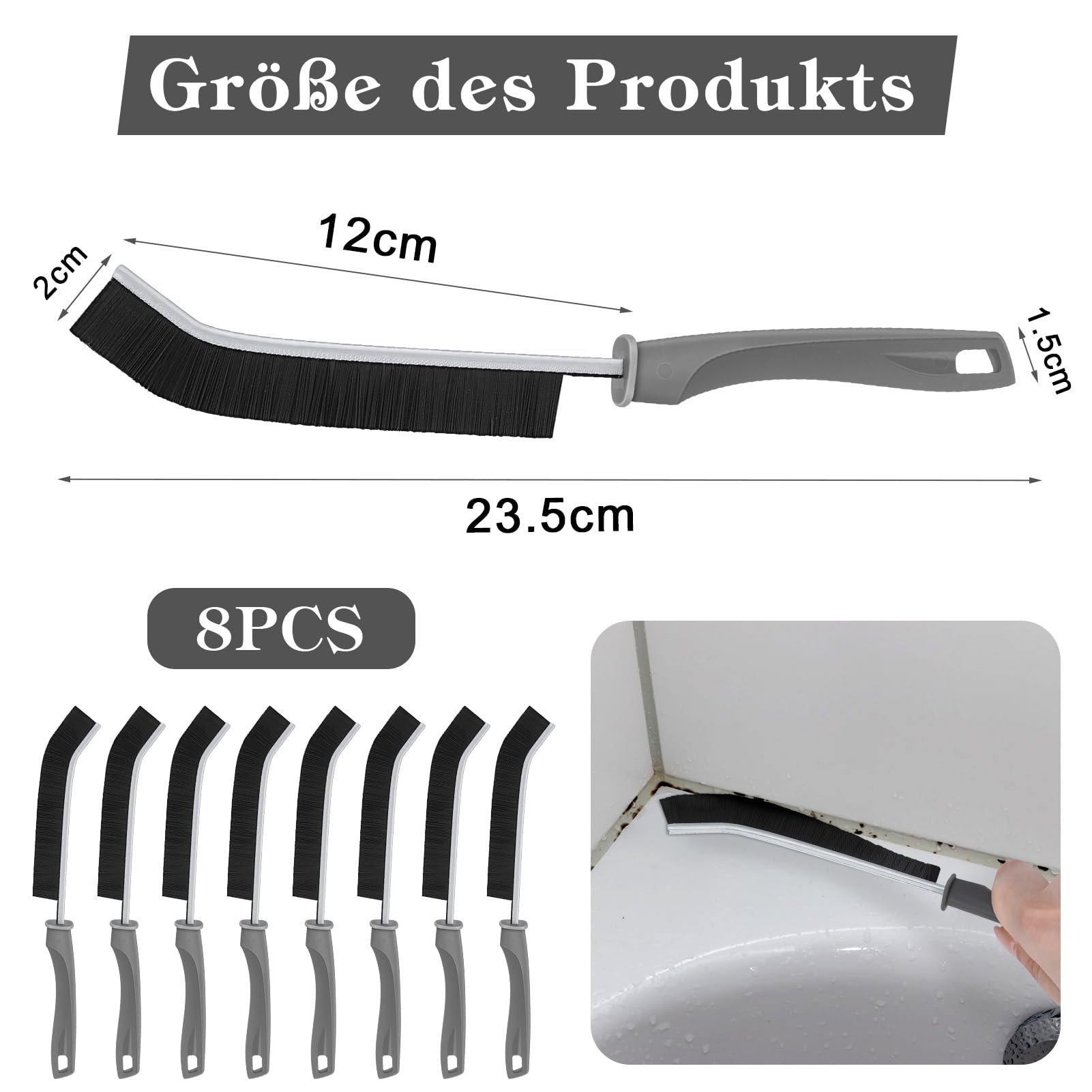
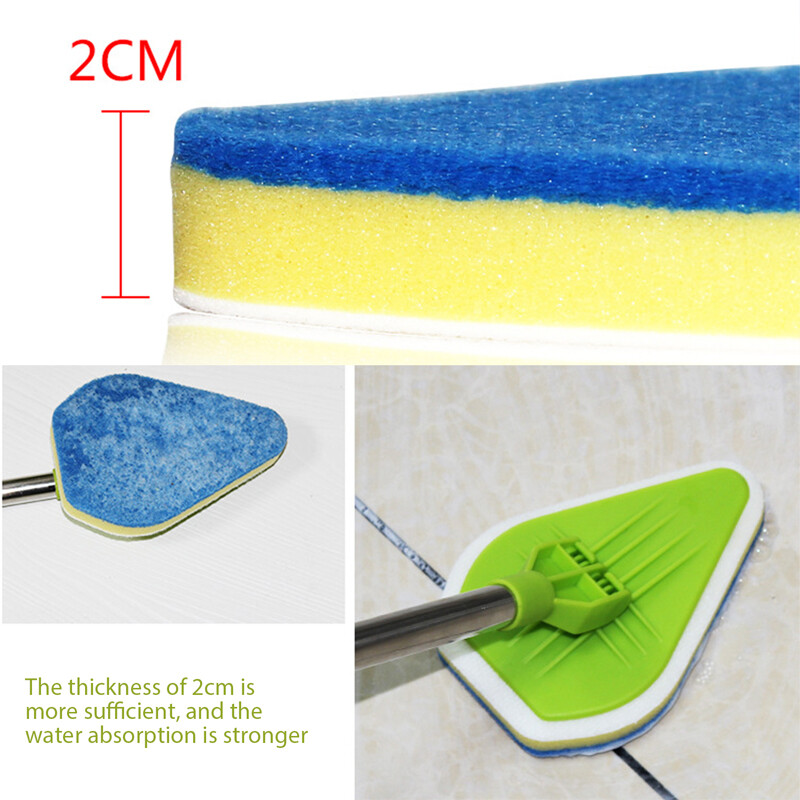
Cleaning still matters. Mould spores, soap film and body oils give new growth a foothold, so the bathroom does need regular surface work. A stiff detail brush can help around tap bases and shower screen tracks; a telescopic bathroom cleaning brush is useful if the ceiling above the shower is high or awkward. We’d rather see someone clean weekly with care than blast the same sealant every month until it yellows and cracks. For product browsing, our cleaning section is for tools that remove dirt; it is not a promise that a brush can cure a wet wall. Caveat: abrasive scrubbing can roughen old grout, and chlorine-based products can discolour some sealants. Gloves on, window open if you have one, and never mix cleaning chemicals.
Isn’t bleach or mould remover sometimes enough?
Yes, and this is the fair counterargument. If the mould is new, superficial and caused by a few weeks of missed wiping down, a mould remover may do the job. A bathroom used by one person, with a working fan and intact silicone, can often be brought back with one careful clean and better habits. The problem is pretending that result applies to a room with a cracked bath edge, blocked extractor grille or no airflow under the door. GOV.UK’s damp and mould guidance, updated 1 April 2026, puts the emphasis on repairing the source of water intrusion and addressing underlying moisture, not only removing visible mould. That is the line landlords, tenants and homeowners need to hold.
What should you check before buying another bottle?
Start with drying time. After a normal shower, note the time and check the mirror, ceiling corner and silicone after 30 and 60 minutes. Then hold a sheet of toilet tissue near the extractor; it should pull towards the grille, not hang there looking sad. Look at the silicone behind taps, along the shower tray and where vertical corners meet the bath. Any gaps over 1 mm are suspect. Check the door undercut too: many bathroom doors in UK flats have barely a 5 mm gap at the bottom, which restricts replacement air. If there is a drain smell or slow water pooling around the tray, hair in the waste may also be extending wet time; a 60 cm spring drain cleaner is sometimes more useful than another spray bottle.
Related questions
Why does mould keep coming back on bathroom silicone after cleaning?
It usually means the mould is not only sitting on the surface. The silicone may be stained internally, lifted at the edge or hiding moisture behind it. If the bead has gone black from underneath, cut it out fully, dry the joint properly and re-seal with sanitary silicone. Spraying the top will make it look better briefly.
Can tenants ask a landlord to fix bathroom mould ventilation in the UK?
Yes, tenants should report persistent mould, failed sealant, broken extractor fans and signs of damp in writing, with dated photos. Landlords are generally expected to deal with repair issues and underlying damp sources. Tenants still need to use provided ventilation and heat reasonably, but a fan that barely works is not a lifestyle problem.
How long should a bathroom extractor fan run after a shower?
A good fan usually needs to run for at least 15 to 30 minutes after showering, longer in cold weather or windowless rooms. If the room is still wet after an hour, the fan may be underpowered, blocked or badly ducted. A timer overrun is much less hassle than remembering the switch during the school run.
Should I replace black bathroom silicone or clean it?
Clean it if the mark is light, recent and clearly on the surface. Replace it if the silicone is peeling, cracked, soft, deeply black or letting water sit behind it. The old bead must be removed properly and the area dried before re-sealing, or the new line will fail early too.
Does opening a window stop bathroom mould?
It helps, but only if moisture actually leaves the room. A small top-opening window cracked for five minutes in February may not clear a steamy bathroom. Open the window wider during and after showering if practical, keep the door closed while steam clears, and use the extractor if fitted.
Can a dehumidifier fix bathroom mould?
A dehumidifier can reduce moisture in nearby rooms and help towels dry, especially in older homes, but it is rarely the main fix for a bathroom with failed silicone or a poor extractor. BS 1363 plugs and wet zones also need common sense: don’t park a domestic dehumidifier beside the bath.
The practical recommendation is simple: clean once, then investigate why the room is staying wet. If mould comes back in the same silicone line within a fortnight, stop treating it as a housekeeping failure. Photograph it, check the fan, inspect the sealant and press for repair where you’re renting. In your own place, budget for re-sealing and better extraction before spending another £6.99 on a bottle that can only ever clean the surface.