The real bargain behind robot vacuums in small UK flats
At 8:15 on a Tuesday, in a rented flat with a 70 cm hallway and one shoe rack doing the work of three cupboards, a robot vacuum can look less like a gadget and more like a small domestic gamble. Are robot vacuums worth it in UK flats if the floor is already half cable, half school-run debris? Yes for some homes. But the real question is whether you can live with the tidying they demand before they do any cleaning.
The short answer
Robot vacuums are worth it in UK flats only if your floors are usually clear, your furniture gives them space, and you have a sensible spot for the dock. They are poor value if your flat has toys, trailing chargers, loose rugs, pet bowls and minimal storage. The chore doesn’t vanish. It moves from vacuuming to preparing the room, emptying the bin, rescuing the robot and doing the bits it missed.
The longer answer
What chore does a robot vacuum actually remove?
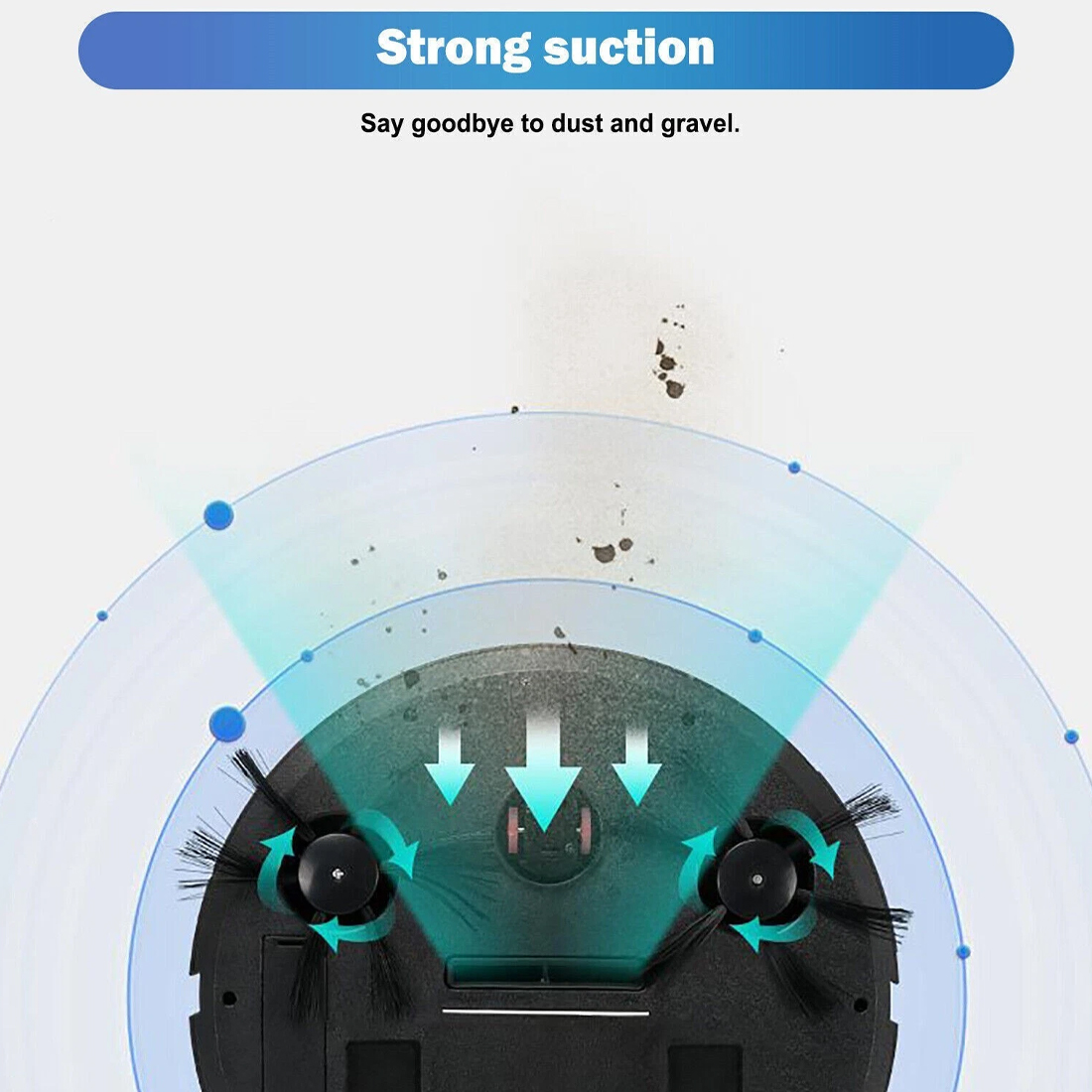
A robot vacuum removes the regular light pass over open floor. That’s useful. Crumbs under the dining table, hallway grit from the kerb, cat hair on laminate: it can keep those from building into a proper weekend job. The marketing faff starts with the word hands-free. In a small flat, you often need to lift the bath mat, move the dog bowl, tuck away the phone charger and check the rug fringe before pressing start. If you already do a five-minute reset each night, you’ll barely notice. If your sitting room is also the office, laundry zone and playroom, the robot becomes another thing asking for attention. My blunt thesis is this: in UK flats, robot vacuums are worth buying for tidy people who dislike vacuuming, not messy people who hope a machine will tidy for them.
Why do small UK flats make the bargain harder?
Space is the hidden cost. Ideal Home’s 1 May 2026 robot vacuum guide is positive about the category, and its editor says she has become a convert, but the better models come with docks, water tanks, dust bags and long charge times. That footprint matters in a one-bedroom flat. A dock may only occupy a patch of floor, but it needs clear space in front and a socket, usually a BS 1363 plug you were already using for a lamp or broadband kit. The AskUK vacuum thread from 22 May 2026 tells the same story from the other end: a poster wanted something compact because a traditional vacuum felt too massive for a one-bedroom flat with minimal storage. A robot vacuum doesn’t solve that storage problem if its dock sits permanently in your only decent corner.
Which homes suit robot vacuums brilliantly?
They shine in open-plan rooms with hard flooring, low thresholds and predictable clutter. Think a Manchester new-build with a kitchen-living room, a sofa on legs and not much in the way of rug tassels. They also help pet owners who need daily hair control but can’t face dragging out a cylinder vacuum every evening. If your robot runs at 10:30 after everyone has left, and the chairs are already up or spaced out, it can keep the place looking sorted. The cheaper end is not automatically silly either: Ideal Home’s 9 May 2026 article framed a £59.99 robot vacuum as a low-risk way to test whether robotic cleaning works for a household. That’s a fair point. Spending less to learn your habits is wiser than buying a dock the size of a bedside table and then hating the ritual.
What is the fair counterargument?
The counterargument is strong: people who own good robot vacuums often use them more often than they ever used a normal vacuum. That frequency changes the feel of a flat. Dust never gets its big dramatic moment. The hallway stays passable. Pet hair doesn’t gather into little tumbleweeds by Friday. For someone with back pain, a baby, shift work or narrow stairs down to a communal bin store, that daily automated clean is genuinely decent. I buy that. The catch is that the best experiences usually come from homes that have already been arranged for the robot. Cable clips. Raised furniture. Fewer loose textiles. A fixed docking place. Once you’ve built that system, the robot feels clever. Before that, it can feel like a needy hockey puck.
What will it still miss?
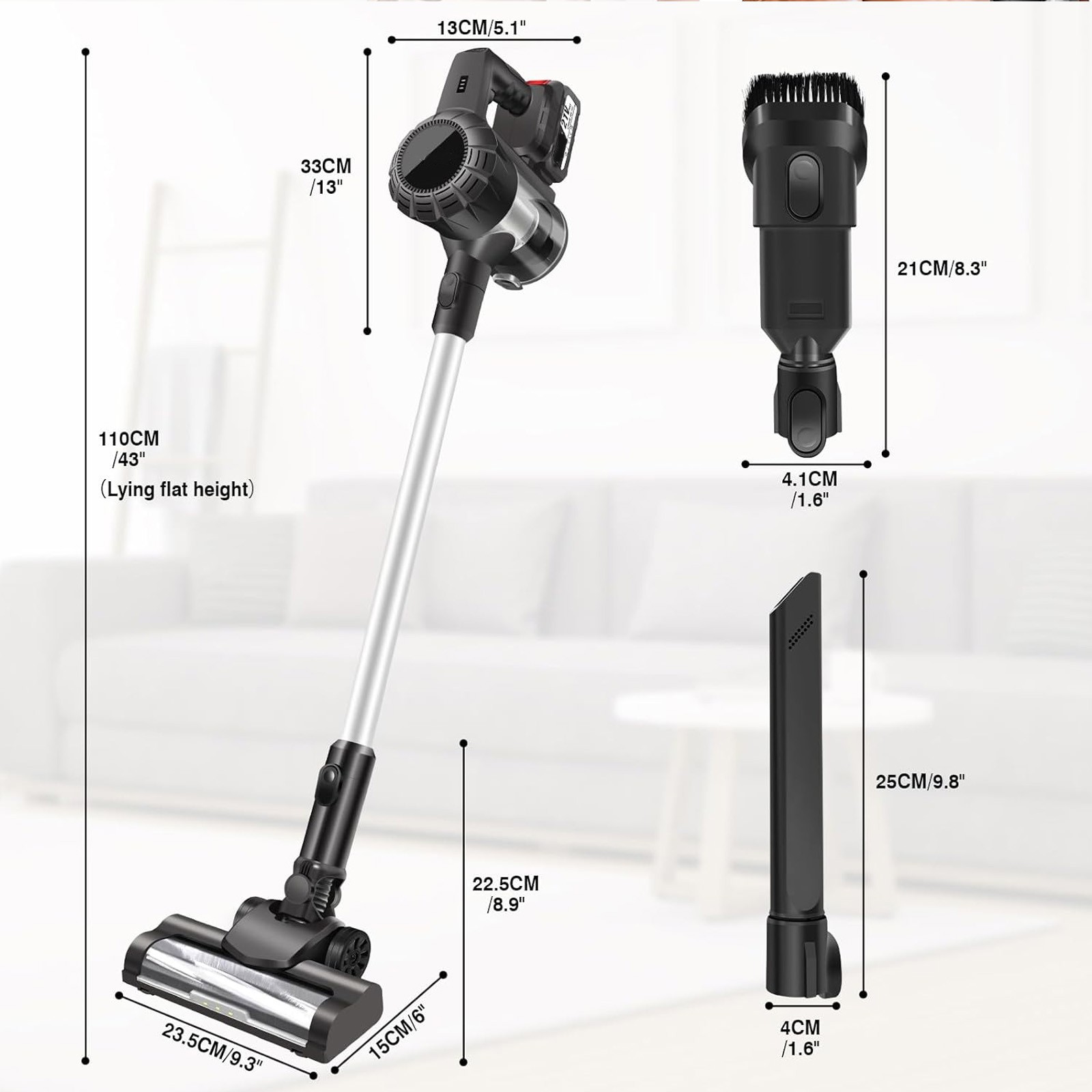
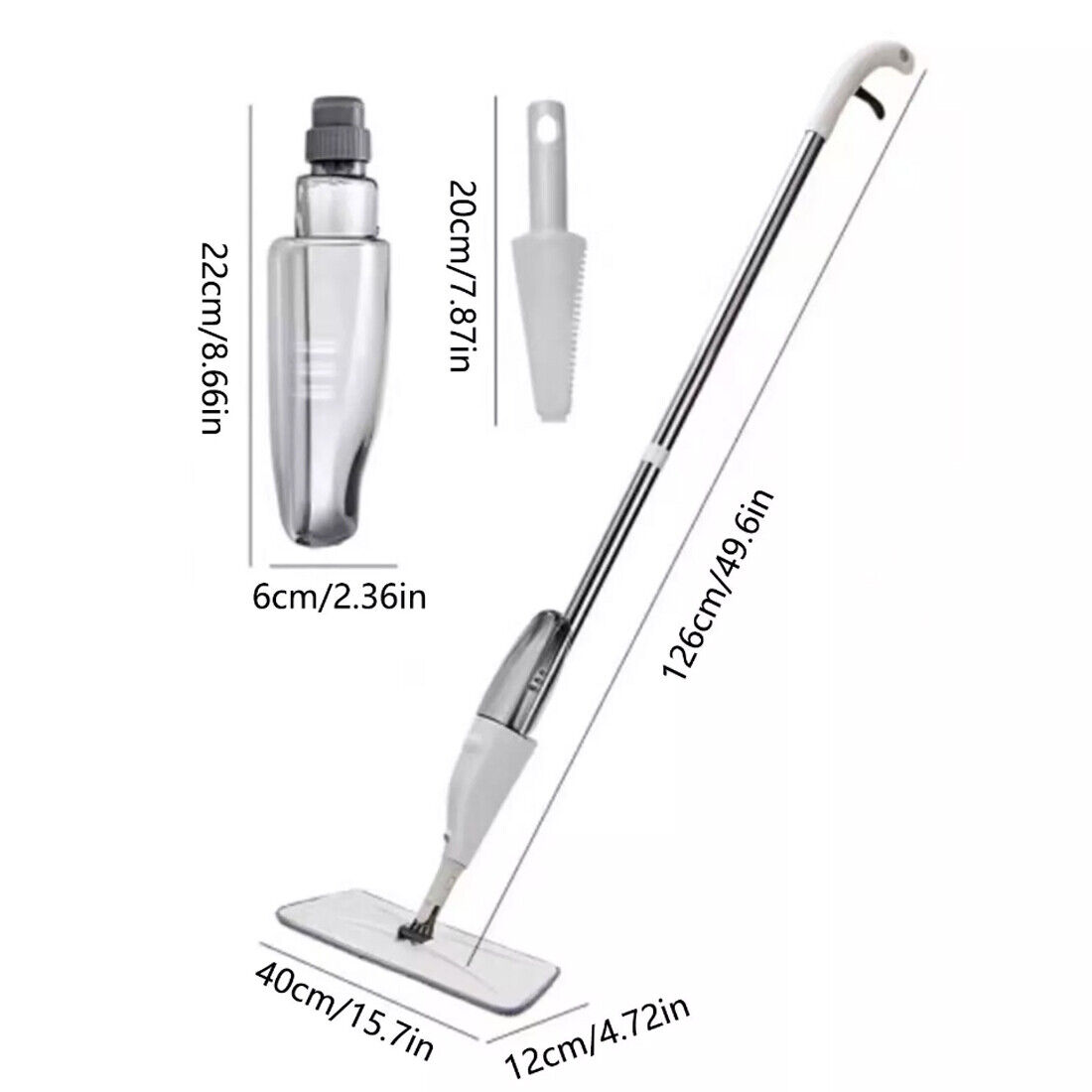
Edges, corners and stairs remain the dull truth. So do skirting boards, upholstery, deep rug pile and the crushed cereal wedged beside a chair leg. Robot vacuums are maintenance cleaners, not recovery cleaners. If your flat has a tight galley kitchen, a lip into the bathroom and a rug that curls by 12 mm at one corner, you’ll still want a proper tool for spot jobs. A cordless stick vacuum or a small handheld can be less glamorous but more useful for the car seat, sofa crumbs and the awkward strip behind the loo. Hard floors still need mopping when there are spills; a simple spray mop is often quicker than preparing a robot mop tank. Bulbs are not the issue here. Behaviour is.
Related questions
Are robot vacuums good for rented flats?
They can be, as long as you are allowed to leave the dock plugged in and you have a safe place for it. Rented flats often have mixed flooring, tight furniture layouts and limited sockets, so measure before buying. If the only dock spot blocks a cupboard door, you’ll resent it within a week.
Do robot vacuums work on rugs in small flats?
They work on some low-pile rugs, but loose edges, tassels and lightweight mats cause bother. A robot may climb onto a rug, drag a corner, then sulk until rescued. If your main living area relies on washable rugs and runners, expect to lift or tape edges before each run.
Is a robot vacuum better than a cordless vacuum for a one-bedroom flat?
For daily dust on open hard floors, the robot wins on frequency. For stairs, sofas, skirting edges and sudden mess, a cordless vacuum is usually more practical. Many one-bedroom flats are better served by one compact cordless vacuum than by a robot plus a dock with nowhere sensible to live.
Can robot vacuums cope with pet hair?
Yes, especially on hard floors, and that is one of their strongest uses. The caveat is maintenance: hair wraps around rollers, small bins fill quickly and pet bowls need moving. If your dog sheds heavily, a robot can reduce the baseline mess but it won’t replace a deeper weekly clean.
Are cheap robot vacuums worth trying?
A cheaper model can be a savvy test if you are unsure about the habit. The £59.99 example covered by Ideal Home in May 2026 makes sense as a trial of the category. Expect fewer clever mapping features and more manual rescue work, but it may prove whether your flat suits the idea.
Where should a robot vacuum dock go in a UK flat?
Put it against a wall with clear floor in front, near a socket you can spare permanently. Avoid the hallway pinch point, the bedroom door swing and the kitchen plinth where crumbs collect. If you cannot find a place that feels natural, that is useful buying advice: don’t force it.
The sensible answer is neither anti-robot nor gadget-happy. If your flat is mostly clear by bedtime, a robot vacuum can quietly keep the floors in shape and make the weekly clean lighter. If your home is a compact, overworked Victorian terrace flat with chargers, shoes and laundry living at floor level, buy with caution. You’re not buying freedom from cleaning. You’re buying a machine that rewards a tidy routine, and punishes a dodgy one.
Villalta Home Editorial is the in-house byline used for buying guides and product roundups on villaltaco.uk. Each guide is written by the editorial team, drawing on the catalogue's measurable data — real dimensions, materials, UK use cases, price bands — and on hands-on research into how products actually perform in UK homes. Every post tagged with this byline is reviewed and approved by Juan Antonio Villalta Pacheco, the founder and editor, before it goes live. See our editorial standards for the full process.
I rented in Stockwell for four years and the cleaning cupboard was a shelf above the boiler. Anything I bought had to look decent enough to leave out, because it lived out.