
The robot vacuum in my neighbour's Manchester new-build parks under a 70 cm console table, beside a tower of school shoes and a rogue PE bag. At 8:15, during the school-run rush, it either glides out like a smug little helper or eats a trainer lace and sulks. That is the real answer to are robot vacuums worth it UK 2026: the machine matters, but the home around it matters more. This is a cleaning question, yes, but it's also a habits question.
The short answer
Robot vacuums are worth it in the UK in 2026 for households that can keep most floors clear most days. They are not worth it if your rooms are permanently cluttered, your cables live on the floor, or you expect one machine to replace a proper vacuum. Our thesis is blunt: a robot vacuum earns its keep only if you accept a 10-minute floor reset twice a week.
The longer answer
What does a robot vacuum actually save you?
It saves repetition, not responsibility. In a 4 m x 3.5 m living room with hard flooring, a decent robot can collect the daily dust, crumbs and hair that make a room feel faintly grim by Thursday. That is valuable. The faff is that it cannot decide where the Lego box belongs, lift a charging cable, or pull a sock from under the radiator. Owners in a January 2026 UKParenting thread were split for exactly this reason: some called theirs a lifesaver around children, while others said the pre-clean took the shine off. If your home has a clear runway most evenings, the robot does the boring middle layer. If every room is an obstacle course, you've bought a pet that needs rescuing.
Why do families with children report such different results?
Children change the maths. A robot vacuum is brilliant under a highchair after breakfast, but hopeless against a floor covered in train track. The savvy move is to design a landing zone: one 40 cm basket for toys in the sitting room, cables clipped to the skirting, and no rug fringe longer than 5 cm if you can help it. In a Victorian terrace with narrow stairs and chopped-up rooms, the benefit may be one floor only. That can still be decent. A downstairs robot that runs after bedtime may save 20 minutes a day, but only if someone has done the sweep of tiny plastic bits first. That sweep is the habit the marketing never shows.
Is suction power the thing to obsess over?
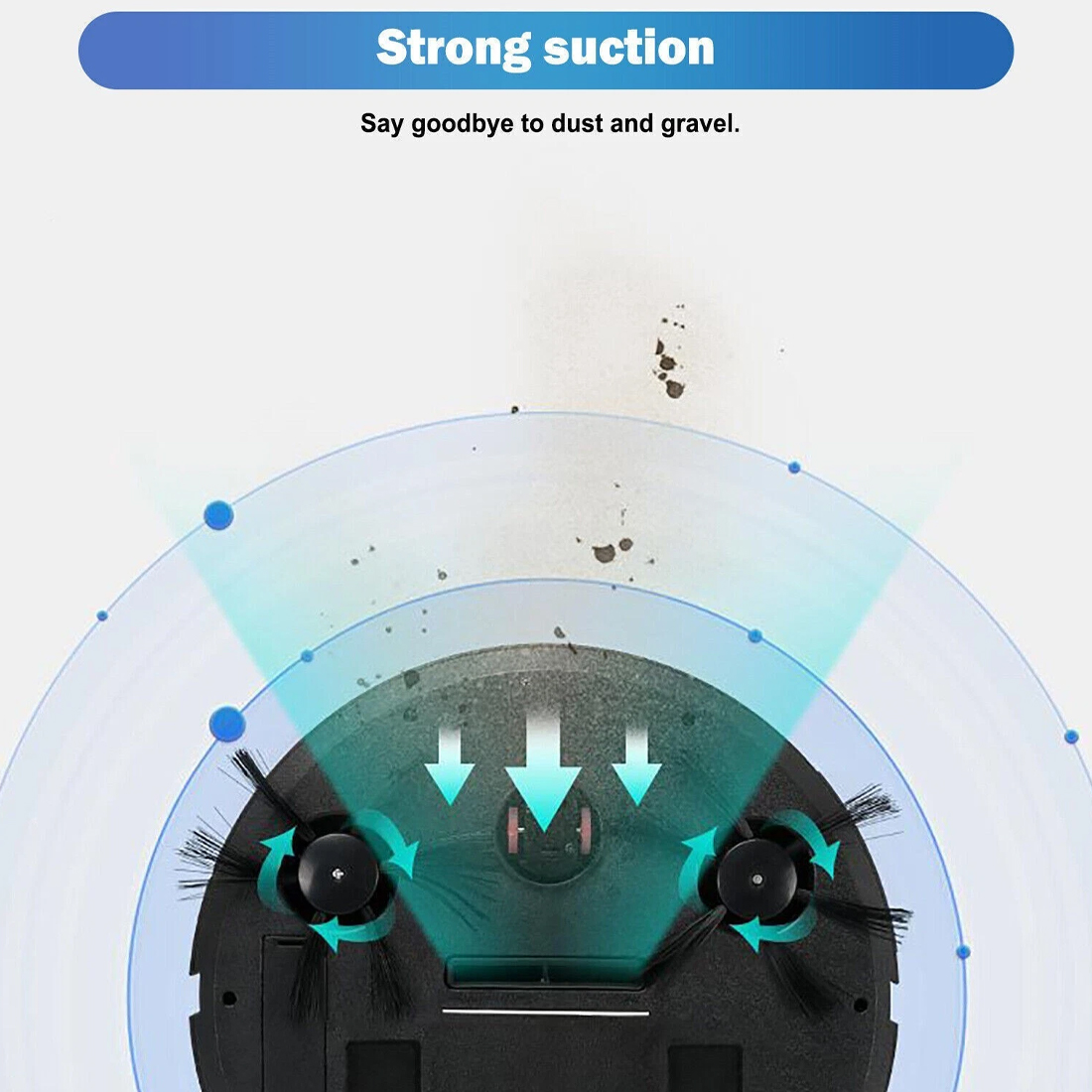
Not as much as buyers think. A May 2026 RobotVacuums discussion made a less glamorous point: many upgrades feel pointless if the basics are neglected. Filters clog, brushes tangle, mop pads wear thin and dust bags fill. Replacement filters at £14.99, a pack of mop pads at £12.50 and dust bags at £17.50 can make the first year feel less hands-off than promised. Suction figures also tell you little about chair legs, threshold strips and how often the bin needs emptying. A robot with mopping or atomising features, such as the smart robot vacuum cleaner with atomizing humidifier function, may suit hard floors, but it still needs clean pads and a floor free of abandoned crayons.
What is the fairest argument for buying one anyway?
The counterargument is strong: the newest robot vacuums are far better than the old bump-and-hope machines. Mapping is smarter, docks are neater and some mop as they go. For a flat with laminate flooring, no pets and sensible storage, one can keep the place looking presentable with very little daily effort. That matters in rented flats where you do not want to drag a heavy cleaner out every evening. Still, layout beats hype. A robot needs somewhere to dock near a BS 1363 plug, ideally with 50 cm clear either side and 1 m in front. If the only spare socket is behind a laundry airer, it will annoy you by week two.
Do you still need ordinary cleaning kit?
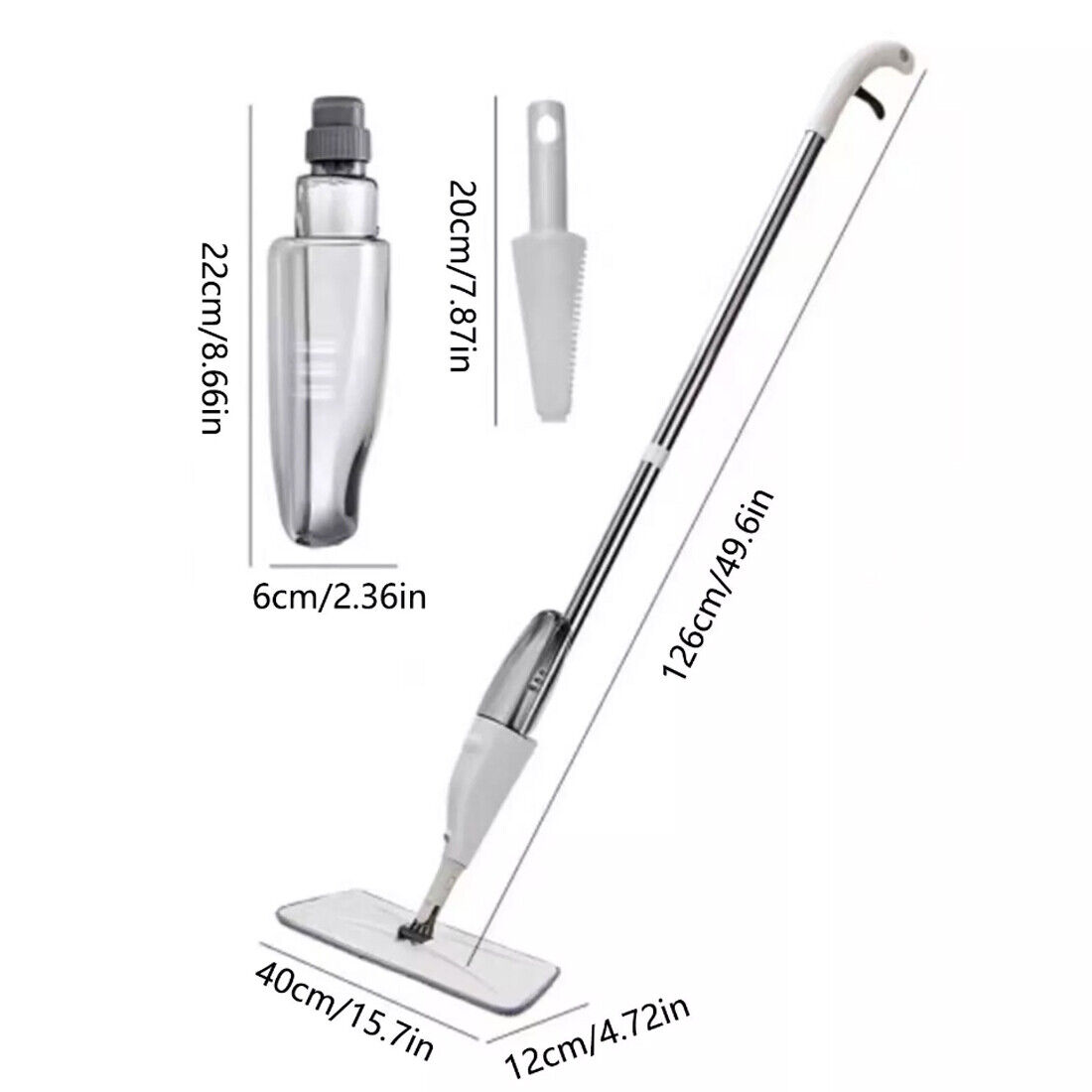
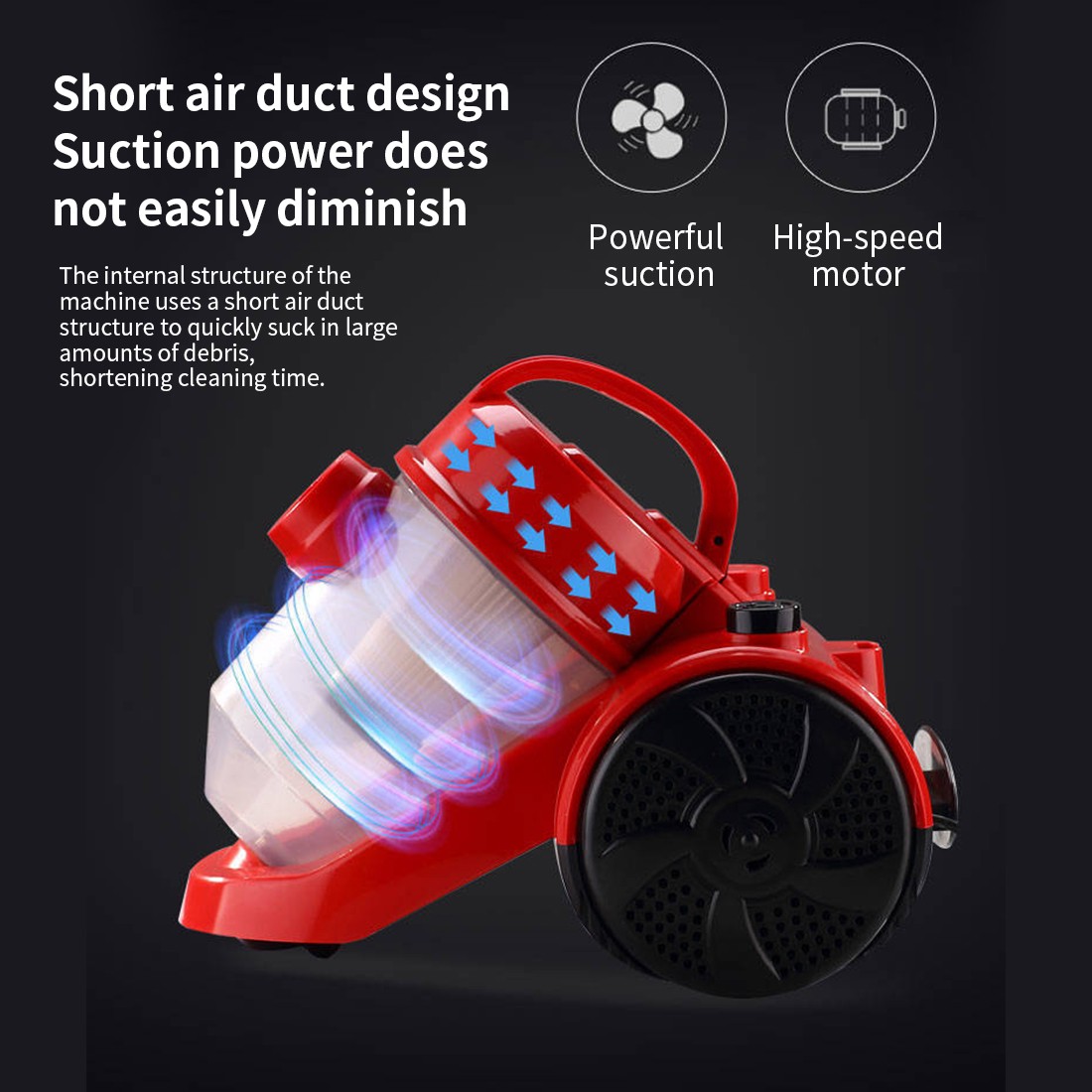
Yes. Robot vacuums are maintenance cleaners, not whole-home cleaners. They do not do stairs, skirting ledges, sofa cushions or the strip behind the loo. If you have pets, a compact cordless still earns its place for the car boot and the stairs; if you have messy hard floors, a basic spray mop is often quicker than asking a robot to smear yesterday's pasta sauce politely around the kitchen. Something like a 1000W cylinder vacuum cleaner is still the better tool for a proper weekend clean, while a microfibre spray mop deals with sticky patches without drama. The robot sits between those jobs.
Related questions
Do robot vacuums replace a normal vacuum cleaner?
No. They reduce how often you need to vacuum open floors, but they do not replace a normal vacuum for stairs, upholstery, car mats or deep rug cleaning. In UK homes with narrow stairs, the gap is obvious. Keep a proper vacuum if you want corners, edges and fabrics sorted.
Are robot vacuums good for pet hair in UK flats?
They can be very good for daily pet hair on hard floors, especially in a flat where all rooms sit on one level. The catch is brush maintenance. Long hair and pet fur wrap around rollers quickly, so expect to cut tangles away every few days. If you ignore that, performance drops fast.
Do robot vacuum mops work on laminate flooring?
They work for light maintenance, not proper mopping. On sealed laminate, a robot mop can lift dusty footprints and mild marks, provided the pad is clean and the water flow is modest. It will not scrub dried sauce near the cooker. Check your flooring guidance too, as too much moisture can be dodgy on damaged seams.
How much maintenance does a robot vacuum need?
Expect a weekly filter check, roller clean and bin empty if your dock does not self-empty. Mop pads need washing after wet runs, and the felt on some cheaper pads does pill after the second wash. Sensors also need wiping with a dry microfibre cloth, or the robot starts behaving as if your room has moved overnight.
Will a robot vacuum cope with rugs and thresholds?
Usually, if the rugs are low-pile and the thresholds are modest. Many homes have metal strips around 10 mm to 15 mm, which most robots manage. Chunky door bars, loose rug corners and tassels are another story. The chrome threshold strips in some new-builds also show every scuff in certain light.
Is a robot vacuum worth it in a rented flat?
Often, yes, if the layout is simple and you have a sensible docking spot. Rented flats tend to have fewer flooring changes than older houses, which helps. Check storage first: a dock, spare pads and bags still need a home. If your only cupboard is already full of the hoover and council recycling bags, be realistic.
So, are robot vacuums worth it in the UK in 2026? Yes, for the home that is willing to meet the machine halfway. If you can clear the floor, tame the cables and treat maintenance as part of the deal, a robot vacuum quietly improves the week. If you want magic, buy a better storage basket first. Then think about the robot.