Single-Job Kitchen Tools Under £18 That Earn Their Drawer Space — 5 UK Picks
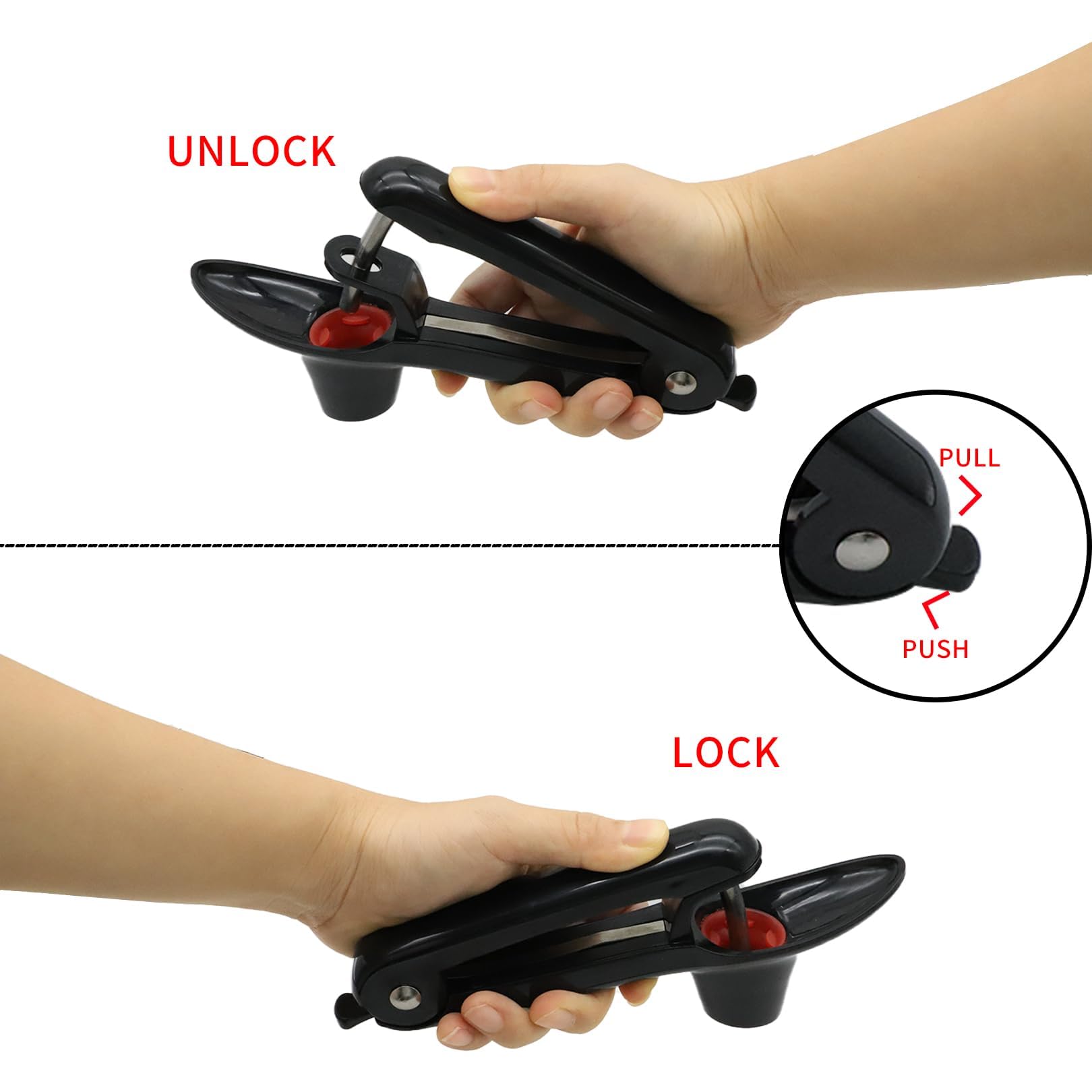
The cherry pitter sat in our drawer for two years before I bothered to time it. Three minutes versus twenty with a paring knife. Five sub-£18 single-job kitchen tools that earn their square inch in a real UK kitchen.
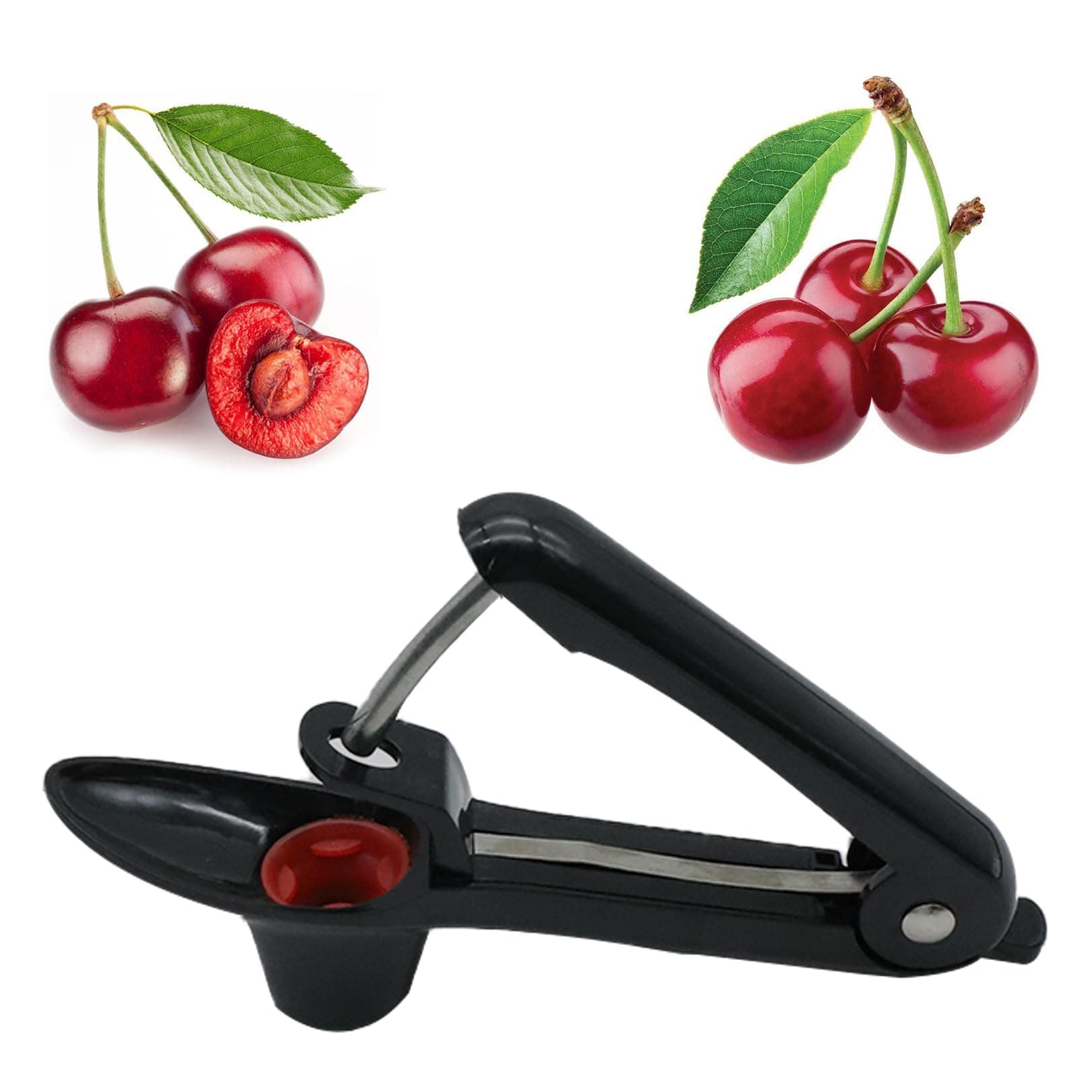
The cherry pitter sat in our drawer for two years before I bothered to time it. Twenty minutes of squinting at a colander of Kent cherries with a paring knife, versus three minutes leaning over the sink with a £9 tool — the pitter won the war that afternoon and never went back in the back of the drawer. It is the only kitchen gadget my mum has ever asked to borrow.
We're sold a story that any tool which only does one job is suspect: ballast, the sort of thing you should bin in a January declutter. That story is largely correct. Most single-job kitchen tools are gimmicks — avocado slicers, banana cutters, those plastic things for de-stringing celery. But a handful of them properly cut a fiddly job from minutes to seconds, cost less than a Friday takeaway, and live in a drawer for years without ever feeling like a regret. These five are the ones that have earned their square inch in a three-drawer rented Hackney kitchen.
How I'm thinking about this
Three rules. First, it has to save time on a job you actually do — not one you might do twice a year. Second, it has to fit in a drawer; nothing that needs its own shelf gets a pass. Third, it has to cost less than £20, because at that price "I tried it and I'd buy it again" is a sensible answer instead of "I think it's quite good, isn't it". Everything below is under £18 on Villalta Home today.
1. Stainless steel cherry pitter — the no-brainer pick, £9.45
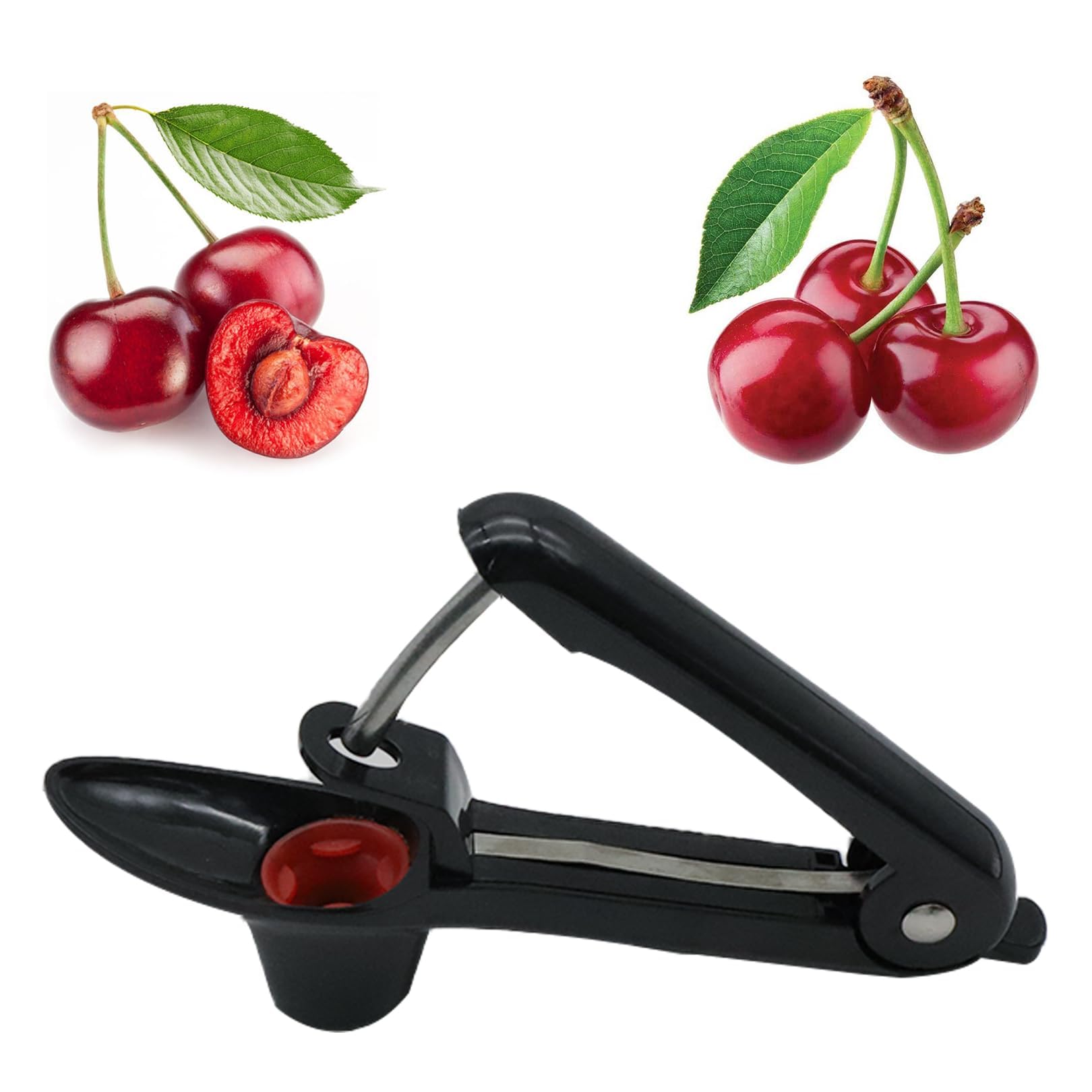
UK cherry season is short — late June into August at Borough or your nearest decent greengrocer — and a paring knife will leave you with stained fingers, half-mashed flesh and stones still buried in three out of every ten. This little squeeze-handle tool has a stainless pin that punches through the fruit, drops the stone into the catch cup and leaves the cherry intact enough to bake into a clafoutis or freeze whole. I use mine for olives more often than cherries now, which is the proper test of a single-job tool: it found a second job by accident.
Honest caveat: the catch cup is small. If you're prepping a kilo of cherries for jam, you'll empty it five times. For a punnet for the kids or a Sunday clafoutis, sorted.
2. 2-in-1 watermelon slicer and fork — the summer pick, £8.99
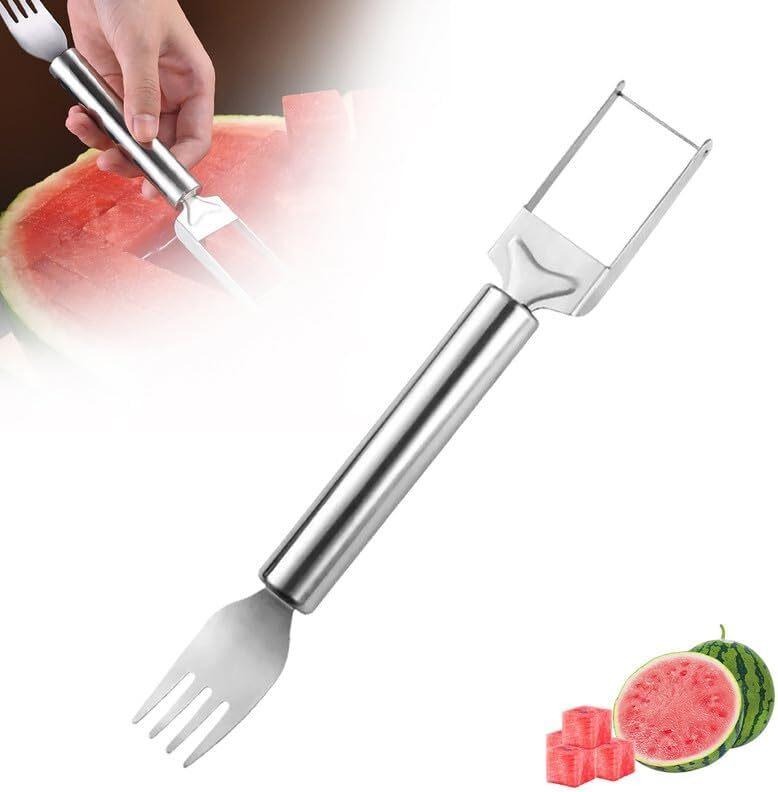
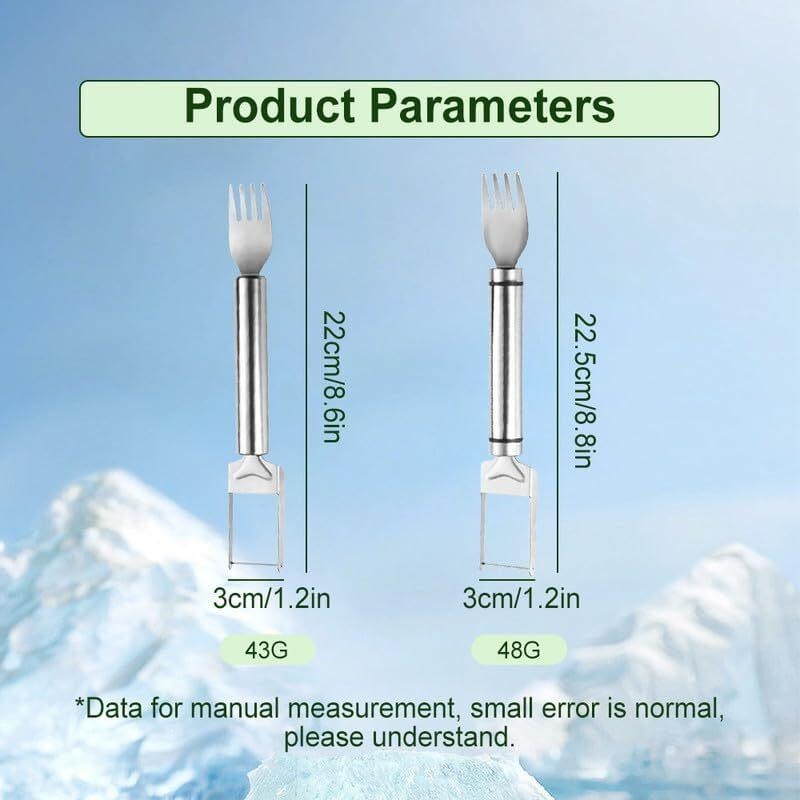
A whole watermelon is murder on a small chopping board. This is a 22 cm stainless wire tool you push down through a halved melon — the slicer end cubes it as it goes, the fork end on the back lifts the cubes out onto a plate. Three minutes for a melon that would take fifteen with a chef's knife and look much worse on the plate.
The honest catch: it works properly only on a properly ripe watermelon, the soft kind with the dark green stripes. A pale, underripe supermarket one will fight you. It's also useless on cantaloupe — different texture, less juice, just use a knife. But for the July-August window when watermelons are decent in the UK and you're feeding kids in a garden, it's the right tool.
Best for: anyone hosting outdoors in a British summer with a six-year-old who wants the watermelon right now, please.
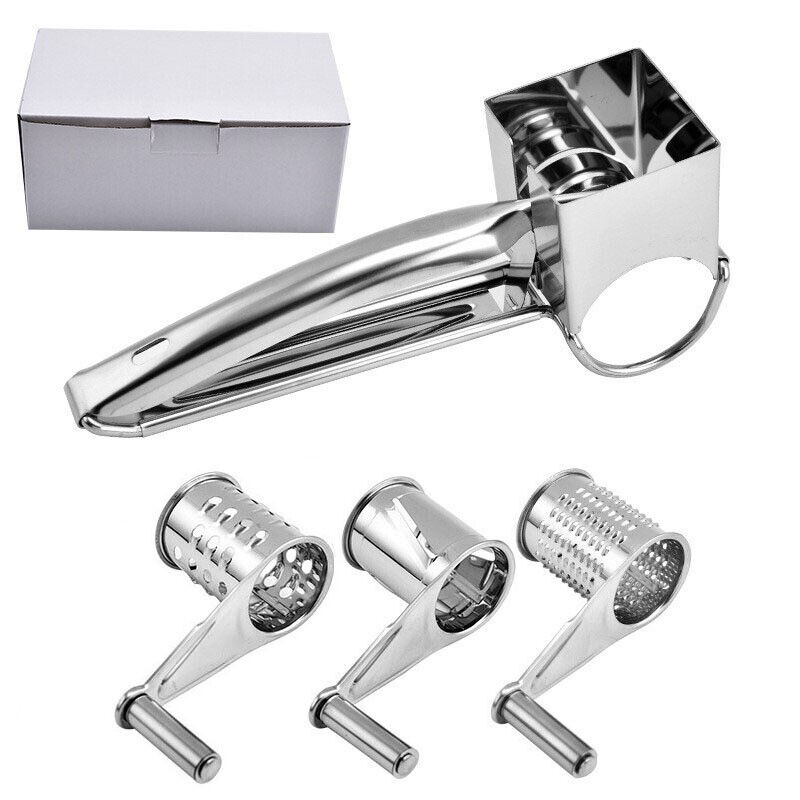
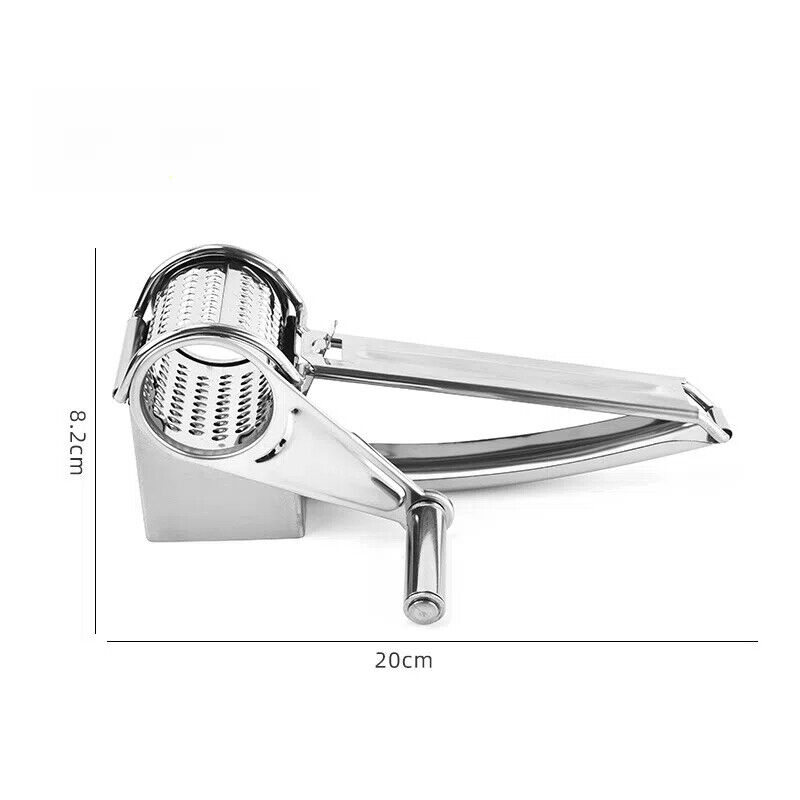
Box graters are the worst piece of kit in most UK kitchens. They wobble, they need two hands, and you stop grating about ten seconds before the end because you can feel your knuckles getting close. This rotary grater is a small crank with three interchangeable drums — fine for hard cheese, medium for cheddar over a pasta bake, coarse for chocolate — and it grips the work surface with a thumb ring rather than asking you to balance a wobbly box.
For an aged Parmigiano-Reggiano or Grana Padano, the fine drum is a genuine upgrade: you get fluffy curls rather than the wet shavings a box grater produces. The drums pop out for the dishwasher. It's faster, it's cleaner, and your knuckles will thank you.
The catch: it's fiddly to clean by hand and the drums lose their edge faster than a microplane — probably two years of weekly use before I'd replace them. For anyone who grates hard cheese three times a week, it's the obvious buy.
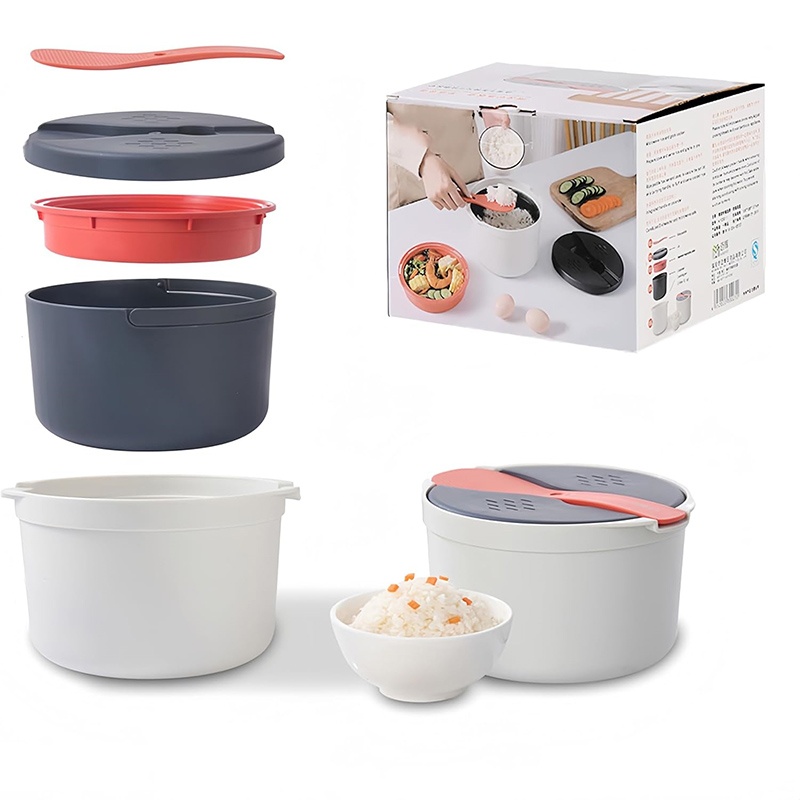
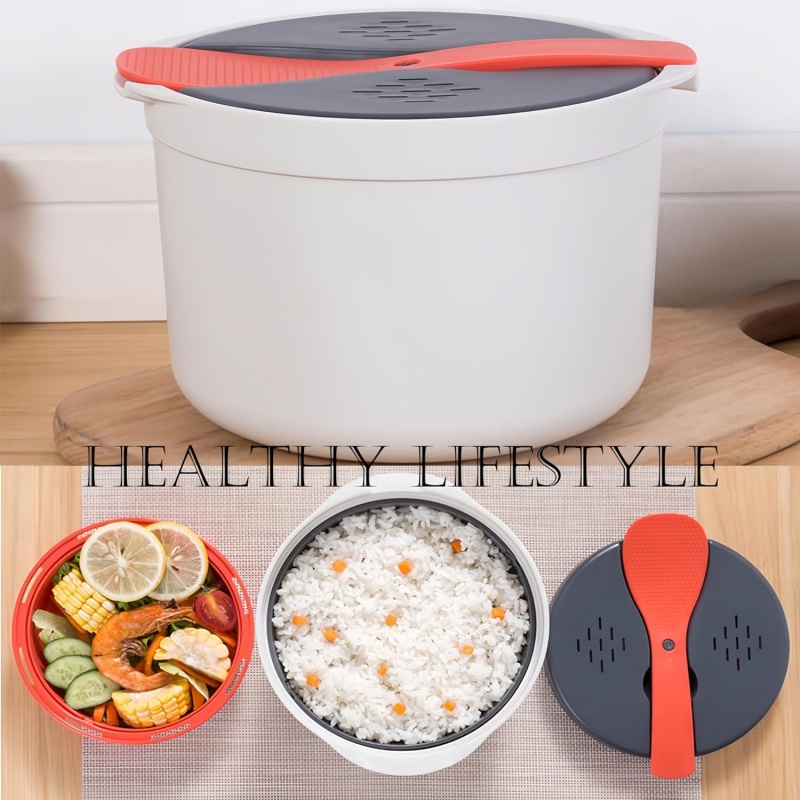
4. 2L microwave rice cooker with built-in strainer — the cheat code, £17.99
This one earns its place by replacing a pan, a colander and a sieve. A four-piece nested PP container: lid with vent, inner bowl, strainer insert, paddle. Rinse the rice in the strainer, drop it into the bowl with water, microwave it. Drain through the strainer. Twelve minutes for two portions of basmati, and the only washing-up is the rice cooker itself.
I don't own an electric rice cooker — no counter space — and I'm proper bad at not burning the bottom of a pan of rice. This thing has fixed that completely, and as a bonus it steams vegetables on top if you get the timing right. The whole 2L kit nests down to the drawer footprint of a single small saucepan.
The honest caveat: it's plastic. Food-grade PP, BPA-free, rated for microwave heat — but if you're anti-plastic-in-the-microwave on principle, this isn't the tool for you. Stick to the hob method, or save up for a Zojirushi.
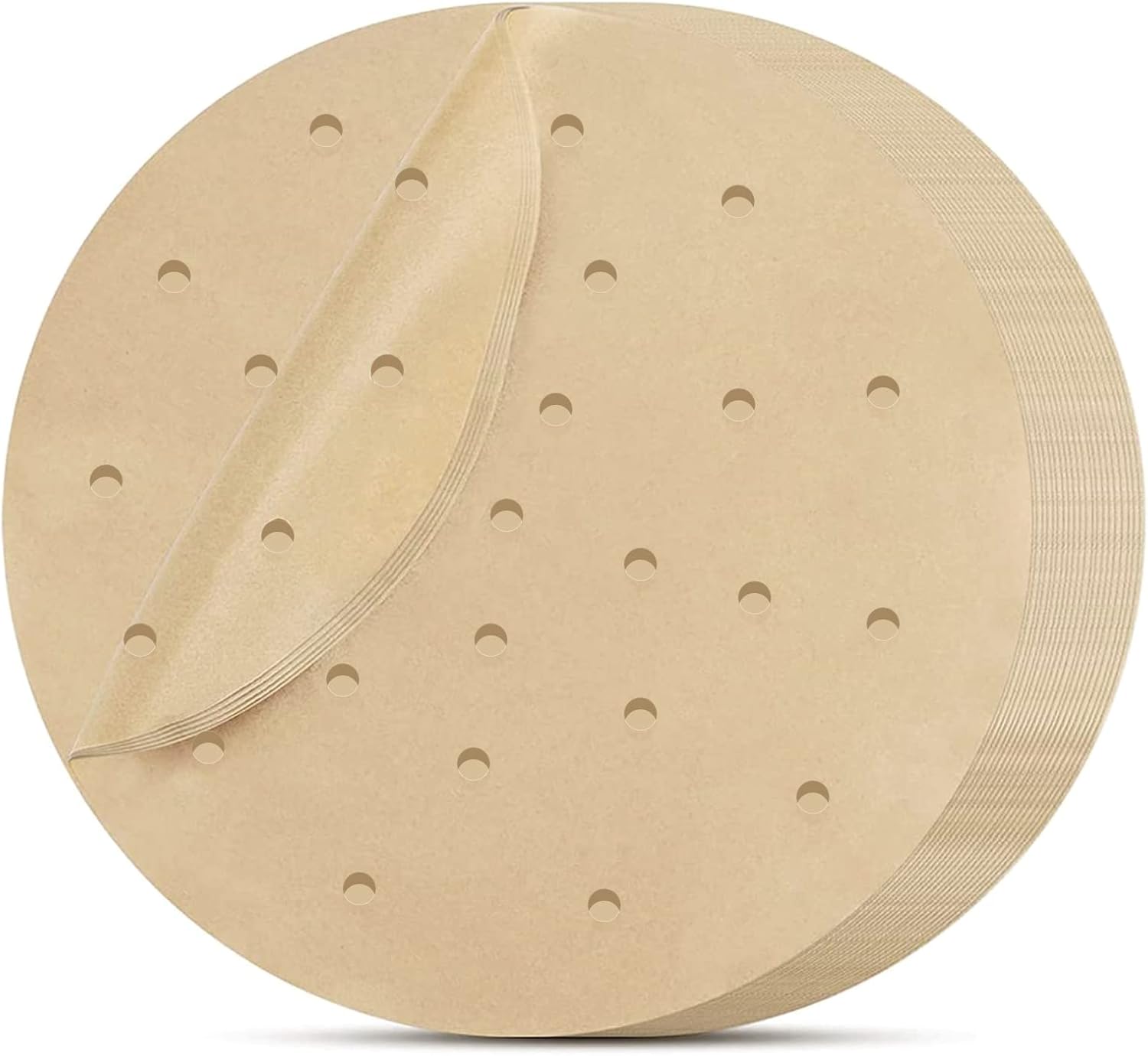
5. Perforated air fryer parchment liners, 100-pack — the one I refused to buy for a year, £11.99
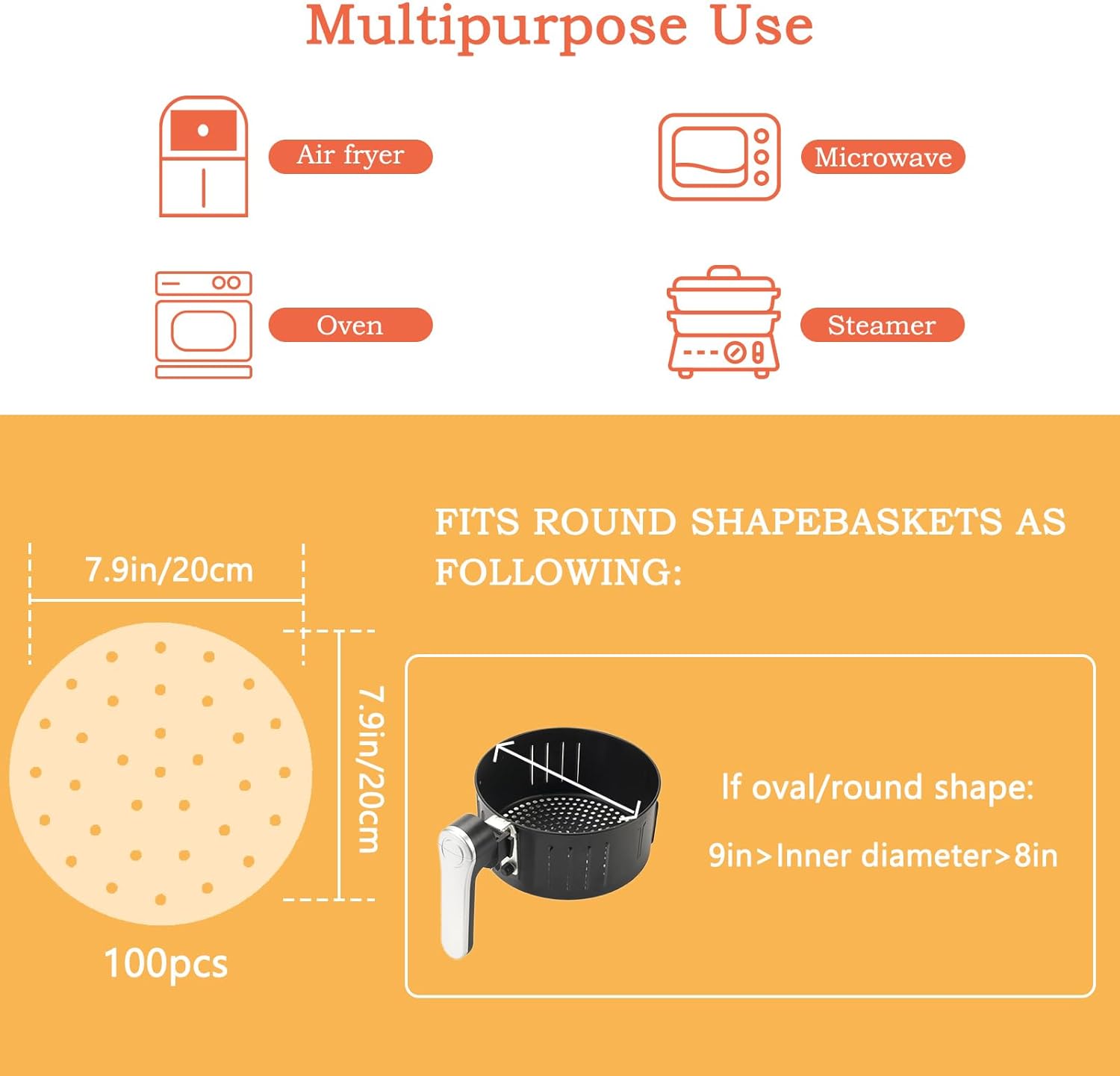
I held out on these for ages because they felt like a marketing add-on — air fryers come with a non-stick basket, so why do you need lined paper as well? Answer: marinade. The first time you do harissa chicken thighs or anything with honey in the glaze, the sugars caramelise into the perforations of the basket and you spend twenty minutes with a wooden spoon scraping it out at 9pm. A 20 cm liner under the food catches the drip, comes out with the thigh, and the basket only needs a quick wipe.
The perforations are the bit that matters — solid baking parchment blocks the hot air and you end up with steamed-looking chips. The holes here are spaced properly. 100 sheets at £11.99 works out at about 12p a meal, which is roughly the value of not standing at the sink at 9pm scraping baked-on honey.
Best for: anyone who actually uses their air fryer for proper cooking (not just frozen chips), or anyone who shares one with a flatmate and is sick of inheriting their mess.
Three single-job tools I've bought and binned: the egg slicer (a sharp knife is faster), the apple corer (an apple cut into quarters is fine, eat round the core), and any "garlic chopper" gadget (a microplane and a clove takes fifteen seconds). The rule of thumb: if a competent cook with a normal kitchen knife does the job in under 90 seconds, the gadget isn't earning its drawer space.
Drawer arithmetic matters too. In most UK rented flats you've got one cutlery drawer, one utensil drawer and a deep junk drawer. A new tool has to displace something — usually a duplicate. I own one rotary grater and zero box graters now, not both.
The verdict
For most UK households, the cherry pitter is the no-brainer pick — cheap, lasts years, does its job in about three minutes start to finish. The rotary grater is the one that quietly improves your cooking the most: a snowfall of Parmesan over weeknight pasta becomes a flourish instead of a chore. The microwave rice cooker is the wild card — if you cook rice often and the hob method has never quite clicked for you, it's twelve quid well spent. None of them will change your life. All of them earn their drawer space.
By the Villalta Home Editorial team, May 2026. Edited by Juan Antonio Villalta Pacheco.
Villalta Home Editorial is the in-house byline used for buying guides and product roundups on villaltaco.uk. Each guide is written by the editorial team, drawing on the catalogue's measurable data — real dimensions, materials, UK use cases, price bands — and on hands-on research into how products actually perform in UK homes. Every post tagged with this byline is reviewed and approved by Juan Antonio Villalta Pacheco, the founder and editor, before it goes live. See our editorial standards for the full process.
If you've ever stepped on a plastic carrot at 7am, you know the problem. Five UK play kitchens — wood-look, white, pink, compact, outdoor — that earn their floor space without screaming nursery school.
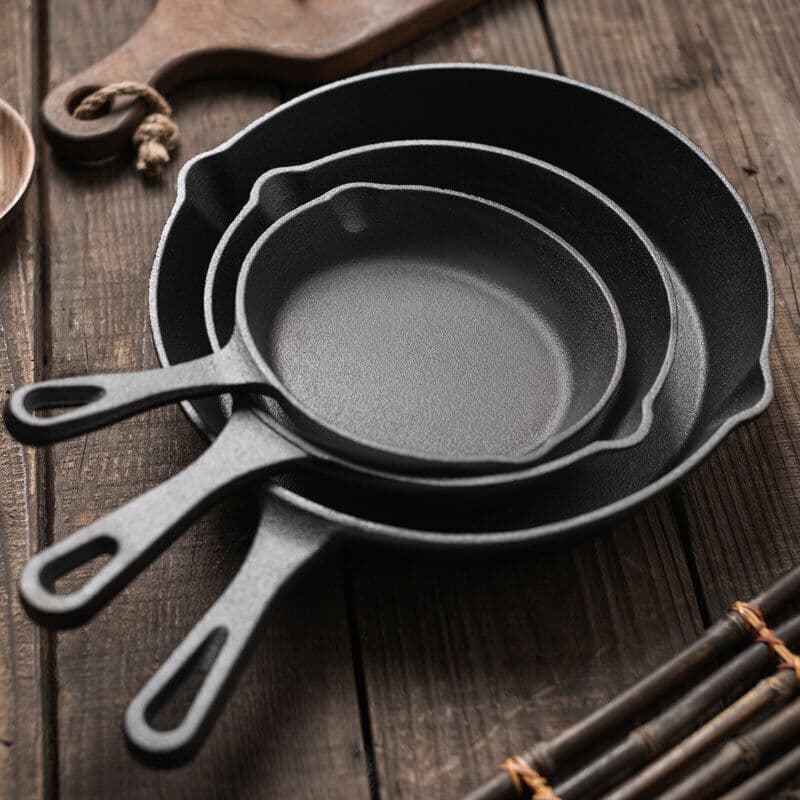
I moved into a fourth-floor rental in Walthamstow last spring and inherited a brand-new induction hob and an old set of pans that suddenly didn't work. Here are five I'd actually buy this year, from £14 to £60.