If you’ve searched for the best chopping board material, you probably want a straight answer: for most UK kitchens, wood is the best all-round choice, plastic is the most practical for raw meat and dishwasher Cleaning, and bamboo is a good-looking middle ground with a few compromises. The right pick depends less on trends and more on how you cook, how much worktop space you have, and how willing you are to maintain it.
In real kitchens, Chopping Boards have to do more than look tidy on the counter. They need to stay hygienic, resist warping in centrally heated homes, be kind to your knives, and fit around everyday cooking habits. Below, we compare wood, plastic and bamboo honestly, with the trade-offs that matter in busy UK households, from compact flats to larger family kitchens.
What matters most when choosing a chopping board?
Before comparing materials, it helps to focus on the four things that actually affect day-to-day use.
Hygiene
A chopping board should be easy to clean thoroughly and suitable for the foods you prepare. In the UK, food safety advice generally points towards careful separation of raw meat from ready-to-eat foods. That means many households benefit from using more than one board, regardless of material.
Durability
Boards take a lot of abuse: repeated chopping, washing, standing water near sinks, and temperature changes from cool utility rooms to warm kitchens. A durable board should resist cracking, deep scoring and warping.
Knife-friendliness
Some materials blunt blades much faster than others. If you’ve invested in a decent chef’s knife, such as a kitchen utensils essential or a dedicated prep knife, the board underneath it matters more than many people realise.
Maintenance
Some boards can go in the dishwasher and be forgotten about. Others need oiling, air-drying upright and a bit more care. Neither approach is automatically better; it depends on your routine.
Wood chopping boards: best overall for most home cooks
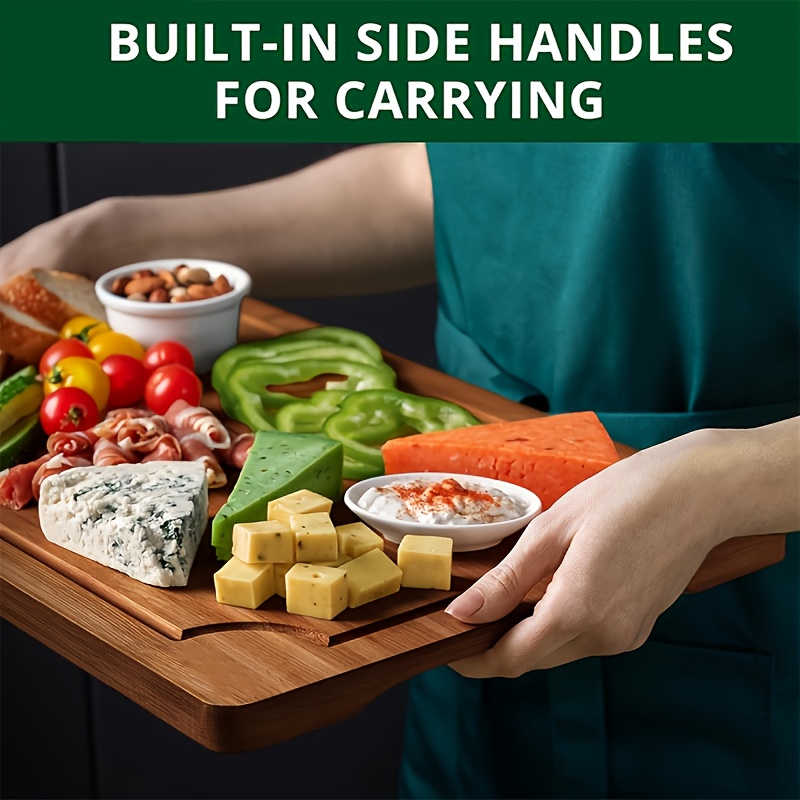
Wood remains the benchmark for many cooks because it balances performance, longevity and knife care better than most alternatives. A solid wooden board feels stable, looks better with age and tends to be gentler on blades than harder synthetic surfaces.
Why wood works so well
A good wooden board has a slightly forgiving surface, which helps protect knife edges. It also tends to stay put on the worktop, especially if it has a decent weight. For everyday vegetable prep, herbs, bread and cooked foods, wood is hard to beat.
There is also the question of hygiene. Many people assume wood is less hygienic because it is porous, but the reality is more nuanced. A well-maintained wooden board used correctly, washed promptly and dried properly can be perfectly safe for normal kitchen use. The bigger issue is poor cleaning habits rather than the material itself.
The downsides of wood
Wood is not low-maintenance. It should not be soaked in the sink, and most wooden boards should never go in the dishwasher. In UK homes with dry winter heating and then humid summer spells, wood can expand and contract, which may lead to warping or splitting if neglected.
It is also usually more expensive than plastic. If you want a thick hardwood board, it is an investment rather than a throwaway buy.
Best for
Wood is best for keen home cooks, people who value knife care, and anyone wanting one main prep board for fruit, vegetables, herbs, bread and cooked foods. It pairs naturally with quality prep tools and other kitchen utensils that are built to last.
Expert tip: If you choose wood, buy one large board for everyday prep and one separate dishwasher-safe board for raw meat. That combination gives you the best balance of knife care, hygiene and convenience in a typical UK kitchen.
Plastic chopping boards: best for convenience and raw meat prep
Plastic boards are popular for one simple reason: they are easy. They are affordable, lightweight and, in many cases, dishwasher-safe. For households that want a clear separation between raw chicken, fish and vegetables, colour-coded plastic boards are practical and easy to manage.
Where plastic has the advantage
The biggest strength of plastic is convenience. After preparing raw meat, you can wash the board thoroughly at a high temperature in the dishwasher if the manufacturer allows it. That makes plastic especially useful in busy family kitchens where speed matters.
Plastic boards are also usually thinner and lighter, which suits smaller UK kitchens with limited storage. If you live in a flat with modest worktops, being able to stack several slim boards in a narrow cupboard is genuinely useful.
The drawbacks of plastic
Plastic is not always as hygienic in the long run as people assume. Once the surface becomes heavily scored, those grooves can trap food residue and moisture. At that point, the board needs replacing. Cheap plastic boards often wear quickly, stain easily and may slide around during chopping.
Plastic is also less kind to knife edges than a good wooden board. Not disastrously so, but over time you may notice your knives need sharpening more often. If you use a quality blade such as a professional chef’s knife, the difference becomes more noticeable.
Best for
Plastic is best for raw meat, fish, allergen separation, and households that prioritise dishwasher cleaning and low upfront cost. It is often the most sensible secondary board even if your main board is wood.
Bamboo chopping boards: stylish and sustainable-looking, but not perfect
Bamboo boards are often marketed as the best of both worlds: natural-looking, lighter than hardwood and more eco-conscious. In practice, bamboo can be a very good option, but it is not identical to wood and it comes with its own quirks.
Why people like bamboo
Bamboo usually looks neat, modern and clean on the counter. It is often more affordable than premium hardwood boards, and it tends to resist moisture reasonably well if cared for properly. For many households, it offers a more attractive finish than plastic without the price of a heavier wooden butcher’s block.
Where bamboo falls short
Bamboo is typically harder than many woods, which can make it a little less forgiving on knife edges. It is still far better than glass, stone or steel for knife care, but it may not feel quite as pleasant under the blade as maple, beech or walnut.
Because bamboo boards are made from strips bonded together, quality matters a great deal. Poorly made boards can split at the joins or warp if repeatedly exposed to moisture. Like wood, bamboo should not be left soaking in the sink.
Best for
Bamboo is best for shoppers who want a natural look, moderate price and lighter weight. It suits general prep well, especially in kitchens where appearance matters and the board may stay on display.
At-a-glance comparison
Material
Hygiene
Durability
Knife-friendliness
Maintenance
Best use
Wood
Good if cleaned and dried properly
Very good with proper care
Excellent
Needs hand washing and occasional oiling
Everyday veg, herbs, bread, cooked foods
Plastic
Very good when new; replace once deeply scored
Moderate to good depending on quality
Fair to good
Usually easiest; often dishwasher-safe
Raw meat, fish, colour-coded food prep
Bamboo
Good if cleaned promptly
Good, but quality varies
Good
Hand wash; avoid soaking
General prep, lighter natural-look board
Which chopping board is most hygienic?
If hygiene is your top concern, the most honest answer is this: the cleanest board is the one you use correctly and replace when worn out. Material matters, but habits matter more.
For raw meat and fish
Plastic usually wins on practicality because it can often be washed at higher temperatures and kept separate from other foods. In a UK household cooking chicken regularly, a dedicated plastic board is a sensible choice.
For fruit, vegetables and bread
Wood or bamboo are both excellent, provided they are washed with hot soapy water, rinsed and dried upright. Avoid leaving any board flat on a damp drainer for hours, especially in cooler homes where drying takes longer.
When to replace a board
If a plastic board has deep knife grooves, persistent odours or staining that does not lift, replace it. If a wooden or bamboo board cracks, splits or develops rough seams that trap debris, retire it. No chopping board lasts forever.
Which material lasts the longest?
In most cases, a well-made wooden board lasts the longest. A thick hardwood board can give years of service and often improves in character over time. Bamboo can also last well, but lower-quality versions are more prone to glue-line failure or surface roughness. Plastic tends to have the shortest lifespan because repeated cutting leaves permanent scoring.
That said, longevity depends on treatment. A wooden board shoved into a dishwasher will fail faster than a plastic board used properly. Likewise, a cheap bamboo board may wear out before a sturdy plastic one.
Which is best for protecting your knives?
Wood is generally the most knife-friendly option. If you cook often and use a decent blade, this matters. A board that is too hard or unforgiving can dull the edge sooner, meaning more frequent sharpening and shorter intervals between maintenance.
Bamboo comes next: still suitable, but often a touch harder under the blade. Plastic is acceptable for most home cooks, though not ideal if preserving a very sharp edge is a priority. If you do use plastic regularly, keeping a sharpener to hand can help maintain performance; Villalta Home Co. also stocks practical prep tools such as an electric sharpener and a range of cooking essentials that sit naturally alongside kitchen utensils.
Maintenance: what each board needs in a UK kitchen
Wood
Wash by hand with hot soapy water, dry immediately, and stand upright until fully dry. Oil occasionally with a food-safe board oil to prevent drying and cracking. This is especially helpful in homes with strong central heating in winter.
Plastic
Check whether it is dishwasher-safe. If it is, that is the easiest route. Inspect regularly for deep cuts and replace when worn. Avoid using very flimsy boards that bend excessively or slide around.
Bamboo
Treat much like wood: hand wash, dry promptly and avoid prolonged soaking. Some bamboo boards benefit from occasional oiling, though usually less often than traditional wood.
The best setup for most households
For most people, the best chopping board material is not a single material at all, but a combination. One wooden or bamboo board for everyday prep, plus one plastic board for raw meat, is the most balanced setup. It covers hygiene, convenience and knife care without making kitchen life fussy.
If you cook often and have the space, a larger wooden board is worth it. If your kitchen is compact, a slim bamboo board and a small plastic meat board may be easier to store. In many British homes where worktops are limited and cupboards are shallow, practicality matters just as much as performance.
What about stainless steel or other alternatives?
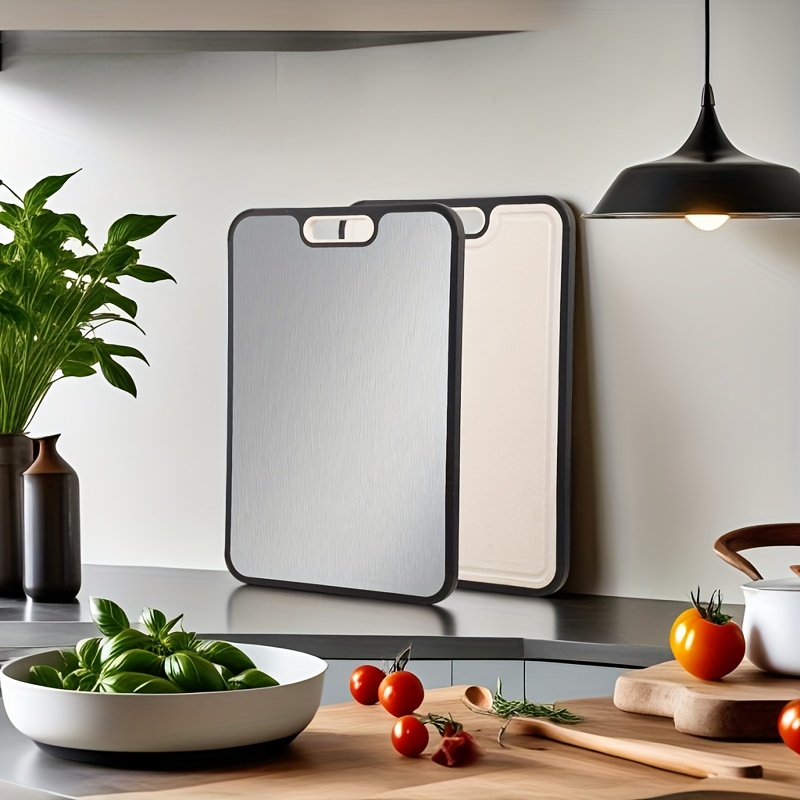
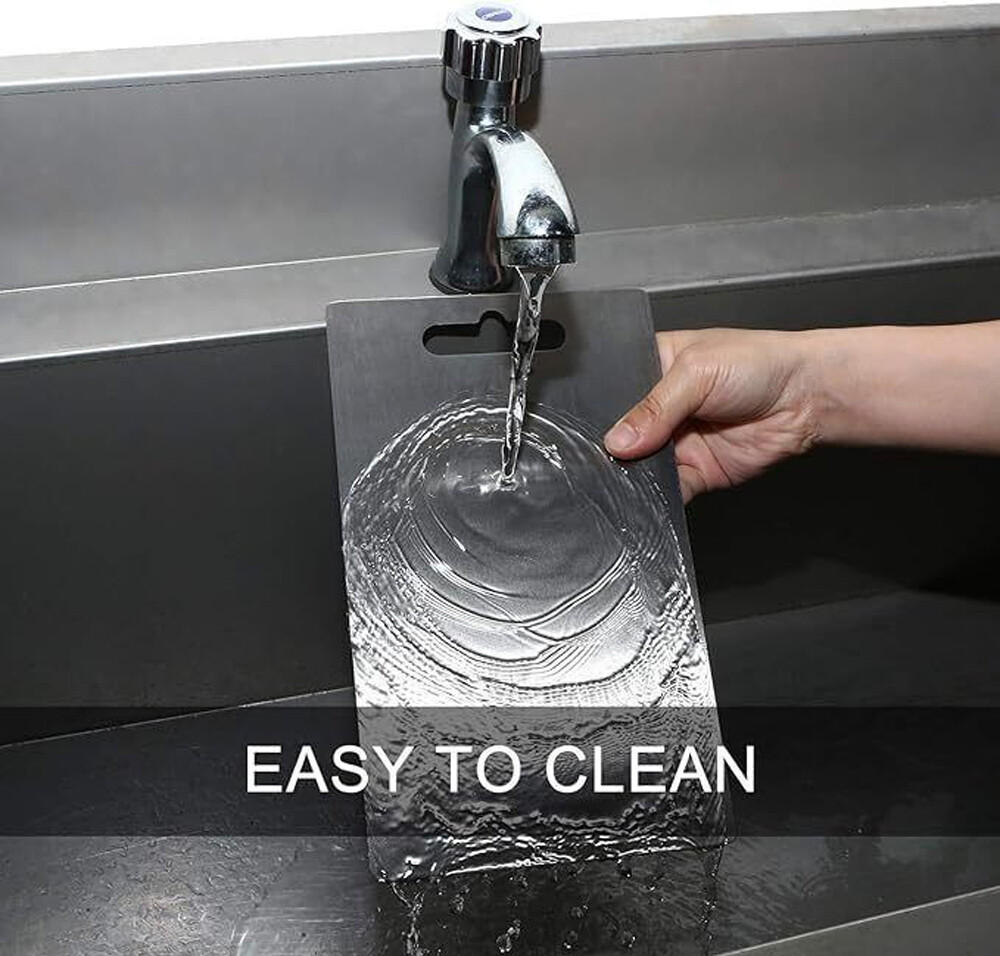
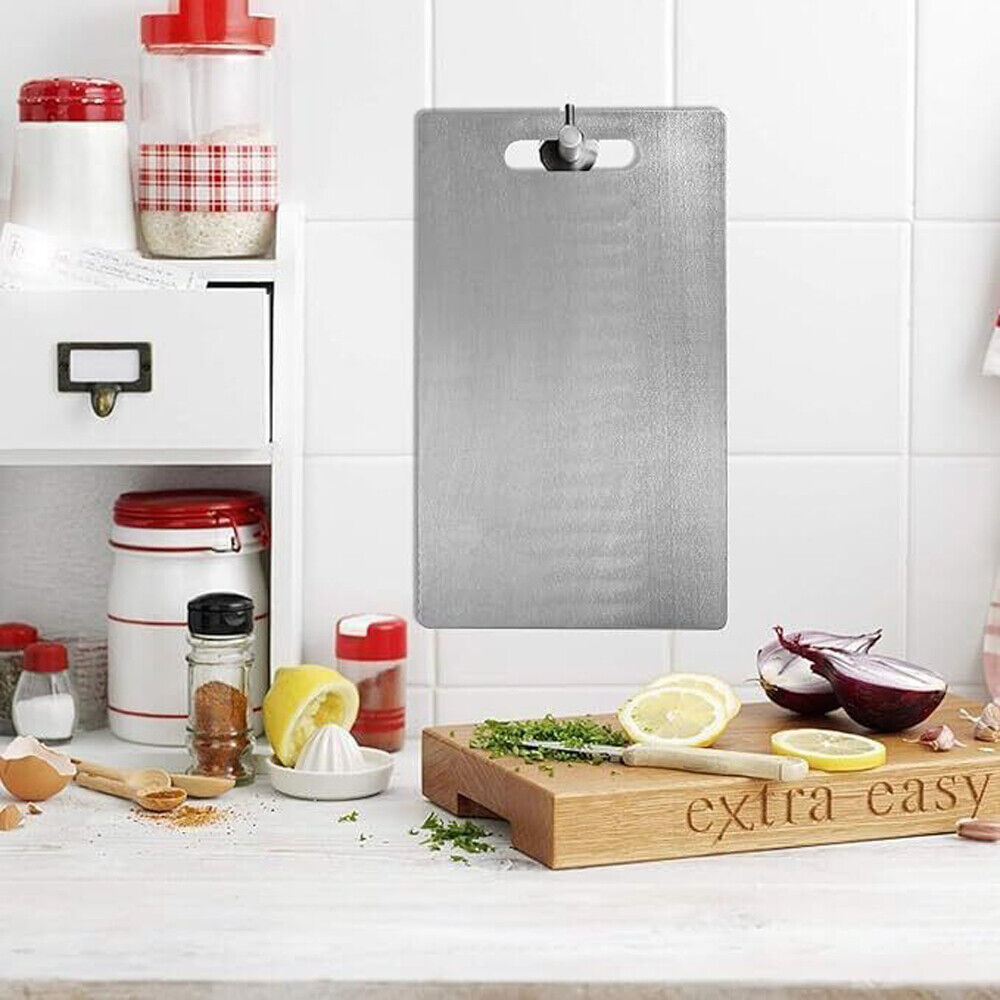
You may have seen stainless steel boards marketed as ultra-hygienic. They can be useful for certain pastry or specialist prep tasks, but they are not the best chopping surface for most knives. They are harder, noisier and far less forgiving under the blade. For ordinary chopping, wood, plastic and bamboo remain the better choices.
If you are building out your prep area, think in terms of the whole station rather than one item. A reliable board, a sharp knife, and sensible storage make more difference than chasing novelty materials. Products such as a bedroom furniture link would be irrelevant here, but practical kitchen additions like a chef’s knife, utensil set or even a specialist slicer can genuinely improve prep efficiency when chosen carefully.
Our verdict: which chopping board material is best?
If you want one clear recommendation, wood is the best chopping board material overall for most home cooks. It is durable, kinder to knives and pleasant to use. Plastic is the best secondary option for raw meat and quick dishwasher cleaning. Bamboo is a solid alternative if you want a natural look at a more moderate price, but it is not quite as gentle on knives as the best woods.
The smartest choice is to match the board to the task rather than expect one board to do everything perfectly.
FAQs
What is the best chopping board material overall?
For most households, wood is the best all-round chopping board material because it balances durability, knife-friendliness and everyday usability. Plastic is best as a separate board for raw meat, while bamboo is a good natural-looking alternative.
Are wooden chopping boards hygienic?
Yes, wooden chopping boards can be hygienic if they are washed properly with hot soapy water and dried thoroughly. The key is good cleaning habits, avoiding prolonged soaking, and replacing the board if it cracks or becomes damaged.
Is plastic or wood better for raw chicken?
Plastic is usually better for raw chicken because it is easier to keep as a dedicated meat board and is often dishwasher-safe. Once it becomes deeply scored, though, it should be replaced.
Does bamboo blunt knives more than wood?
Bamboo can be slightly harder on knives than many traditional woods, so blades may lose their edge a little faster. It is still a much better chopping surface than glass, stone or metal for most kitchen knives.
How often should I replace a chopping board?
Replace a plastic board when it has deep grooves, stubborn odours or heavy staining. Replace wood or bamboo if they crack, split, warp badly or develop damaged seams that are difficult to clean properly.
If you’re choosing just one upgrade, go for a good wooden board for daily prep and add a separate plastic board for raw meat. It’s the most sensible, hygienic and knife-friendly combination for the majority of UK kitchens.
Villalta Home Editorial is the in-house byline used for buying guides and product roundups on villaltaco.uk. Each guide is written by the editorial team, drawing on the catalogue's measurable data — real dimensions, materials, UK use cases, price bands — and on hands-on research into how products actually perform in UK homes. Every post tagged with this byline is reviewed and approved by Juan Antonio Villalta Pacheco, the founder and editor, before it goes live. See our editorial standards for the full process.
If you've ever stepped on a plastic carrot at 7am, you know the problem. Five UK play kitchens — wood-look, white, pink, compact, outdoor — that earn their floor space without screaming nursery school.
The cherry pitter sat in our drawer for two years before I bothered to time it. Three minutes versus twenty with a paring knife. Five sub-£18 single-job kitchen tools that earn their square inch in a real UK kitchen.
I moved into a fourth-floor rental in Walthamstow last spring and inherited a brand-new induction hob and an old set of pans that suddenly didn't work. Here are five I'd actually buy this year, from £14 to £60.