If you’ve been asking, do I need a food processor, the honest answer is: not always. For plenty of everyday kitchen jobs, a decent knife, a sturdy chopping board and five focused minutes will do the work just as well. But there are also situations where a food processor genuinely earns its keep, saving time, effort and a surprising amount of washing-up when you’re cooking in volume or repeating the same prep week after week.
The real question is less about whether a food processor is a “must-have” and more about whether it suits the way you cook, the size of your kitchen and how much counter or cupboard space you can spare. In many UK homes, especially flats and galley kitchens, every appliance has to justify itself. If you’re browsing small appliances and wondering whether a food processor deserves a spot, this guide will help you decide with a practical, no-nonsense view of where it shines and where a knife is simply faster.
What a food processor is actually good at
A food processor is best thought of as a prep machine rather than a cooking one. It excels at repetitive tasks: chopping lots of onions, slicing vegetables evenly, grating cheese, mixing pastry, blitzing breadcrumbs, making pesto, hummus or curry pastes, and handling bulky prep for batch cooking.
That matters if you regularly cook for a family, meal prep on Sundays, or make recipes that involve lots of chopping. If you only cook simple meals for one or two people, though, the benefit can be much smaller than marketing suggests.
Jobs where it genuinely saves time
Large batches of veg prep: coleslaw, soup bases, mirepoix, sliced potatoes, shredded carrots.
Grating in quantity: blocks of cheese, courgettes for fritters, carrots for cake.
Dough and pastry: especially shortcrust, where quick mixing helps keep it light.
Dips and sauces: hummus, pesto, salsa, nut-based sauces.
Batch cooking: chopping enough onions, celery and carrots for several meals at once.
Jobs where it’s often overrated
One onion or two carrots: getting the processor out can take longer than using a knife.
Very precise knife work: fine brunoise, neat slices for garnishes, or anything presentation-led.
Soft ingredients: tomatoes and delicate herbs can turn to mush if over-processed.
Quick weekday prep: if you’re making a stir-fry for two, hand chopping is often faster overall.
When a knife is actually faster
This is the part many buying guides skip. A food processor has setup time, and that matters. You need to fetch it, fit the bowl, choose the blade or disc, process the food, scrape it down, then wash the parts. For small tasks, that overhead can cancel out the time saved.
In practical terms, a knife is usually faster when:
You’re prepping small amounts.
You want control over size and texture.
You already have good knife skills.
You’re cooking a simple meal with only a few ingredients.
You dislike bulky washing-up.
For example, chopping one onion, slicing a pepper and dicing two courgettes for a pasta sauce is often quicker by hand. By the time the processor is assembled and cleaned, dinner could already be on the hob.
Expert tip: Before buying, time yourself making three meals you cook often. If prep is the part you dread and it regularly takes 15-20 minutes of repetitive chopping or grating, a food processor may be worth it. If most of your meals need only a handful of ingredients, your knife is probably the better tool.
The biggest deciding factor: how you cook at home
The best way to decide is to look at your actual habits rather than aspirational ones. Many people buy kitchen appliances for the person they hope to become, not the cook they are on a Tuesday night after work.
It’s worth the counter space if you...
Cook for four or more people most days.
Batch cook soups, sauces, curries or stews.
Make lots of salads, slaws and grated veg dishes.
Bake regularly and want help with pastry or crumbs.
Have hand or wrist pain that makes repetitive chopping tiring.
Often prep ingredients in bulk for the week ahead.
You may not need one if you...
Mostly cook for one or two.
Prefer simple meals with minimal prep.
Already own a good stick blender and sharp knives.
That last point is more important than it sounds. In smaller UK kitchens, especially in terraces, flats and newer homes with compact worktops, an appliance that is awkward to store often ends up unused. If it has to live in a high cupboard or be assembled from several parts, you’ll only reach for it if the payoff is clear.
Food processor vs knife vs blender: which makes sense?
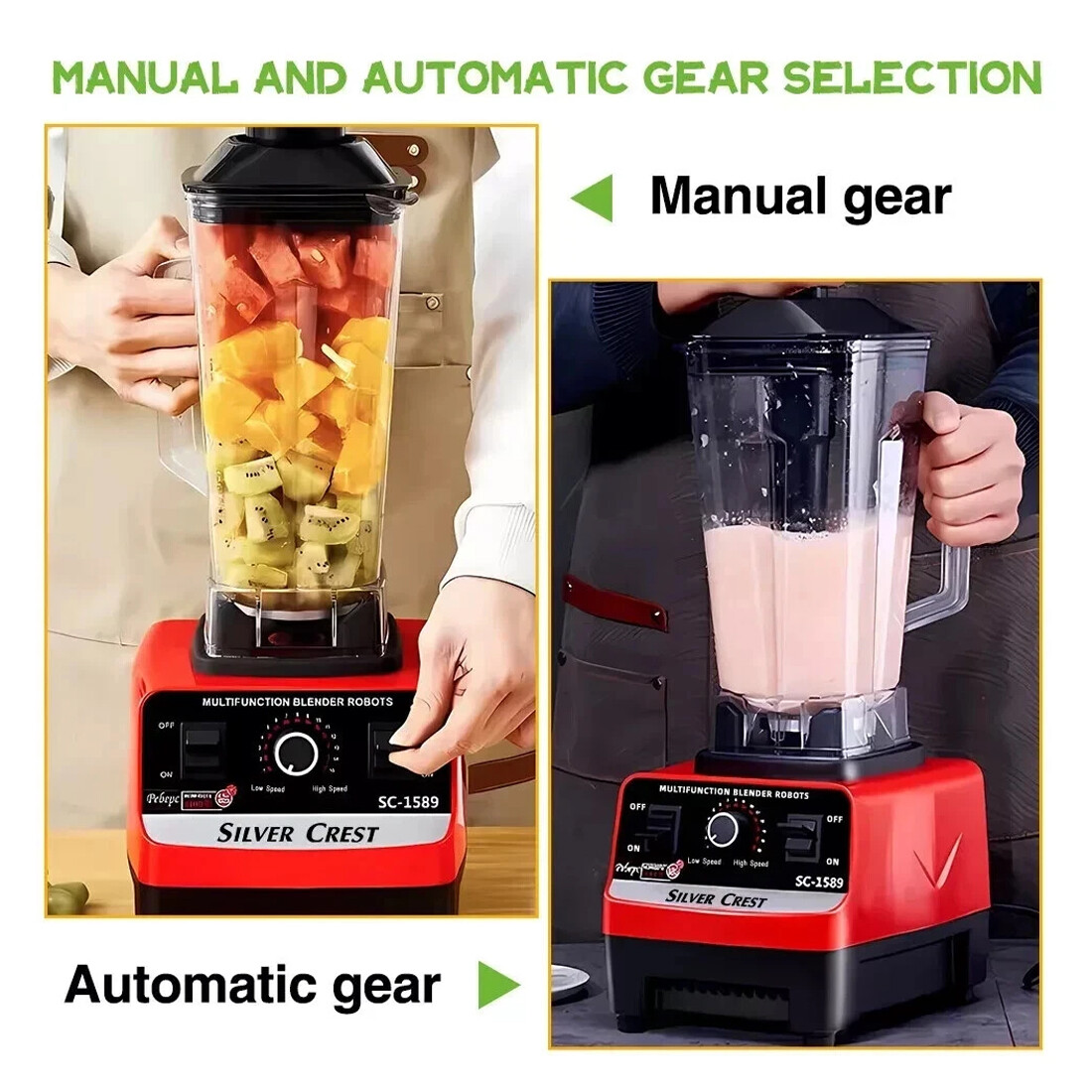
Some shoppers considering a food processor may already own another appliance that covers part of the job. A stick blender, for example, is better for soups and smooth sauces. A high-powered blender can handle smoothies, frozen fruit and some purees more effectively. A food processor sits in a different lane: broad, dry-ish prep and chunkier processing rather than liquid blending.
Even slicing, grating, dough, coarse chopped textures
You make drinks and blended recipes more than chopped ones
If you’re mainly making soups and sauces, an small appliance like a stick blender may be the more sensible buy. Villalta Home Co. also stocks options such as an electric hand stick blender or a high-power blender, which can be more useful than a food processor depending on your routine.
Space, storage and noise: the trade-offs people forget
Counter space is not a trivial issue. In many British kitchens, especially older properties with narrower layouts, worktop room is at a premium. A food processor can be bulky, and the attachments take up more space than the machine itself. If you keep your kettle, toaster and coffee setup out all the time, adding another permanent appliance may make the room feel cramped.
Countertop living vs cupboard storage
If an appliance lives on the worktop, it gets used more. But it also needs to look tidy and justify the footprint. If it lives in a cupboard, it needs to be easy enough to retrieve that you won’t talk yourself out of using it. This is where compact models can make more sense than the biggest machine available.
Cleaning and maintenance
The bowl, lid, pusher and blades all need washing, and some lids have awkward crevices. This doesn’t make a food processor a bad buy, but it does mean the “time saving” claim is only true if the task is large enough. For a family-sized coleslaw, yes. For half a cucumber and one carrot, probably not.
Noise levels
Food processors are not usually the noisiest kitchen appliances, but they are hardly subtle. In flats or open-plan homes, that can matter, especially if you cook early in the morning or have young children napping nearby.
Who gets the most value from a food processor?
There are a few households where a food processor tends to prove its worth quickly.
Busy families
If you’re making packed lunches, prepping dinners and trying to get more vegetables into meals, the slicing and grating functions can save real time. Shredded cabbage, carrots, onions and cheese all add up over a week.
Batch cooks and meal preppers
Anyone making large pots of soup, chilli, curry or pasta sauce will appreciate being able to process several onions or carrots in one go. The savings become more obvious when you repeat the habit weekly.
Bakers
For pastry, crumb bases and evenly chopped nuts, a food processor is genuinely useful. If you already own a stand mixer, however, think carefully about overlap. Some jobs may already be covered by an appliance collection elsewhere in your home planning, and avoiding duplication is usually the smarter buy.
People with limited grip strength
This is one of the strongest arguments in favour. If repetitive chopping aggravates arthritis or hand fatigue, a food processor can make home cooking more accessible and less tiring.
Who should probably skip it?
Equally, there are plenty of people who can safely pass on one.
Minimalist cooks: if your meals are omelettes, pasta, traybakes and salads for one, you may never use it enough.
Takeaway-light home cooks: if you cook only a few times a week, it may sit idle.
Very small kitchens: in compact rentals, every cupboard shelf matters.
People who hate clutter: if visual calm in the kitchen is important, one more machine may annoy you more than it helps.
There is no shame in deciding that a sharp chef’s knife is the better investment. In fact, for many households, upgrading knives and boards will improve cooking more than adding another motorised gadget.
Questions to ask before you buy
Try these practical checks before spending anything:
What three recipes do I cook most often? Would a processor help with those exact meals?
How often do I prep in bulk? Once a month may not justify it; once a week might.
Where will it live? If you cannot picture a realistic storage spot, think twice.
What appliance do I already own? A stick blender or powerful blender may cover enough ground.
Do I mind washing multiple parts? Be honest.
If you’re building out a practical kitchen setup, it’s worth browsing small appliances as a whole rather than shopping in isolation. Sometimes the best answer is not a food processor at all, but a blender, stick blender or stand mixer that better matches the way you cook.
So, do you really need a food processor?
For many people, no: you do not need a food processor. A knife is faster for small jobs, cheaper, easier to store and better for precision. But if you cook in quantity, bake often, prep lots of vegetables or want to reduce the physical effort of chopping, a food processor can be one of the few kitchen appliances that genuinely pays you back in time.
The key is to buy it for the life you already live, not the one you imagine after a burst of kitchen optimism. If repetitive prep is slowing you down every week, it’s probably worth the space. If not, keep your counters clear and sharpen your knife instead.
FAQs
Do I need a food processor if I already have a blender?
Not necessarily. A blender is better for liquids such as soups, smoothies and sauces, while a food processor is better for chopping, slicing, grating and pastry. If your cooking is mostly soup, smoothies or purees, a blender may be enough.
Is a food processor worth it for a small kitchen?
Only if you will use it regularly. In many small UK kitchens, storage is tight, so a food processor needs to save enough time to justify the space it takes up. If you mostly cook simple meals for one or two people, a knife is often the more practical option.
What can a food processor do that a knife cannot?
It can handle large volumes much faster, grate cheese or vegetables quickly, slice evenly with the right disc, and mix pastry with less effort. A knife still gives better precision and is often quicker for small amounts.
Is a food processor hard to clean?
It depends on the model, but most have several parts to wash, including the bowl, lid and blades. For big prep jobs, the cleaning is usually worth it. For tiny tasks, the washing-up can outweigh the time saved.
Who benefits most from owning a food processor?
Busy families, batch cooks, regular bakers and anyone with hand or wrist pain tend to get the most value from one. If you cook often and prep lots of ingredients at once, the time savings are much more noticeable.
If you’re still undecided, start by looking at the meals you cook every week. The best kitchen appliance is the one that solves a real problem in your routine, not the one that simply fills a cupboard.
Villalta Home Editorial is the in-house byline used for buying guides and product roundups on villaltaco.uk. Each guide is written by the editorial team, drawing on the catalogue's measurable data — real dimensions, materials, UK use cases, price bands — and on hands-on research into how products actually perform in UK homes. Every post tagged with this byline is reviewed and approved by Juan Antonio Villalta Pacheco, the founder and editor, before it goes live. See our editorial standards for the full process.
Late June, the kitchen tiles still warm from yesterday, and firing up the main oven for one tray of veg feels mad. Five mini countertop ovens from about £34 up to £114, picked for what actually goes through a real UK kitchen between May and September.
Your main fridge can't handle a Bank Holiday BBQ on its own. Five focused mini fridges and wine coolers we'd actually plug in for a UK summer of garden drinks.