The deep sofa trend forgets British living rooms are small
The first time I properly distrusted a deep sofa was in a friend’s Victorian conversion in Walthamstow: 3.4 m by 3.1 m living room, chimney breast still intact, bay window nicking useful wall space, and a 96 cm-deep sofa wedged so close to the coffee table that you had to turn sideways with a mug. Lovely in the photo. A faff at 8:15pm when two adults wanted to sit down and neither could reach the lamp without a small expedition.
This guide is about the deep sofa trend in small UK living rooms: how seat depth, arm width, chaise sections, floor clearance and delivery access affect whether a comfort-led sofa is genuinely worth it. It is not a style takedown. Softer silhouettes and cocooning fabrics are being pushed hard in 2026 living-room coverage; Ideal Home has pointed to airier, generous seating as a major direction. The problem is that the product shot usually lives in a room with more floor than most rented flats, terraces and Manchester new-build lounges can spare.
Here’s the thesis, in plain terms: a deep sofa under roughly 100 cm overall depth can work in a small British living room, but the fashionable 110 cm-plus lounger is usually a worse buy than a shallower sofa with better cushions unless you can keep at least 75 cm of clear walkway in front of it. You may disagree. Good. Measure it.
This guide assumes a rented or small-square-foot home where the living room works hard: telly, guests, drying rack, work laptop, toys, the lot. If you’re furnishing a four-bed detached new-build with a separate snug and 4.5 m of uninterrupted wall, half these constraints don’t apply to you.
Why this matters in UK homes specifically
British living rooms are rarely the blank rectangles furniture marketing pretends they are. A 1930s terrace may have 2.4 m ceilings, picture rails, radiators on the only useful wall and a fireplace that dictates everything. Victorian conversions often bring narrow stairs, tight communal halls and front doors around 76 cm wide. A sofa that technically “fits” the room can still fail the journey from kerb to lounge.
There’s also the plug-and-practicality problem. BS 1363 sockets sit where they sit, and older rooms may only have two double sockets, one already claimed by the TV and router. Push a deep sofa over them and you’ve bought yourself an extension-lead nest. Council bulky-waste collections vary, too; dumping a failed sofa is not like returning a cushion cover. In some flats, a 210 cm sofa becomes a logistical hostage. That’s why the deep-sofa decision has to start with the actual room, not the showroom feeling.
Seat depth is not the same as sofa depth
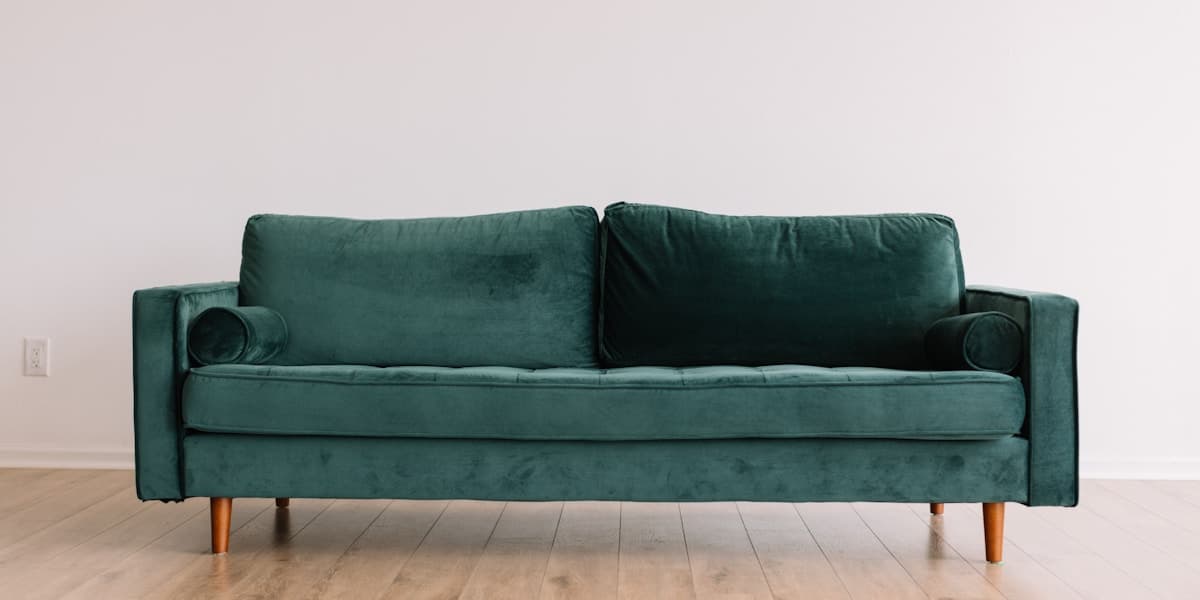
“Deep sofa” is slippery language. Retailers may be talking about seat depth, overall depth, chaise depth or just the general slouchy look. For small rooms, overall depth is the figure that bites first. A sofa with an 82 cm seat depth but chunky arms and a loose back cushion may be 108 cm deep in total. That extra 20 cm is the difference between a civilised route to the window and a daily shin-bash.
Seat depth matters for bodies, though. A typical upright sofa seat might be 52 cm to 60 cm deep. A relaxed sofa often sits around 60 cm to 70 cm. Proper loungey designs can run to 75 cm or more, which is bliss if you sit cross-legged or nap, less good if your feet don’t touch the floor and your lower back starts complaining after ten minutes.
Start with overall depth: under 95 cm is easiest in tight rooms; 95 cm to 105 cm needs checking; above 110 cm is a commitment.
A seat height of 43 cm to 48 cm suits many adults; lower lounge Sofas can look chic but feel awkward for knees.
Back cushions should support, not just photograph well. Feather-blend backs can sag unless you plump them daily.
Budget £800 to £1,500 for a decent new compact sofa, and £1,800 to £3,000 for more tailored upholstery. Price alone does not buy comfort.
The common mistake is reading “three-seater” as a useful measurement. Three-seaters can be 185 cm or 240 cm wide, and the arms can steal a surprising amount of usable sitting space.
[CLUSTER_SATELLITES]
Scale drawings beat product shots every time
A deep sofa needs a floor-plan test before it earns a deposit. You don’t need software. Masking tape on the floor is enough. Tape the full footprint, including chaise if there is one, then leave it there for two days. Walk round it with laundry. Open the cupboard. Pull the curtains. If the route to the kitchen becomes a sideways shuffle, the sofa has already told you no.
The number I care about is clearance. Aim for 75 cm to 90 cm of walkway where people pass regularly. You can live with 45 cm between sofa and coffee table if everyone is careful, but it feels mean. If the sofa faces a TV unit, check viewing distance too; a 55-inch TV in a 3 m room with a very deep sofa can push you closer than is comfortable, especially if the unit is also 40 cm deep.
Use newspaper or cardboard to mark the footprint if you haven’t got tape; it makes the bulk visible.
Keep 5 cm to 10 cm behind the sofa if there are curtains, sockets or skirting issues.
Think about the coffee table. A nest of tables or slim side table often works better than a central block in a small lounge.
For through-lounges, check the sightline from the front door; a huge sofa back can make a room feel cut in half.
The common mistake is measuring the wall and stopping there. Sofas live in three dimensions, and a deep one claims floor space even when nobody is sitting on it.
[CLUSTER_SATELLITES]
The sit-test still matters, even if sofa shopping feels broken
The recent r/AskUK thread asking how to find an “actually comfy sofa” felt painfully familiar because it exposed the gap between showroom comfort and real-life comfort. Ten minutes in a shop, wearing shoes and sitting bolt upright under bright lights, tells you something. It does not tell you how the cushions behave after two hours of telly, or whether the arm is high enough for a kip.
Still, sit-testing is better than buying blind. Bring the person who uses the sofa most. Sit how you sit at home, not how you think a polite adult should sit. If you curl up, curl up. If you need lumbar support, lean back and check whether your shoulders hunch. Take your shoes off if the shop allows it; the floor-to-seat relationship changes.
Spend at least 12 minutes on the sofa. Awkward, yes, but cheaper than regretting £2,400.
Check cushion recovery. Stand up and see whether the seat bounces back or keeps a crater.
Ask what is inside: foam is supportive, fibre feels soft but can flatten, feather mixes need plumping.
Look for removable covers only if you’ll actually wash them; some fabrics shrink slightly or pill after repeated Cleaning.
The common mistake is mistaking softness for comfort. A sofa that swallows you in the shop can become annoying at home when you’re trying to read, work or get back up with a cup of tea.
[CLUSTER_SATELLITES]
The counterargument: deep sofas are popular for a reason
The case for a deep sofa is not daft. British homes are often stressful little machines: shoes by the door, drying clothes in winter, one room doing five jobs. A generous sofa can be the one bit of the house that says stop. For families, a deeper seat can mean two people lounging without elbows. For tall buyers, it can finally support thighs properly. For renters who cannot paint, knock through or fit built-ins, a handsome sofa may carry the whole room.
There is also a style argument. The airier, softer silhouettes flagged in 2026 sofa trend coverage are a welcome break from rigid grey boxes. A deep sofa in bouclé, brushed cotton or a textured weave can make a plain white rental feel less temporary. I get it. I just think the fashion press is too casual about the square metres being sacrificed.
Choose deep if the room is at least 3.8 m one way and the sofa will not block a main route.
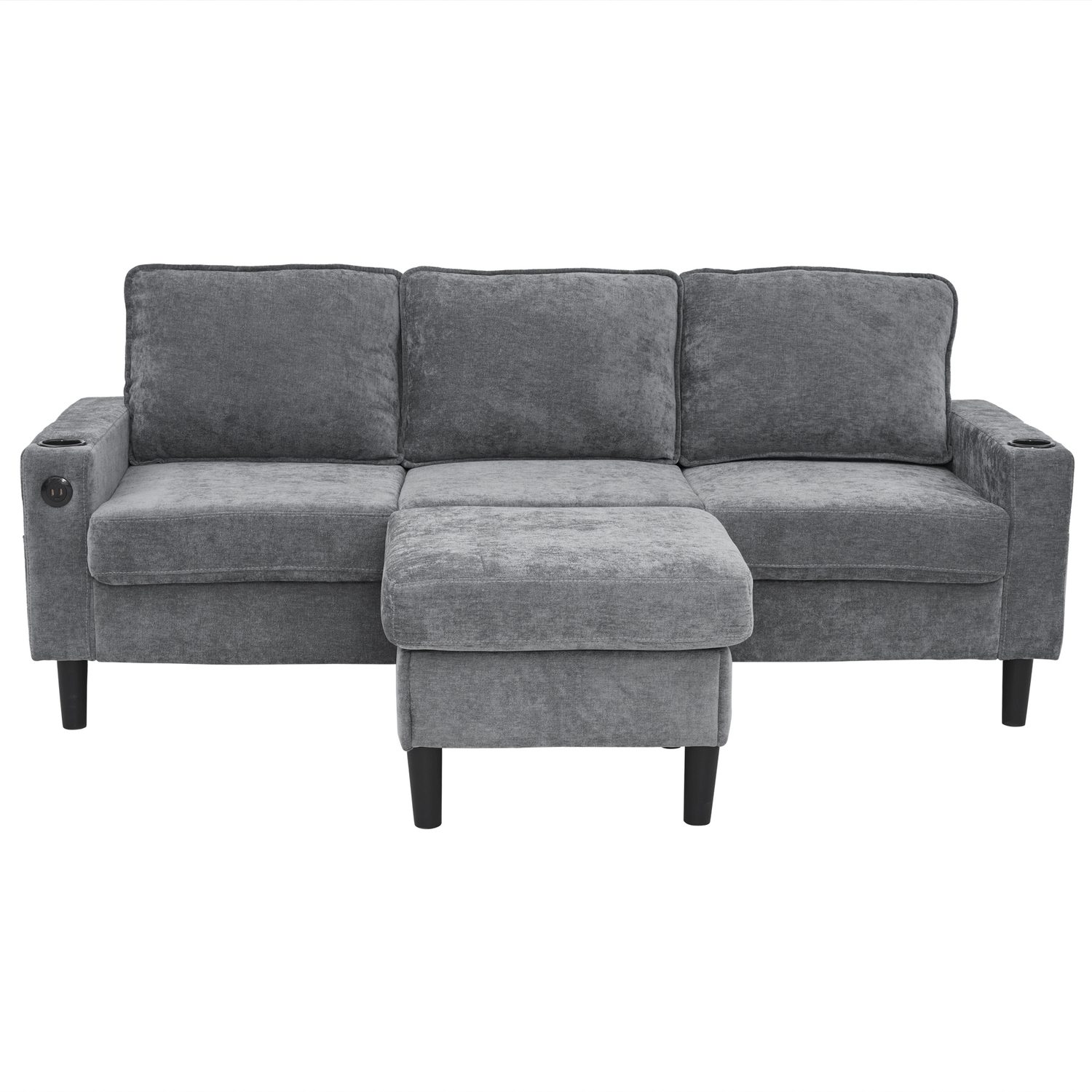
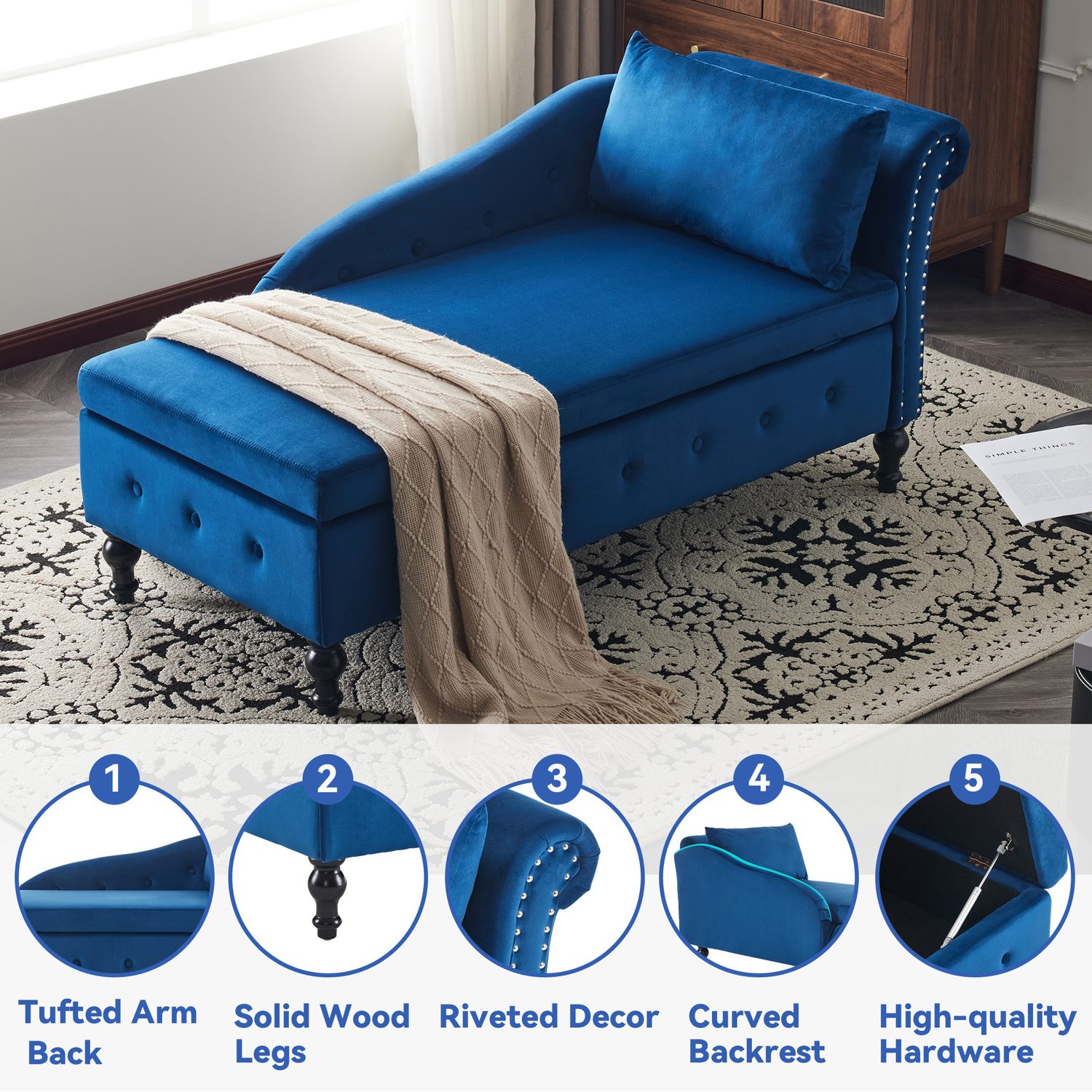
A compact chaise can work better than two separate armchairs, especially in rooms with one usable wall.
Low arms make a bulky sofa read lighter, though they are worse for leaning unless cushions fill the gap.
Expect textured pale fabrics to show denim transfer, pet hair and biscuit crumbs sooner than the moodboard suggests.
The common mistake is treating comfort as automatically worth the space. In a small room, space is comfort too.
[CLUSTER_SATELLITES]
Second-hand is a sensible rehearsal, not a failure
Another r/AskUK sofa thread described new sofas as a lottery and floated preloved buying as lower-risk than a £3,000 new purchase. That rings true. Second-hand is not just for bargain hunting; it is a way to test proportions before signing up to a large new piece. If you think you want a deep sofa, living with a used one for six months can teach you more than a Saturday in a retail park.
The snag is hygiene and hassle. You need to check for smells, stains, collapsed cushions and dodgy frames. Measure collection access at both ends. A £180 used sofa is not cheap if you pay £90 for a van, discover it won’t clear the stair turn and then have to book council collection.
Ask for overall width, depth and height in centimetres, not just “three-seater”.
Check fire safety labels; upholstered furniture sold on must comply with UK rules.
Budget £60 to £140 for a local van if you cannot collect, depending on distance and stairs.
Consider a washable throw during the trial period, but don’t let a throw hide a bad frame.
The common mistake is buying preloved in a panic because it’s cheap. Treat it like a rehearsal with measurements, or it becomes another bulky problem.
[CLUSTER_SATELLITES]
How to choose for your situation
Tight London flat
Choose a shallower sofa first, then add comfort with cushions and a footstool. In a room under 3.2 m wide, I’d be wary of anything above 100 cm overall depth unless the rest of the furniture is pared right back. Skip the central coffee table if it blocks the route; a side table is less glamorous but more decent day to day. If you’re browsing living room furniture, filter by dimensions before colour.
Victorian terrace with awkward rooms
Respect the chimney breast. A sofa that looks right against a long blank wall may feel lopsided once alcoves, radiators and bay windows enter the chat. Consider a 190 cm to 210 cm sofa with a supportive seat around 60 cm to 65 cm deep, then use a small chair in the alcove rather than forcing a giant corner sofa into a room that was never built for it.
Modern new-build with the opposite problem
Some new-build lounges are bland rectangles, which makes scale tricky in the other direction. A deeper sofa can anchor the space, but don’t let it become a beige island floating miles from the TV. Use a rug large enough to sit under the front legs, keep sockets reachable, and check that any chaise does not cut across patio doors or the route to the kitchen.
FAQs
Is the deep sofa trend worth it for a small UK living room?
Only if the footprint still leaves clear movement through the room. As a rule, keep at least 75 cm for main walkways and be cautious with sofas over 110 cm deep. A supportive 95 cm sofa is often better than a fashionable lounger that blocks the room.
What sofa depth is best for a small living room?
For many small UK rooms, an overall depth of 85 cm to 100 cm is the safer band. Seat depth around 55 cm to 65 cm gives comfort without forcing everyone into a reclined position. Tall sitters may prefer more, but the room still has the casting vote.
Should I buy a chaise sofa for a narrow living room?
A chaise can work if it sits against the least-used side of the room and does not block doors, bay windows or the route to the kitchen. In a narrow room, a movable footstool is often more savvy because it gives lounging comfort without a permanent obstruction.
How do I know if a sofa will fit through my front door?
Measure the sofa’s packaged height, width and depth, then measure the door, hallway, stair turn and any lift. Victorian conversions and flats above shops can be brutal for access. Removable legs help, but they don’t solve every angle.
Are soft sofas worse than firm sofas?
Not always. Soft fibre or feather mixes feel cosy but need plumping and may lose shape faster. Firmer foam can feel less luxurious at first, yet it often gives better support for everyday sitting. The best choice depends on how you actually sit.
Is buying a second-hand sofa a good idea?
It can be, especially if you’re unsure about depth or layout. Check the fire label, frame, odour and cushion condition, then factor in van costs. Preloved is sensible when it tests a decision, not when it creates a disposal headache.
What should I measure before ordering a deep sofa online?
Measure the sofa footprint, doorways, hallway turns, stair width, socket positions, radiator clearance and the space between sofa and TV. Tape the footprint on the floor for two days before ordering. If it annoys you in tape form, it will annoy you upholstered.
Before you fall for the next low-slung beauty in a cream boucle product shot, do the boring bit. Measure the room wall to wall, then measure the useful floor after radiators, alcoves, doors and walkways have taken their share. Tape out the sofa at full depth. Count the sockets it would cover. Sit-test anything you can, and if you’re unsure, try a second-hand shape before making a £3,000 commitment. The trend is not the enemy. Guesswork is. Start with the centimetres, then choose the sofa.
Villalta Home Editorial is the in-house byline used for buying guides and product roundups on villaltaco.uk. Each guide is written by the editorial team, drawing on the catalogue's measurable data — real dimensions, materials, UK use cases, price bands — and on hands-on research into how products actually perform in UK homes. Every post tagged with this byline is reviewed and approved by Juan Antonio Villalta Pacheco, the founder and editor, before it goes live. See our editorial standards for the full process.