
The brush on my bathroom shelf in a 62 cm-wide Victorian terrace sink gap has one button, a two-minute timer and a pressure light I can see in the mirror at 7:10. Next to it last month was a £249.99 model with an app dashboard, six modes and a charger puck that hogged the shaver socket. If you’re typing “do expensive electric toothbrushes clean better UK” after seeing that sort of price gap, the honest answer is less glamorous than the adverts suggest.
The short answer
Above roughly £50 to £80, an electric toothbrush in a UK bathroom does not clean meaningfully better unless its extra cost changes your behaviour: less scrubbing, full two-minute brushing and fresh heads. That is the falsifiable bit. A dearer handle can be worth it for a clear pressure sensor or easier grip, but app scores, endless modes and polished travel cases are rarely what gets plaque off your teeth.
The longer answer
What actually does the cleaning?
The useful work is boring: consistent movement, contact with the gumline, time on the teeth and a brush head that has not splayed into a sad little hedgehog. Most electric brushes already run at far more movement than a hand can manage, so the gap between a competent mid-price brush and a premium one is not usually raw cleaning power. Electric Teeth’s 2026 UK comparison makes the same practical point: in real-world use, there is little difference between leading sonic and oscillating-rotating cleaning results when the brush is used correctly. That last phrase is doing a lot. Correct use means two minutes, roughly 30 seconds per quarter of the mouth, gentle pressure and a slow move from tooth to tooth. If your morning is the school-run rush at 8:15, the timer is doing more for you than a seventh polishing mode.
Why does pressure feedback matter more than modes?
Most people who brush badly do not under-brush with too little enthusiasm; they attack their gums as if they are cleaning grout. A visible pressure sensor is one of the few premium-ish features we would pay extra for, especially if your hygienist has muttered about recession or abrasion. Electric Teeth specifically singles out pressure sensors as worth considering for people who brush too hard, and that matches what we see in normal homes: the red light or pulsing motor interrupts the habit. The caveat is visibility. Some lights sit on the back of the handle or glow too gently under a steamed-up bathroom mirror. A proper pressure alert should be obvious without checking an app. If you share a sink with someone who leaves toothpaste on the tap, you already have enough faff.
Are cheap electric toothbrushes good enough?
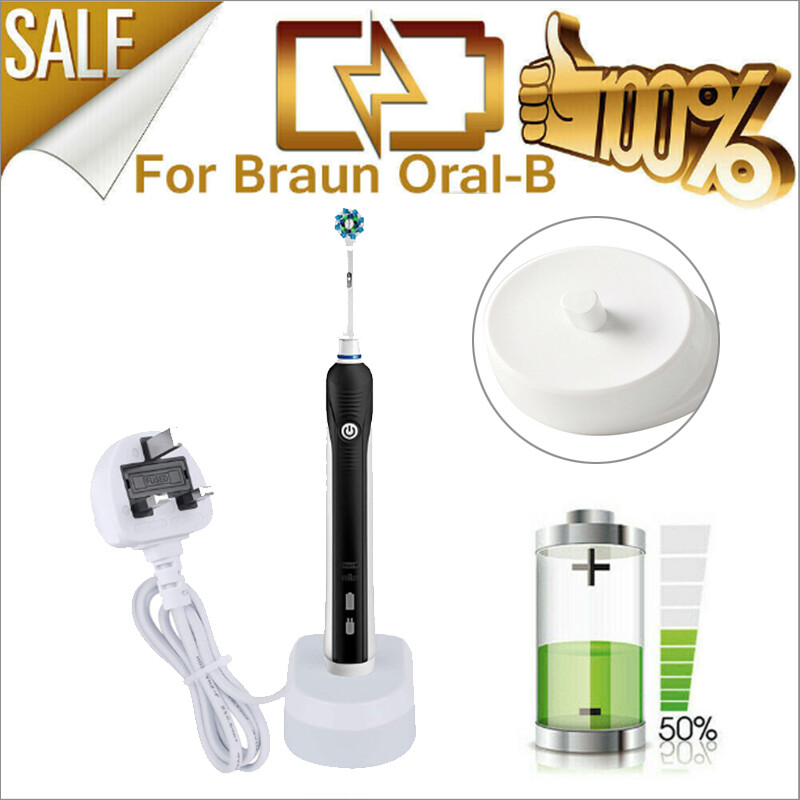
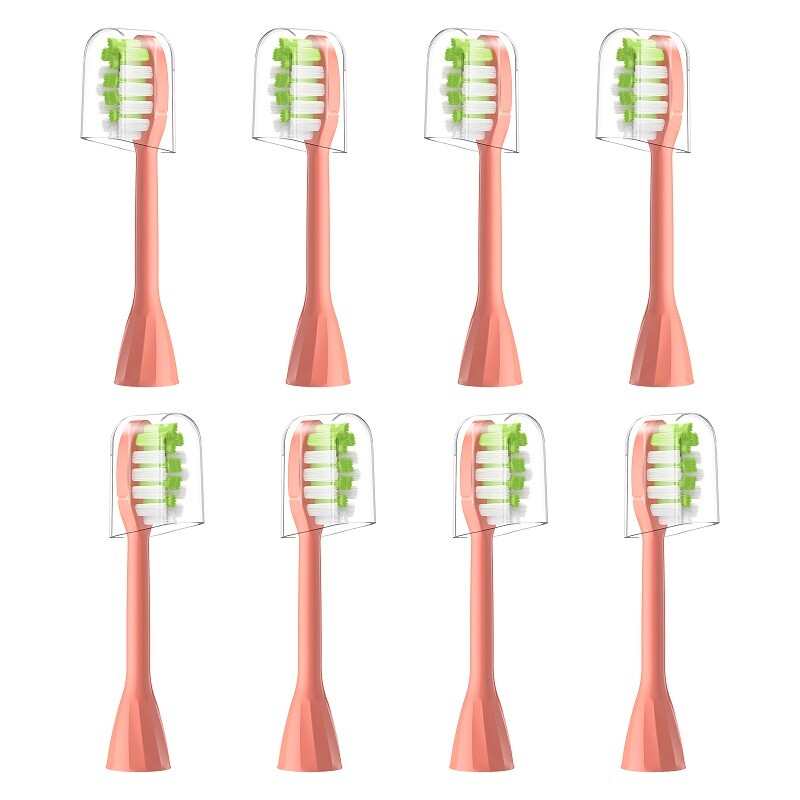
Some are. A £24.99 bargain-bin brush with no timer, a loose head fit and a charger that feels dodgy is not the savvy buy it first appears to be. But a basic rechargeable model with a two-minute timer, a clean head supply and a comfortable handle can do the job. Which? published an 11 August 2026 oral-care Best Buy round-up that included a lower-priced water flosser, an electric toothbrush and whitening toothpaste, which is a useful signal: tested practicality still matters more than luxury alone. The number to check before you buy is the ongoing head cost. If a four-pack is £18.99 and you replace every three months, that is £18.99 a year per person, before anyone loses one behind the cistern. Compatible replacement heads, where suitable for your handle, can be the more meaningful upgrade than replacing the whole brush.
What is the fair counterargument for expensive models?
The case for spending £150.00 or more is not silly. Better handles can have clearer pressure rings, quieter motors, longer battery life and grippier bodies for people with arthritis, braces or less dexterity. Some premium brushes also give coaching that helps a teenager stop missing the inside lower molars, and parents may find that visible feedback keeps a routine sorted. The answer is that these are compliance features, not magic cleaning features. If the dashboard genuinely makes you brush longer and softer after three months, it has earned its place. If you stop opening the app after week two, it becomes an expensive clock with Bluetooth. Bulbs are not included in this story, but replacement heads effectively are; without them, the smartest handle is blunt kit.
How does NHS dentistry change the way we should think about this?
NHS England’s dental care-pathways guidance, published in summer 2026, leans into an ongoing partnership between patients and oral-health teams, particularly for complex dental needs. That may sound distant from a bathroom charger base, but it matters. With NHS dentistry under constant pressure, the bit households can control is prevention at home: fluoride toothpaste, interdental cleaning, sensible sugar habits and brushing that actually happens twice a day. Buying a £219.99 brush does not buy you out of those basics. Nor does it replace a dentist. It may, for some people, provide a nudge. For most rented flats with one shaver socket and a cramped ledge, a reliable timer, pressure warning and cheap heads are the better use of money.
Related questions
What features should I pay for on an electric toothbrush in the UK?
Pay for a two-minute timer, a 30-second pacer and a clear pressure sensor before you pay for apps or extra modes. A decent battery and easy-to-buy heads matter too, because a brush that is flat or wearing a frayed head will not help you. Travel cases and screen animations are nice, but they are rarely the cleaning difference.
Is a sonic toothbrush better than an oscillating-rotating one?
No single electric toothbrush movement is automatically better for everyone if the brush is used correctly. UK testing coverage in 2026 found little real-world cleaning difference between leading sonic and oscillating-rotating designs. Pick the style you will use gently for two minutes, and listen to your dentist if they recommend one for your gums or orthodontic work.
How often should I change my electric toothbrush head?
Change an electric toothbrush head about every three months, or sooner if the bristles splay. A worn head can miss the gumline and encourages harder brushing, which is exactly what many people need to avoid. If your brush has a reminder bristle that fades, treat it as a prompt rather than a decoration.
Do toothbrush apps improve brushing?
Toothbrush apps improve brushing only if they change what you do every day. They can help you spot missed zones and keep to two minutes, especially at the start. The problem is novelty: plenty of people stop checking the app once the new-brush glow wears off, so the built-in timer and pressure light still matter more.
Can an expensive electric toothbrush damage gums?
An expensive electric toothbrush can still damage gums if you press too hard or scrub with it like a manual brush. Price does not protect enamel or gum tissue. A pressure sensor, soft head and gentle technique reduce that risk, but bleeding, pain or recession should be discussed with a dental professional rather than self-managed through settings.
So, do expensive electric toothbrushes clean better in the UK? Sometimes, but only by making you behave better. If you already brush twice a day for two minutes, use fluoride toothpaste, replace heads on schedule and do not mash your gums, a mid-price brush is likely enough. If you know you press too hard or quit after 50 seconds, pay for the loudest, clearest nudge you can afford. The war is not sonic versus rotating. It is timer and pressure versus human impatience.