Treat the wrist trace as evidence, not a diagnosis
The watch buzzed at 8:15 during the school-run scramble in a Stockport semi, just after two flights of narrow stairs and a hunt for one missing trainer. A 41 mm fitness tracker showed “possible AFib” after a 30-second wrist ECG, heart rate 118 bpm, and the hallway was only 82 cm wide so nobody was exactly standing still. The search that follows is usually some version of: fitness tracker ECG heart symptoms should I see GP UK? Here’s the sensible answer, without feeding the panic loop.
The short answer
Yes, speak to a GP or NHS 111 if a wrist ECG alert comes with symptoms, keeps recurring at rest, or follows fainting. Call 999 for chest pain, severe breathlessness, stroke symptoms, collapse or a crushing sense that something is badly wrong. A single odd trace while moving is not a diagnosis, but it is a reason to start a symptom diary and save the reading.
The longer answer
What can a wrist ECG actually tell you?
Most consumer wrist ECGs are single-lead recordings taken for about 30 seconds. The British Heart Foundation’s fitness-tracker guidance says these can help pick up abnormal rhythms such as atrial fibrillation, but they are not a substitute for medical advice. That distinction matters. A single-lead ECG is a narrow view of the heart’s electrical activity; a hospital or GP 12-lead ECG sees more. The tracker may be genuinely useful, especially if it catches an episode you can’t reproduce in a 10-minute appointment. It may also be inconclusive because your hand moved, the strap was loose, your skin was cold, or you were breathing hard after the bins and the school bags.
Why does a diary beat repeated checking?
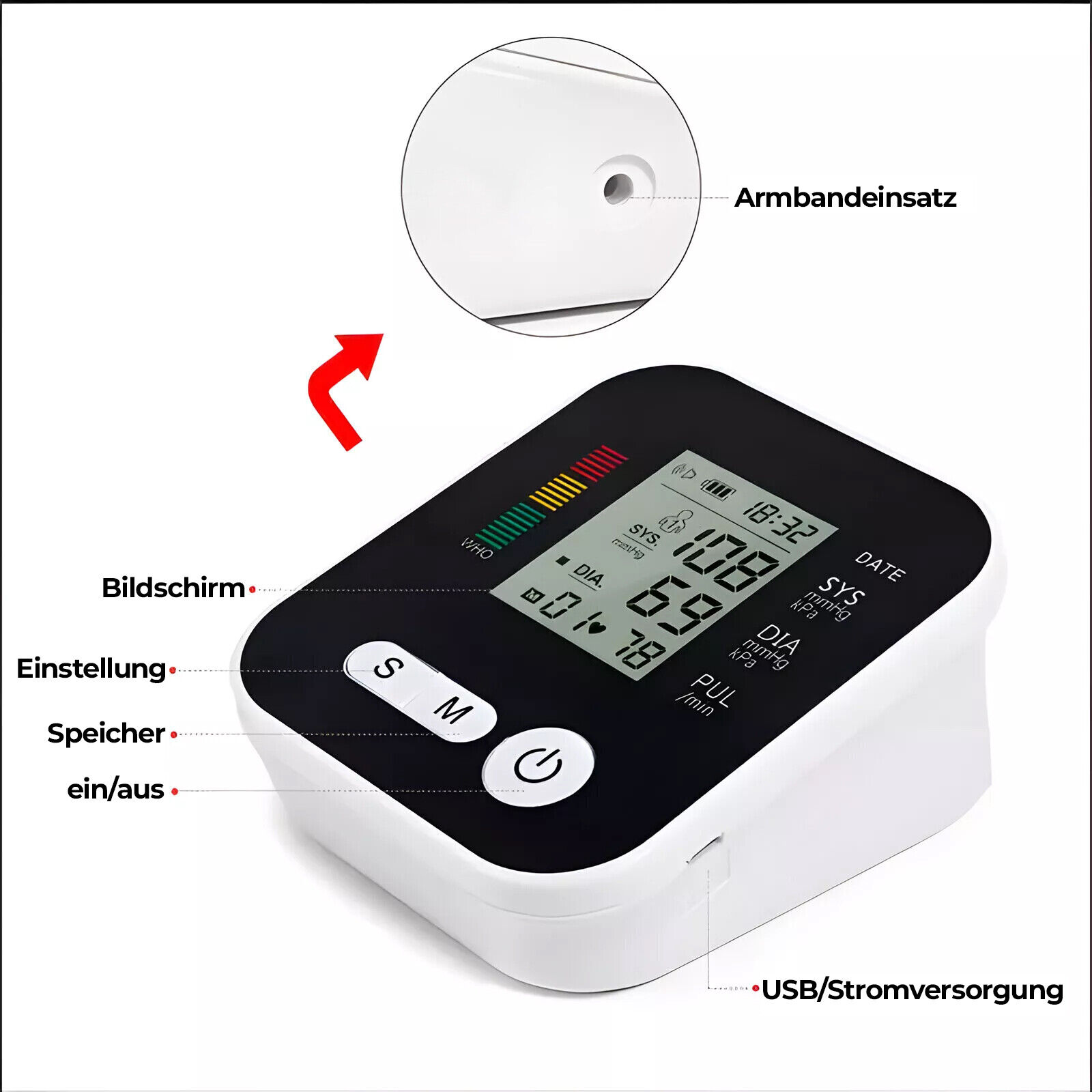
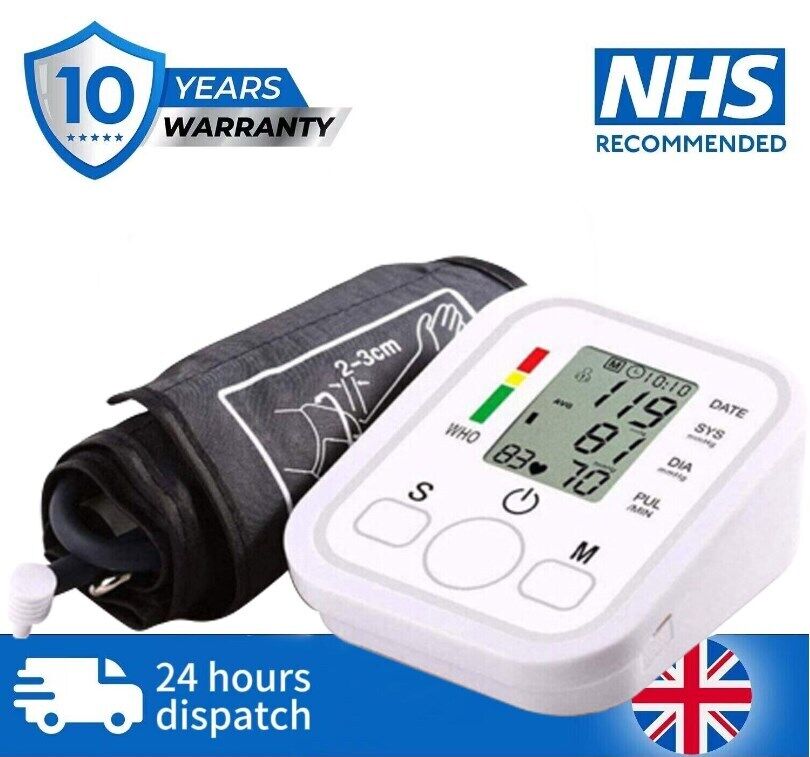
A wrist ECG should change what you record and how soon you seek help; it should not, by itself, decide whether your heart is safe. Write down the date, time, reading, heart rate, what you were doing in the previous 10 minutes, and the symptoms: palpitations, dizziness, chest tightness, breathlessness, fainting, or none at all. Note caffeine, alcohol, missed sleep and a dodgy cold. If you have a decent upper-arm blood pressure monitor, sit for five minutes, feet flat, cuff at heart height, then take two readings one minute apart. A typical entry might read: “21:40, sofa, ECG possible AFib, pulse 104, BP 132/84, fluttering for 6 minutes, no chest pain.” That is far more useful than twenty panicked retests.
When should you move from diary to doctor?
Book a GP appointment if you get repeated possible AFib readings while resting, new palpitations that keep returning, dizziness, blackouts, unexplained breathlessness, or a family history that makes you uneasy. Use NHS 111 if you are unsure how urgent it is and symptoms are happening now. Use 999 for chest pain, fainting with injury, severe breathlessness, blue lips, stroke signs, or a sudden severe episode that feels unsafe. In the UK, a GP may arrange a 12-lead ECG, blood tests, or an ambulatory monitor. The BHF reported on 31 August 2026 that a 14-day chest-worn monitor after unexplained fainting more than doubled detection of rhythm problems compared with standard care, which shows why longer clinical monitoring can change the answer.
Is the counterargument fair: should we trust the alert?
Yes, partly. Wearable heart monitoring has proper promise. Some people only discover an intermittent rhythm problem because a tracker noticed it at home, long before a clinic machine caught it. A £39.99 tracker and a £399.00 tracker can both prompt a useful conversation if the trace is clear and the symptoms fit. The risk is treating a consumer alert as the final word. In one Reddit fitness-tracker thread from August 2026, repeated AFib readings drew immediate replies telling the poster to see a doctor and asking about a real ECG or heart monitor. In a cardiophobia discussion the same month, people worried that smartwatch traces might be artefact. Both reactions are understandable. The savvy middle ground is: take the alert seriously enough to get assessed, not so literally that you diagnose yourself at midnight.
What belongs in a home health-monitoring kit?
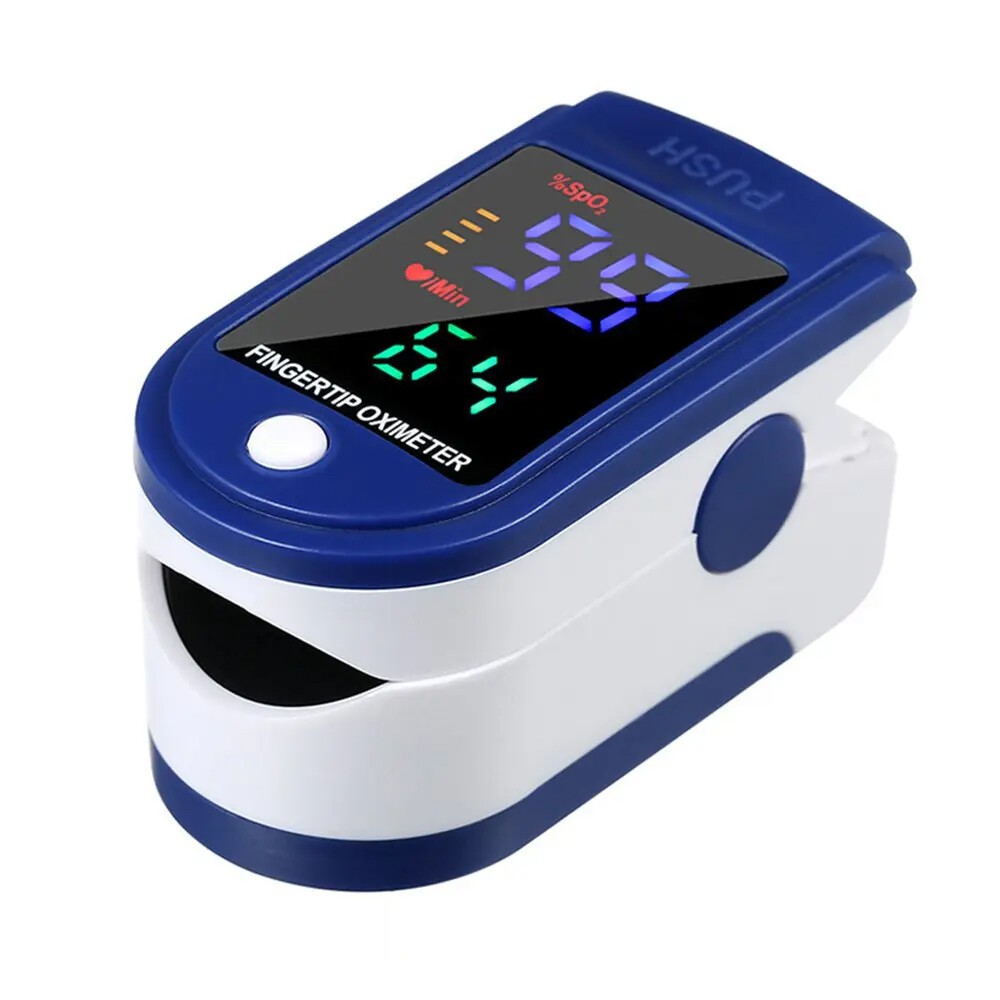
If you are already tracking symptoms, keep the kit boring. A wrist tracker may capture rhythm clues. An upper-arm blood pressure cuff can add blood pressure and pulse readings, provided the cuff fits and you use it consistently. A finger pulse oximeter can show oxygen saturation during breathlessness, though cold hands and nail polish can skew it. None of these gadgets rule out heart disease. They are evidence-gathering tools. Our health monitoring view is simple: the less dramatic the kit feels, the more likely you are to use it properly, rather than turning every buzz into a faff.
Can a fitness tracker ECG detect a heart attack?
No. A fitness tracker ECG is not designed to rule in or rule out a heart attack. If you have chest pain, pressure spreading to the arm, jaw or back, severe breathlessness, sweating, faintness or a frightening sudden change, call 999 rather than waiting for a wrist reading to make sense.
What should I take to my GP after an AFib alert?
Take the saved ECG trace or PDF, screenshots of alerts, and a short symptom diary with times, pulse readings and what you were doing. Include blood pressure readings if you have used a cuff correctly. The GP is looking for a pattern, not a perfect spreadsheet, so keep it clear and honest.
Can anxiety cause an abnormal smartwatch ECG reading?
Anxiety can raise your heart rate, make your hands shake and lead to poor contact with the watch, all of which can produce inconclusive or worrying-looking traces. It does not mean every alert is anxiety. If abnormal readings repeat at rest or come with symptoms, speak to a clinician.
Is a wrist ECG better than a blood pressure monitor or pulse oximeter?
No single home device is better for every heart concern. A wrist ECG looks for rhythm clues, a blood pressure monitor measures pressure and pulse, and a pulse oximeter estimates oxygen saturation. They answer different questions. If symptoms are significant, the right next step is medical assessment.
How many abnormal fitness tracker ECG readings mean I should book a GP appointment?
One abnormal reading with fainting, chest pain, severe breathlessness or new neurological symptoms needs urgent help. Repeated possible AFib readings at rest, even without dramatic symptoms, are enough to book a GP appointment. Do not wait for a magic number if your body feels wrong.
Can I ignore an inconclusive ECG if I feel fine?
A single inconclusive ECG after movement, cold hands or a loose strap is common and often not urgent if you feel completely well. Repeat it later while seated and calm. If inconclusive readings keep happening alongside palpitations, dizziness or breathlessness, log them and get advice.
The Stockport school-run alert is exactly the sort of moment where a wrist ECG can either help or send you into a spiral. Sorted looks like this: stop retesting, sit down, save the trace, write the context, and decide urgency from symptoms as much as the screen. If the alert repeats or your body is giving you warning signs, let a GP, NHS 111 or emergency care take it from there.