My useful test for hallway clocks came from a Walthamstow rented flat with an 83 cm-wide hall, a radiator sticking out by 9 cm and pram wheels parked by the front door during the 8:15 school-run rush. A 60 cm clock looked dramatic online, then arrived and behaved like a pub sign over the meter cupboard. A 40 cm one, hung 18 cm above a slim console, looked sorted. That is the thing with statement clocks in UK hallways: diameter matters more than bravado, silent movement is only silent if the mechanism is decent, and any cable showing near coats and keys will look dodgy within a week. This roundup picks clocks by hallway reality, not showroom fantasy.
How I’m thinking about hallway clocks
For most Victorian terraces, Manchester new-build corridors and narrow flat entrances, the sweet spot is 38 cm to 52 cm diameter. Below 35 cm can feel apologetic unless the colour is punchy. Over 60 cm needs breathing room: a half-landing, a wide stair wall or a hall wider than about 105 cm. As a rule, leave at least 10 cm of wall either side of the clock, and more if it sits near a door frame.
Silent movement matters because hallways carry sound. A ticking clock outside a bedroom can be weirdly loud at 1am, especially in flats with hard floors and thin internal doors. I’ve given preference to sweep or advertised silent quartz movements, but I’d still avoid hanging any quartz clock on a shared bedroom wall if you’re a light sleeper.
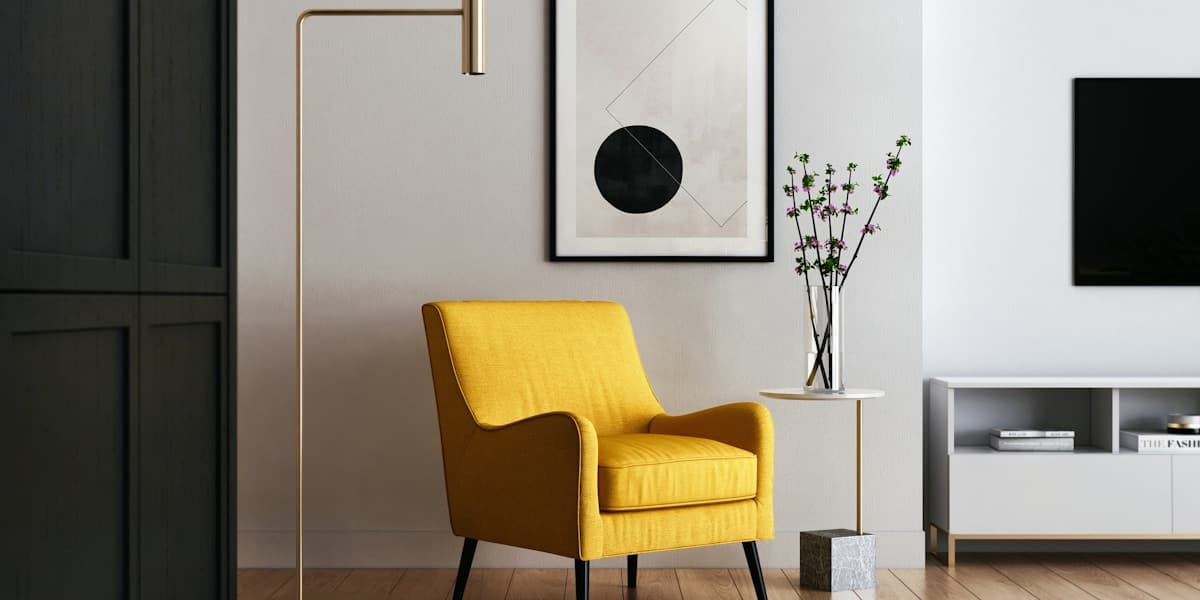
Cable tidy is the forgotten bit. Most proper hallway wall clocks run on one AA battery, which is ideal. Mains-lit or LED clocks can work in a windowless hall, but only if the plug route is neat and safe; a black cable drifting down a white wall towards a BS 1363 socket ruins the look. For more hallway finishing ideas, our home decor edit has the pieces that usually sit around the clock: mirrors, hooks and low-maintenance greenery.
Sharp caveat: if a clock needs a plug, the cable becomes part of the design. If you can’t hide it in a corner, trunk it cleanly or run it behind furniture, buy a battery clock instead.
Best overall — Newgate Mr Clarke Large Wall Clock, 50 cm · £125.00
The Newgate Mr Clarke is the one I’d put in a proper everyday hallway: big enough to read while tying shoes, restrained enough not to shout at the coats. The 50 cm diameter is a strong size above an 80 cm to 100 cm console table, or on the wall opposite the front door if your hall is at least 90 cm wide. It runs on a single AA battery and uses a silent sweep movement, so it avoids the cheap tick that can make a hallway feel like a waiting room.
The design is clean: pale face, simple numerals, slim hands. That also means it needs contrast around it. On a white wall with weak north-facing light, it can read a bit flat unless you give it a darker console, a framed print nearby or a plant with height. It is not a bargain clock, and at £125.00 you are paying for a calmer finish rather than extra cleverness. Still, it’s the most balanced pick here.
Best budget oversized clock — Habitat 60 cm Black Metal Wall Clock · £50.00
This Habitat clock is the budget move if you want size without spending three figures. At 60 cm across, the open metal frame gives you scale but not a solid disc of visual weight, so it can survive in a stairwell or wider hallway where a filled-in clock would look bossy. It is especially good on pale walls because the black outline gives instant structure.
The trade-off is noise and finish. Some budget quartz movements have a faint tick, and in a quiet hallway you may notice it once the house has gone to kip. The black metal can also show dust along the upper edge, and fingerprints appear if you handle it without a cloth. I’d use this on a landing, not outside a bedroom door. For £50.00, though, it gives a lot of wall presence.
Best for narrow hallways — Jones Clocks The Studio Wall Clock, 40 cm · £44.99
For a slim rented flat hallway or a corridor where people brush past with bags, 40 cm is often the smarter statement. Jones Clocks’ Studio model gives you a graphic face without the awkward overhang of a giant clock squeezed above a light switch. It sits at about 40 cm diameter and roughly 5 cm deep, so it has enough projection to look intentional but not enough to snag a coat sleeve.
The silent sweep movement is the main win at this price. It is the clock I’d pick for a hallway next to bedrooms or a home office, where ticking becomes irritating once you hear it. The caveat is the frame: close up, it doesn’t have the heft of pricier metal or wood options. In a hallway, that matters less because most people see it in passing. At £44.99, it’s decent value and easy to live with.
Best warm metal option — Karlsson Charm Engraved Numbers Wall Clock, 40 cm · £76.95
Karlsson’s 40 cm Charm clock is for hallways that already have black door furniture, brass picture lights or a warmer palette. It feels more decorative than the Newgate, with engraved-style numerals and a softer metallic finish. In a small hallway, 40 cm is enough; the colour does the statement work rather than pure size.
The movement is sold as silent, and the single AA battery keeps the wall free of cable faff. The compromise is legibility. Warm metal faces and slim hands can be harder to read in a dim hall, particularly if you have no natural light near the front door. I’d avoid it on a gloomy wall unless you have a ceiling light directly nearby. It is prettiest in good light, which is both its charm and its weakness.
Best for stair landings — Thomas Kent Arabic Wall Clock, 51 cm · £79.99
The Thomas Kent Arabic clock suits the spot many UK houses actually have: the big blank wall on a half-landing above narrow stairs. At 51 cm, it has enough diameter to be read from below without needing the full width a 60 cm clock demands. The raised numerals give it depth, and the resin body keeps the weight manageable for a standard picture hook and wall plug, assuming you fix into a sound wall.
It has a slightly country-house feel, so it may not suit a very crisp new-build hallway. It is also not the quietest-looking design; the numerals are bold and you’ll either like that or find it a bit Sunday-lunch pub. Mechanism noise varies by model batch, so I would not place it by a bedroom unless you can return it after a night’s test. For a stair wall, it has proper presence at £79.99.
Best lit option if you hate dark halls — Acctim radio-controlled LED wall clock, 30.5 cm · £59.99
A lit wall clock is rarely the chicest answer, but in a windowless hallway it can be genuinely useful. Acctim’s radio-controlled LED models, typically around 30.5 cm wide, prioritise clear digital time and automatic accuracy. This is the one for people who leave the house early, forget to change clocks in March and October, or need a quick glance before the train.
The issue is the cable. Some models are mains powered, and that means you need a socket route that doesn’t cut across the wall or trail near the skirting where shoes and brollies live. White mini trunking can look tidy if it runs vertically into a corner; loose cable looks grim. It also reads more practical than decorative, so I’d only choose it for function-led spaces, not a hall where you’re trying to make a soft first impression.
Clock
Diameter
Typical price
Movement / power
Best placement
Newgate Mr Clarke Large
50 cm
£125.00
Silent sweep, AA battery
Above console in a 90 cm+ hall
Habitat Black Metal
60 cm
£50.00
Quartz, AA battery
Wide hall or stair wall
Jones Studio
40 cm
£44.99
Silent sweep, AA battery
Narrow flat hallway
Karlsson Charm
40 cm
£76.95
Silent quartz, AA battery
Warm, well-lit entrance
Thomas Kent Arabic
51 cm
£79.99
Quartz, AA battery
Half-landing or stairwell
Acctim LED radio-controlled
30.5 cm
£59.99
Mains or adaptor powered
Windowless practical hall
What to put near a statement hallway clock
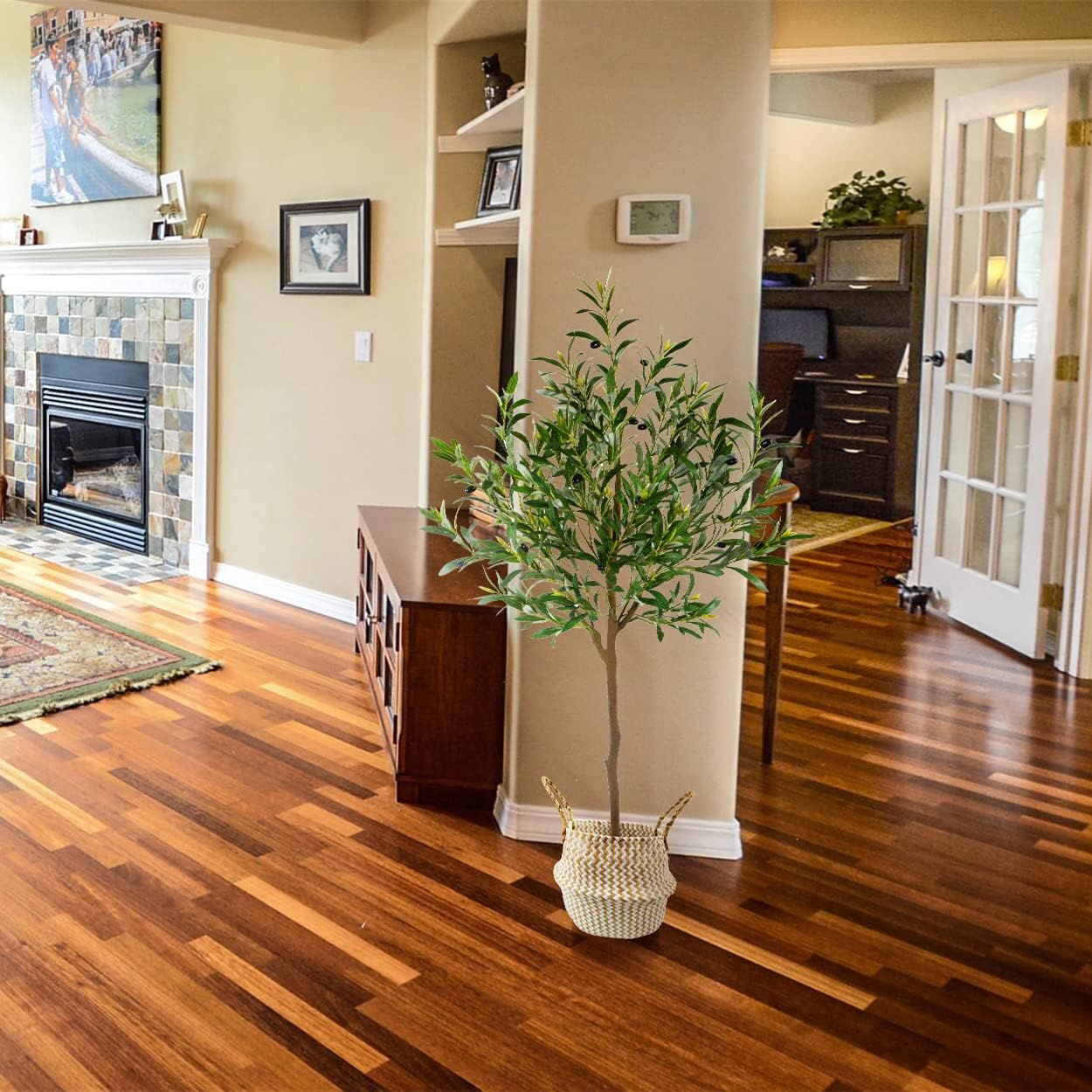
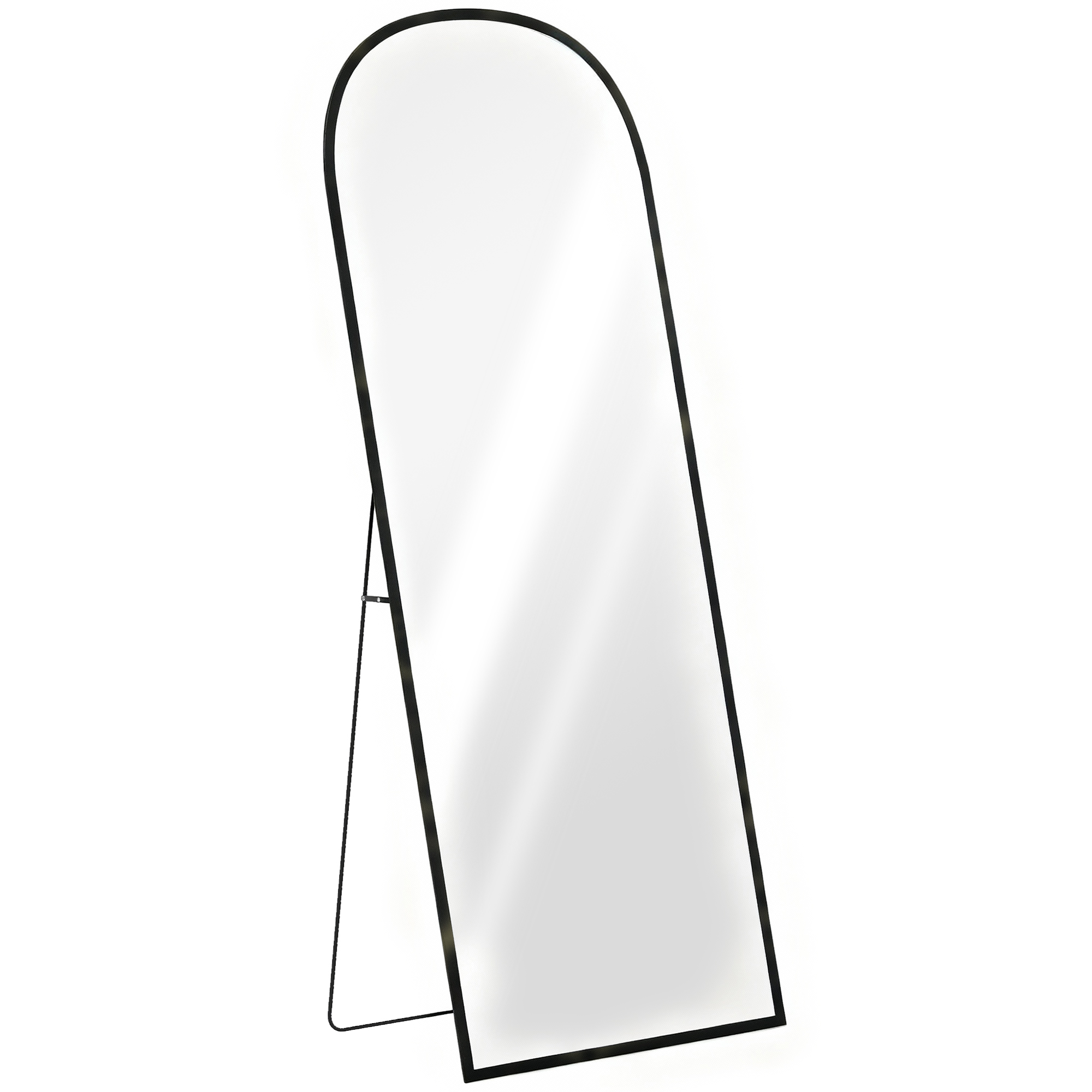
A clock looks better when it has a job in the wider entrance setup. If your keys end up on the floor, the Novelty Thumb Wall Hooks are playful rather than posh, but they solve the daily key-and-lanyard mess. A tall mirror can balance a large round clock on the opposite wall; the 165 cm black full-length standing mirror has the right lean for a modern hallway if you have the floor space. In a wider entrance, a compact artificial tree such as the 105 cm artificial olive tree softens all the hard circles and rectangles without needing daylight.
FAQs
What size statement clock works best in a UK hallway?
A 38 cm to 52 cm clock suits most UK hallways. Go closer to 40 cm in a narrow rented flat corridor, and choose 50 cm or more only if the wall has clear space around it.
Do I need a silent movement for a hallway clock?
Yes, choose a silent sweep movement if the hallway is near bedrooms or a home office. A ticking clock may seem fine by day, then sound much louder at night on hard floors.
How high should I hang a hallway wall clock?
Hang the centre of the clock roughly 150 cm to 160 cm from the floor for normal eye level. If it sits above a console table, leave about 15 cm to 25 cm between the tabletop and the bottom of the clock.
Can I hang a large clock in a rented flat?
You can hang a large clock in a rented flat, but use a proper wall fixing and check your tenancy rules first. Adhesive strips are better for small, light clocks; a 50 cm clock usually deserves a screw and wall plug.
How do I hide a cable for an LED hallway clock?
Use slim cable trunking in the wall colour and run it straight down a corner or behind furniture. Do not trail a cable across a hallway route, because it looks messy and can become a trip hazard.
My pick
If you want one statement clock for a normal UK hallway, I’d buy the Newgate Mr Clarke in 50 cm. It is large enough to feel deliberate, quiet enough for real homes and battery powered, so there is no cable to tidy. If your hall is tight, save the money and get the 40 cm Jones Studio. If your blank stair wall needs drama, the Habitat 60 cm clock is the savvy budget play.
Villalta Home Editorial is the in-house byline used for buying guides and product roundups on villaltaco.uk. Each guide is written by the editorial team, drawing on the catalogue's measurable data — real dimensions, materials, UK use cases, price bands — and on hands-on research into how products actually perform in UK homes. Every post tagged with this byline is reviewed and approved by Juan Antonio Villalta Pacheco, the founder and editor, before it goes live. See our editorial standards for the full process.