The saddest plant I’ve seen this year was a basil pot trying to survive on a 24 cm kitchen sill in a north-facing Manchester new-build, wedged between a kettle and a BS 1363 double socket. It cost £2.10 and lasted nine days. Low-light flats are not impossible, but they are less forgiving than plant labels suggest: the back of a Victorian terrace living room can be two or three metres from proper daylight, and that gap matters. I’ve kept the list to plants I’d actually buy for a dim UK flat, with the care schedule I’d stick on the fridge rather than the heroic one on Instagram.
How I’m thinking about low-light plants
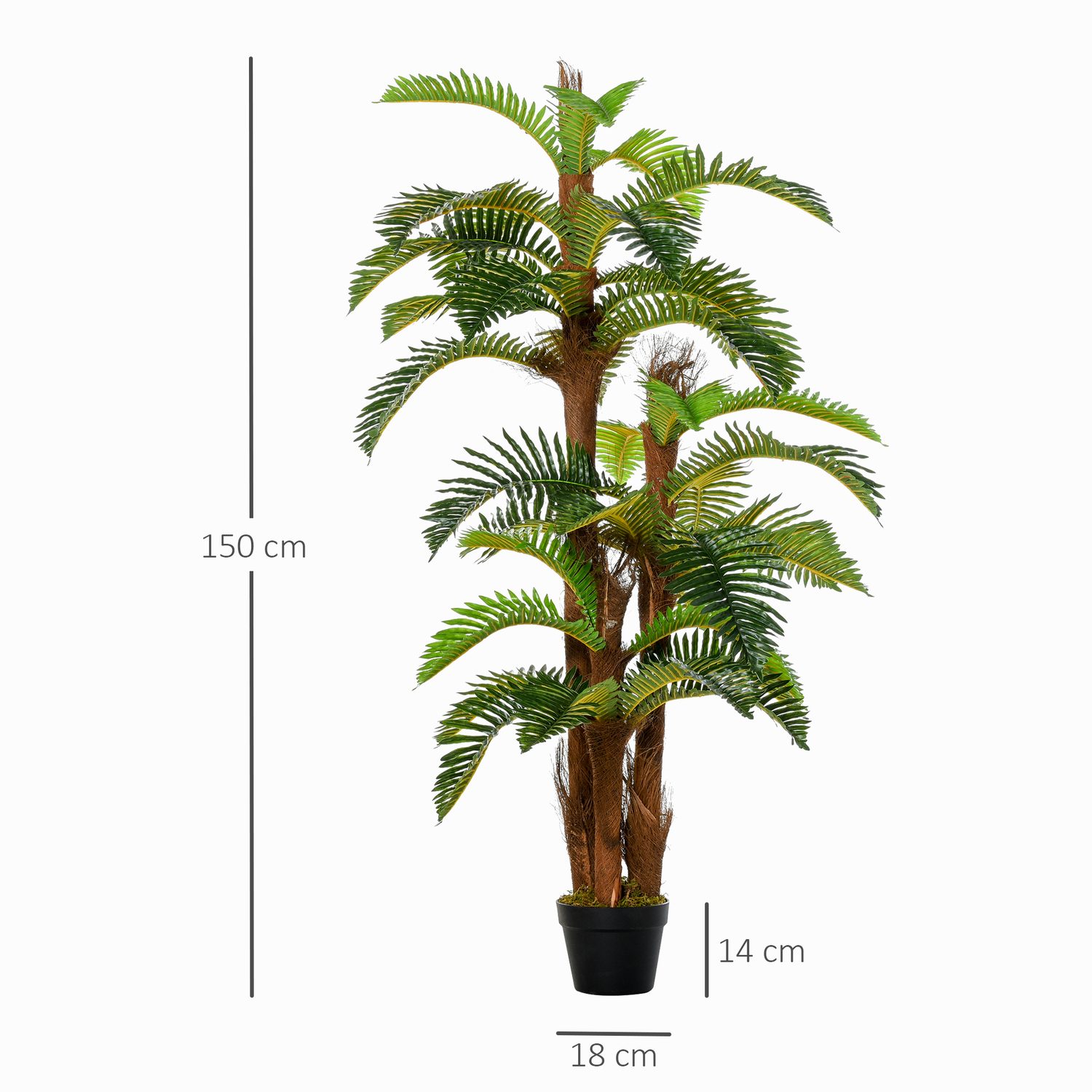
“Low light” does not mean no light. It means a plant can cope away from a bright sill, usually in a north or east-facing room, or 1.5 m to 3 m back from a window. If the room has no window, skip the living plant and use something faux from artificial plants; the 150 cm artificial tropical fern is a decent cheat for a hallway that gets no daylight at all.
I’ve weighted these picks for UK flats: small pots, narrow shelves, rented flats where you can’t drill without a landlord email, and rooms that sit at 17°C for half the winter. I’d rather recommend a slower plant that stays alive than a dramatic one that sulks by Bonfire Night. Pots are usually sold by nursery pot diameter, so a 12 cm plant may still be only 35 cm tall.
Sharp caveat: if you can’t comfortably read a paperback in that spot at midday with the lights off, it is too dark for a live houseplant long term. Rotate the plant to a brighter sill for a week each month, or go artificial and save yourself the faff.
There is a style point too. A glossy ZZ plant reads more polished in a living room; a pothos softens shelves; a snake plant is architectural enough to count as home decor, not just greenery you forgot to water.
Best all-rounder for dim corners — Snake plant · £12.00–£35.00
The snake plant, often still sold as Sansevieria though it now sits under Dracaena, is the one I’d put beside a sofa in a low-light flat. A 12 cm pot is usually about 30 cm to 45 cm tall; a 17 cm pot can hit 60 cm to 75 cm. It has upright, sword-like leaves, so it gives height without needing much floor space. That matters in a narrow bay-fronted room where every centimetre between the coffee table and the telly is contested.
The trade-off is speed. It won’t give you instant jungle. In low light it may sit there for months doing very little, which is fine if you want calm but disappointing if you like visible growth. The biggest killer is soggy compost. Water every four weeks in spring and summer, every six to eight weeks in winter, and only when the top 5 cm of compost is dry. Use a pot with drainage; a decorative cachepot is fine, but tip out standing water after ten minutes.
One caveat for pet owners: snake plants are mildly toxic if chewed. Most cats ignore the stiff leaves, but a bored kitten in a rented flat can be a proper menace.
Best for people who forget plants exist — ZZ plant · £14.00–£45.00
The ZZ plant is the most forgiving low-light plant I’d recommend for a UK flat. It has waxy, oval leaves on thick stems, usually 45 cm to 75 cm tall in a 14 cm to 19 cm nursery pot. It stores water in chunky rhizomes under the soil, which is why it survives the sort of care schedule that would finish off a fern.
It suits a sideboard, office corner or the blank patch next to a bookcase. In gloomy light it stays glossy, although it grows slowly and can become a bit lopsided as stems lean toward the window. Turn the pot a quarter turn every fortnight. Water every three to four weeks in warmer months and every six weeks in winter. If the stems yellow from the base, you have probably overwatered rather than underwatered.
The caveat is that ZZ plants can look oddly plastic, which some people love and some people find a bit corporate reception. The sap can irritate skin, and the plant is toxic to pets, so don’t park it at Labrador nose height.
Best trailing plant for shelves — Golden pothos · £8.00–£25.00
Golden pothos is the best low-light trailing plant for renters because it gives impact from a small pot. A 12 cm plant at £8.00 to £14.00 can trail 30 cm within a season; a fuller 15 cm hanging pot may be £18.00 to £25.00 with 60 cm vines already started. It looks good on top of a wardrobe, on a kitchen shelf, or draped from a bookcase if you don’t mind a bit of plant theatre.
Here is the snag: pothos tolerates low light, but variegated leaves lose their creamy yellow markings in very dim rooms. The plant stays alive, yet it turns greener and slower. It also needs somewhere to go. Self-adhesive hooks can work on painted walls, but they sometimes pull off emulsion in older flats, so use a shelf or a removable tension pole if your tenancy deposit is at stake.
Water every 10 to 14 days in spring and summer, then every two to three weeks in winter. Let the top 3 cm of soil dry first. If leaves curl inward, it is thirsty; if stems turn soft, you’ve overdone it. It is also toxic if eaten by pets.
Best for old, draughty rooms — Cast iron plant · £25.00–£65.00
Aspidistra, the cast iron plant, is not glamorous in the flashy sense, but it earns its name. It handles shade, cooler rooms and the inconsistent heating of Victorian terraces better than most leafy houseplants. Expect £25.00 to £35.00 for a 40 cm plant in a 15 cm pot, or £50.00 to £65.00 for a fuller 70 cm to 80 cm specimen.
The leaves are broad and dark, so it brings weight to a fireplace alcove or the end of a hallway. It does not need much attention: water every two to three weeks in warmer months, stretching to every four to six weeks in winter. Wipe the leaves monthly because dust shows up and blocks light, especially in flats near a busy kerb.
The trade-off is price and pace. Aspidistras are dearer than pothos and ZZ plants, and they grow at a kip-inducing speed. If you want a plant that visibly changes every week, this is not it. If you want one that keeps going through February, sorted.
Best if you want flowers in low light — Peace lily · £10.00–£30.00
Peace lilies are often sold as low-light plants because they cope in shade better than many flowering houseplants. A 13 cm pot is usually £10.00 to £16.00 and 35 cm to 50 cm tall; a larger 17 cm pot may be £22.00 to £30.00. They suit bedrooms and living rooms where you want softer leaves rather than the sculptural look of a snake plant.
The honest bit: peace lilies flower best in bright indirect light, not the gloomy middle of a flat. In low light you may get glossy leaves and the odd white spathe, but not a constant display. They also droop dramatically when dry, which is useful if you like a visual reminder and irritating if you wanted something quietly tough.
Water weekly in summer, every 10 to 14 days in winter, but check the compost first. They dislike sitting wet. Keep away from cold draughts and radiators, and avoid if you have pets that chew foliage because peace lilies are toxic.
Best no-light cheat — Faux fern or ficus · £35.00–£90.00
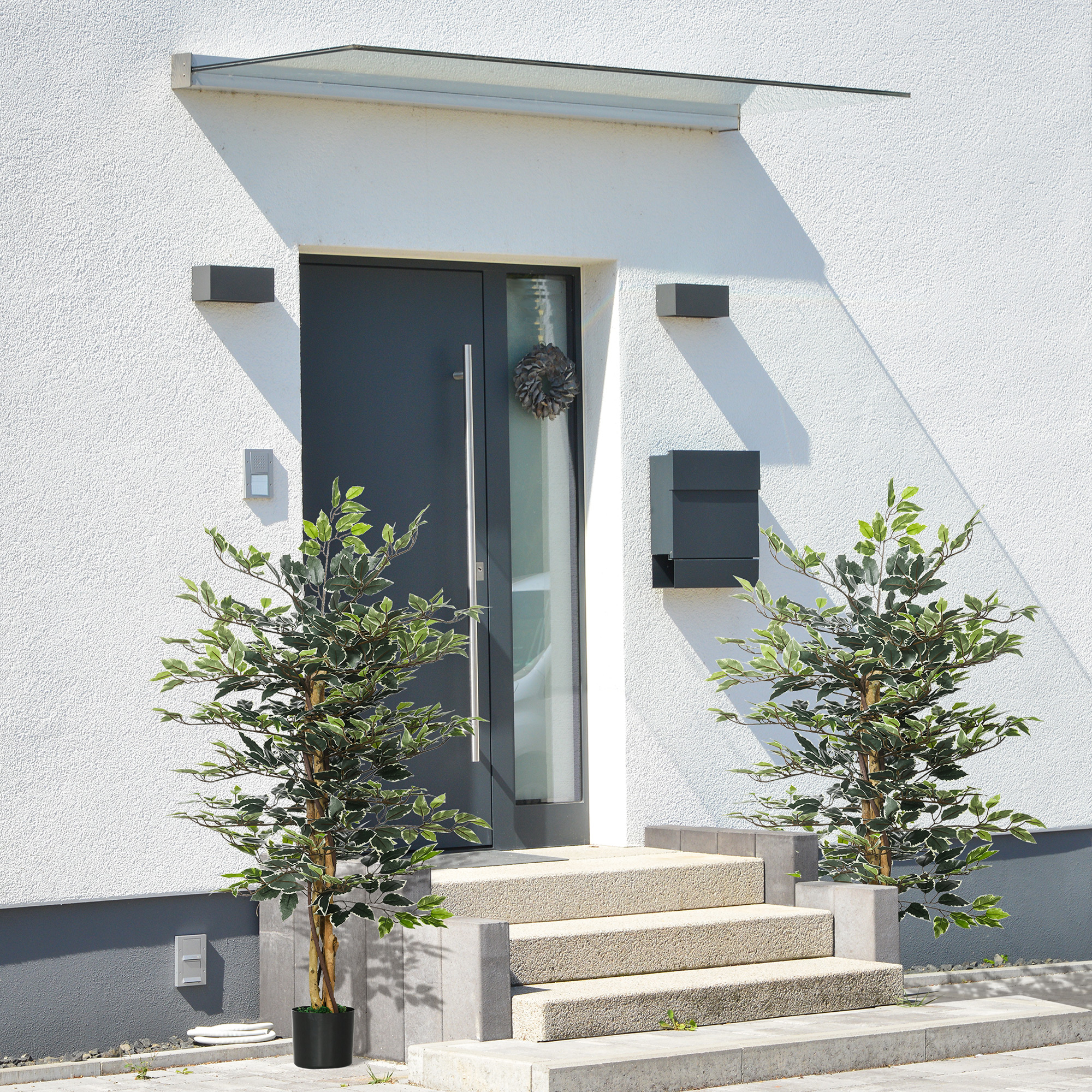
There are places in UK flats where a living plant is just being set up to fail: internal hallways, windowless bathrooms, and the dark corner behind a sofa that only sees daylight reflected off next door’s brick wall. For those spots, I’d rather use a convincing artificial plant than buy a live one every six months. Villalta Home Co.’s artificial tropical fern gives soft height at 150 cm, while the set of two 130 cm artificial ficus trees works well either side of a console or patio door.
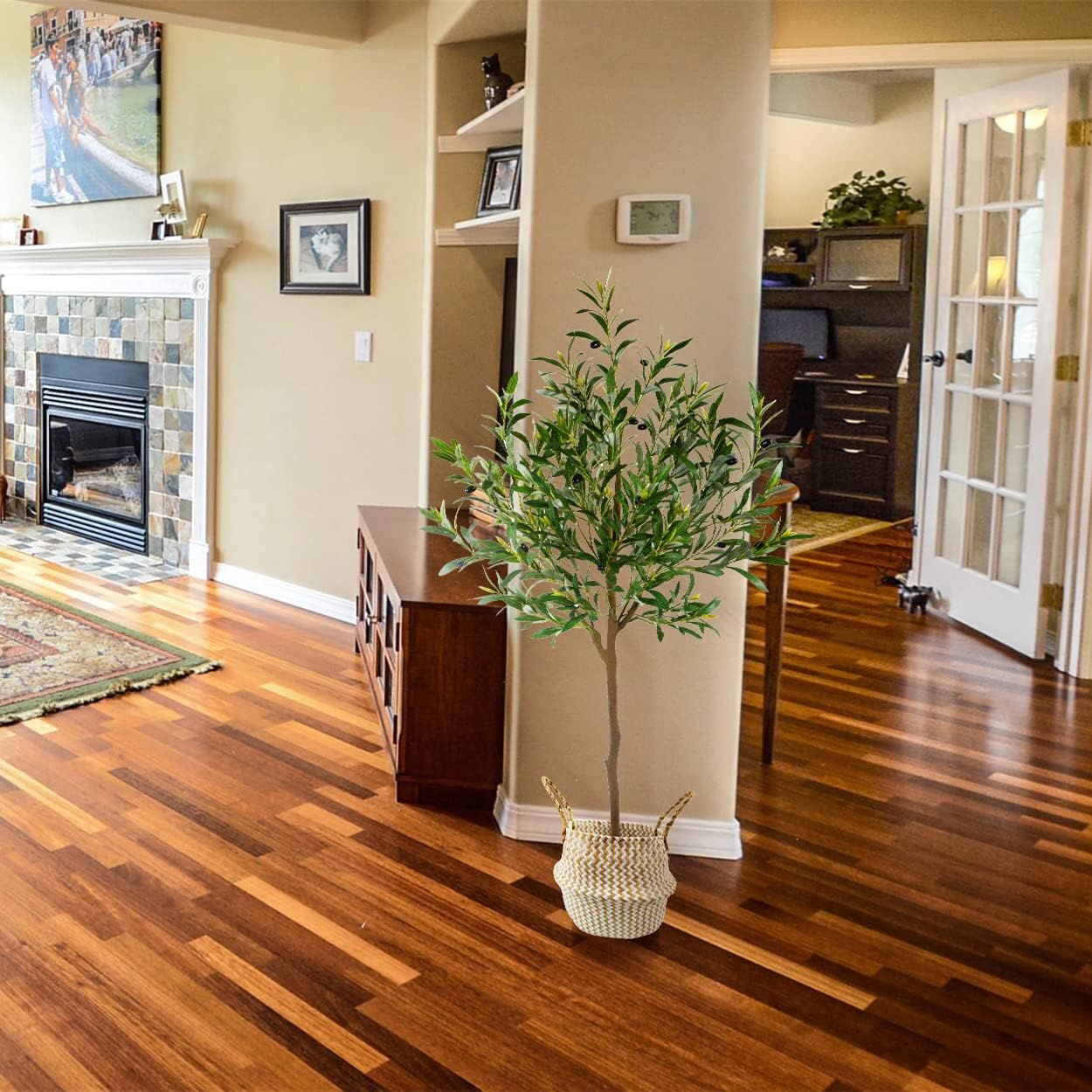
The trade-off is close-up realism. Faux leaves often look best from 1 m away, not at nose distance, and black plastic pots usually need dropping into a heavier basket or ceramic planter. The upside is obvious: no watering, no fungus gnats, no February leaf drop. For a sunnier-looking accent in a dull corner, the 105 cm artificial olive tree is neat, though olives are less believable in very dark, traditional rooms.
| Plant | Typical UK price | Usual size | Watering rhythm | Main caveat |
|---|---|---|---|---|
| Snake plant | £12.00–£35.00 | 30–75 cm tall | 4–8 weeks | Rots if kept wet |
| ZZ plant | £14.00–£45.00 | 45–75 cm tall | 3–6 weeks | Slow, toxic to pets |
| Golden pothos | £8.00–£25.00 | 30–90 cm trailing | 10–21 days | Variegation fades in dim rooms |
| Cast iron plant | £25.00–£65.00 | 40–80 cm tall | 2–6 weeks | Pricey and slow |
| Peace lily | £10.00–£30.00 | 35–60 cm tall | 7–14 days | Needs brighter light to flower well |
A simple care schedule for low-light flats
Put a reminder in your phone for Sunday morning, but do not water automatically. Check first. In low-light rooms, compost dries slowly, especially from October to March, and the school-run rush at 8:15 is exactly when people slosh water into pots without looking.
Weekly: turn pots a quarter turn and remove yellow leaves. Fortnightly: check the top 3 cm to 5 cm of compost with a finger. Monthly: wipe broad leaves with a damp cloth. Every spring: refresh the top layer of compost and look for roots circling the drainage holes. Repot only when needed; a pot 2 cm to 4 cm wider is plenty.
FAQs
What is the best low light plant for a UK flat?
The best low light plant for a UK flat is usually a snake plant or ZZ plant because both tolerate dim rooms and irregular watering. Choose snake plant for a narrow floor spot and ZZ plant for a sideboard or office corner.
Can plants survive in a room with no windows?
Living houseplants will not survive long term in a windowless room without a grow light. For internal hallways or bathrooms, use a faux plant or install a proper LED grow light on a timer.
How often should I water low light plants in winter?
Most low light plants in UK flats need watering far less in winter, often every four to eight weeks for snake plants and ZZ plants. Always check the compost first because cool rooms and weak daylight slow drying.
Are low light houseplants safe for cats and dogs?
Many popular low light houseplants, including snake plants, ZZ plants, pothos and peace lilies, are toxic if chewed by pets. If your pet nibbles leaves, keep plants out of reach or choose a non-toxic option after checking veterinary guidance.
Why is my low light plant turning yellow?
Yellow leaves in a low-light flat usually mean overwatering, not lack of water. Let the compost dry, check the pot drains properly, and move the plant slightly closer to daylight if growth has stalled.
The one I’d buy
If you’re buying one plant for a dim UK flat, I’d pick a snake plant in a 17 cm pot and put it within 2 m of the brightest window you have. It gives the most visual shape for the least care. If you want softer, glossier foliage, choose a ZZ plant instead. For a windowless hallway, don’t martyr a real plant; a good faux fern will look better by month three.