The rug that made me write this was a £69.99 120 x 170 cm jute number in a Manchester new-build living room, pushed bravely under a three-seat sofa and still looking like a bath mat. The room was only 3.4 m by 4.1 m, so the owner thought small was sensible. It wasn't. The front sofa legs missed the rug by 18 cm, the coffee table sat in exile, and every chair seemed to be apologising. UK rooms are awkward: chimney breasts, bay windows, radiators exactly where furniture wants to sit, narrow stairs. This rug size guide UK homes can actually use is built around the rules I trust: two legs on, runners that clear doors, and stairs that won't become a faff.
How I'm thinking about rug size
I care less about the rug looking impressive online and more about where furniture lands. A rug earns its keep when it connects the pieces in a room. In living rooms, that normally means at least the front two legs of the sofa and armchairs sit on it. In bedrooms, it means your feet land on textile rather than laminate at 6:40am. In halls, it means the door opens without scraping.
Most British homes have compromises: Victorian terraces with 82 cm hallways, rented flats where you can't fit grippers, and dining rooms that are really one end of a kitchen. I’ve used common UK retail sizes below because they’re the ones you’ll actually see: 120 x 170 cm, 160 x 230 cm, 200 x 290 cm and runners around 67 x 200 cm. Prices are realistic mid-market bands, not one-off sale bait.
If you’re rebuilding a room from the floor up, rugs sit squarely in home decor, but they behave more like furniture than cushions. Measure the furniture first. Then measure the walking space. Then buy the rug.
Best living-room default — 160 x 230 cm rug · £79.99–£249.99
For most UK sitting rooms, 160 x 230 cm is the sensible starting point. It works in a 3 m by 4 m lounge, lets a standard 200 cm sofa get its front legs on, and usually leaves 25–45 cm of bare floor at the edges so the room can breathe. This is the size I’d try before wasting a Saturday returning something that looked fine in the basket and mean on the floor.
The trade-off is that it may still be too small for a corner sofa. If the chaise sticks out 150 cm and the rug stops halfway, the room reads chopped up. A 160 x 230 cm also won't anchor two armchairs unless they’re pulled in. Still, for rented flats and modest terraces, it’s the decent buy: big enough to look intentional, not so huge you’re wrestling it round narrow stairs.
Sharp caveat: if only the coffee table sits on the rug, the rug is too small for a living-room seating area. That floating-island look makes even good furniture seem temporary.
Best for larger sitting rooms — 200 x 300 cm rug · £149.99–£499.99
A 200 x 300 cm rug is the one for open-plan rooms, bay-window lounges and those long Victorian front rooms where the sofa, chairs and side tables need pulling together. With this size, all front legs should sit on the rug easily, and in some layouts the entire sofa can sit on it. It also gives you enough surface to place a floor lamp and plant without the corner looking stranded; a tall piece such as the 175 cm artificial areca palm can balance the scale nicely.
You do pay for it in money and manoeuvrability. A wool 200 x 300 cm can be heavy, and even a polypropylene one is awkward to spin round a landing. It may also creep under doors if the room has a tight threshold. Leave at least 20 cm from walls unless you actively want a carpeted-room effect, which can look a bit B&B if the rug is patterned.
Best under a dining table — 200 x 290 cm flatweave · £120.00–£399.99
Dining rugs need to be judged with chairs pulled out, not tucked in. For a four to six-seat rectangular table, usually 140–180 cm long, a 200 x 290 cm rug gives roughly 60 cm chair clearance on each long side. That matters because chair legs catching the edge every meal will drive you spare. Flatweave is your friend here: crumbs sit on top, chairs move more cleanly, and the profile is low enough for everyday use.
The downside is maintenance. A rug under the dining table will collect toast crumbs, pasta sauce and the odd felt-tip mark if children do homework there after school. Deep pile looks cosy in photos and grim by week three. If you have a round 110 cm table, look at a 200 cm round rug instead, but check the room width; many UK kitchen-diners can’t spare the extra circle.
Best bedroom rule — 200 x 290 cm for a UK king · £129.99–£450.00
A UK king-size mattress is 150 x 200 cm, and the bed frame is often nearer 160 x 210 cm. For that, a 200 x 290 cm rug placed crosswise under the lower two-thirds of the bed gives you a soft landing on both sides and at the foot. It should project about 60 cm beyond each side of the mattress, which is the difference between useful and decorative.
If the bedroom is only 2.7 m wide, this size can be too much. Measure wardrobe-door swing and leave walking room; a rug rucked under a sliding mirror door is not sorted, it’s annoying. In tighter rooms, use two 70 x 200 cm runners either side of the bed. They cost roughly £35.99–£95.00 each and are easier to shake out, but they won’t give that hotel-style anchored look.
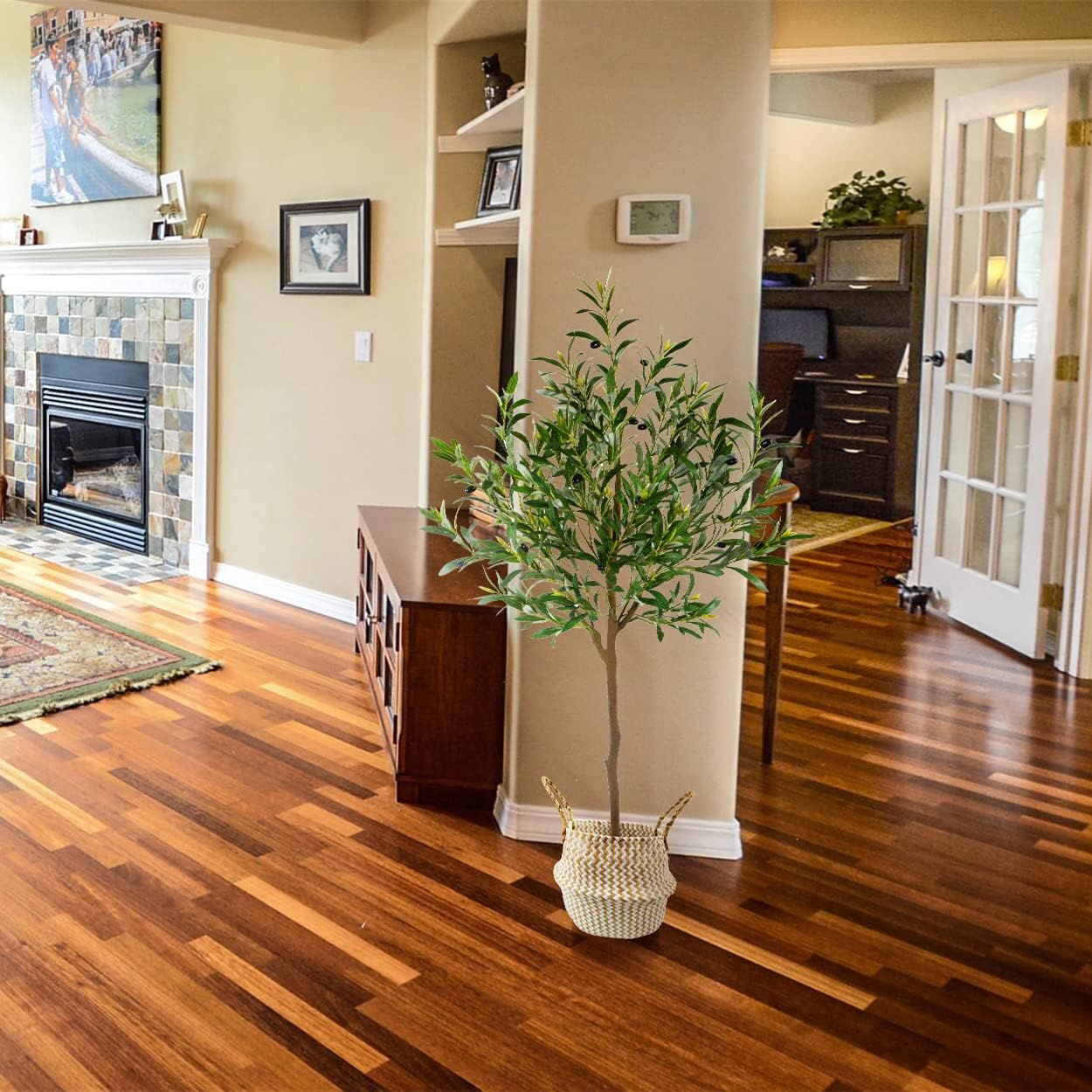
Rugs also need visual company. In a plain bedroom, a soft neutral rug with a structured plant, such as the 105 cm artificial olive tree from our artificial plants section, can stop the floor from doing all the work.
Best hallway fix — 67–80 cm runner · £35.99–£160.00
For narrow UK halls, measure the clear width after skirting boards, radiator pipes and shoe racks. A runner should usually leave 8–12 cm of visible floor on each side. In an 82 cm Victorian terrace hallway, that means a 60–67 cm runner, not an 80 cm one. In a newer 95 cm hall, 70–80 cm can look more generous.
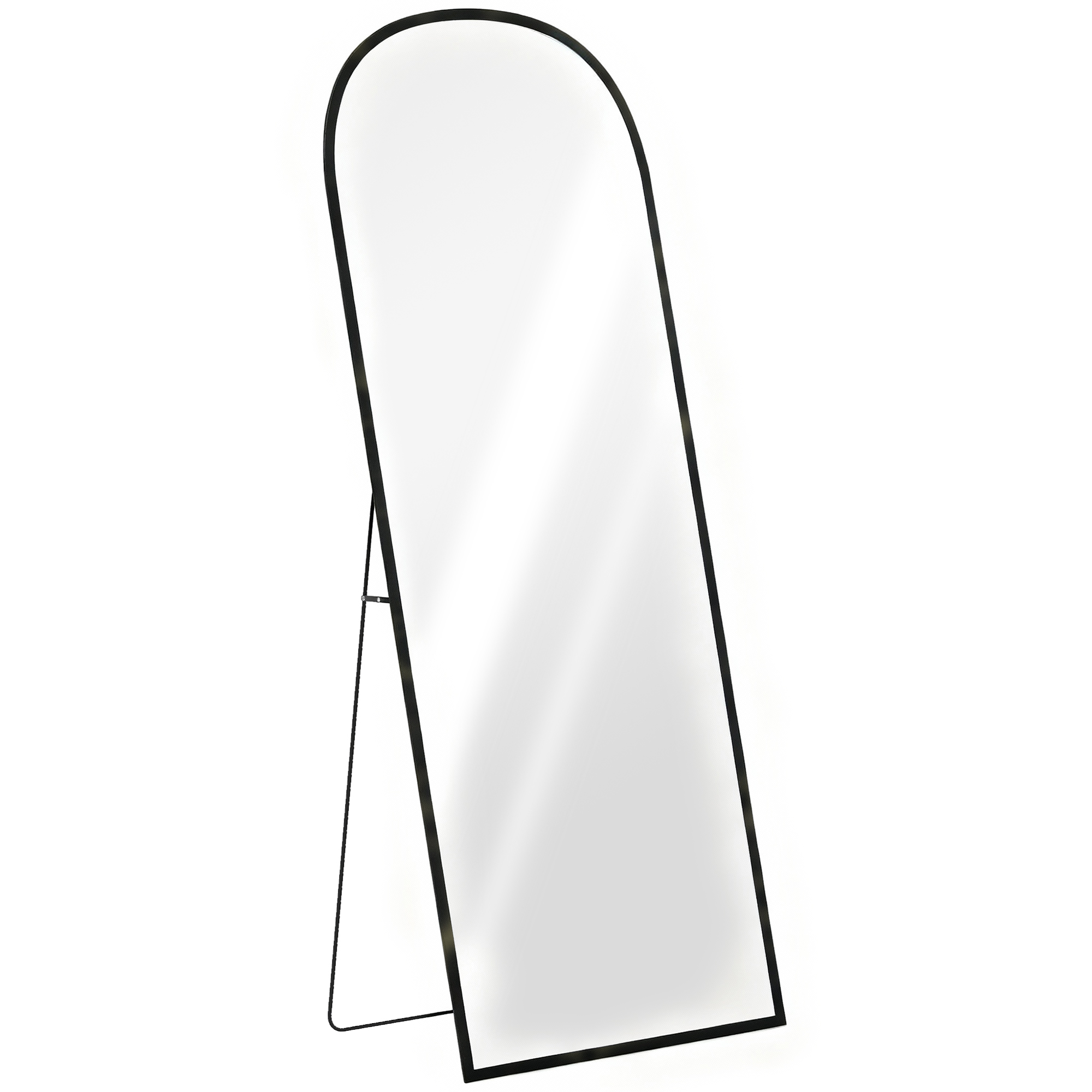
Length is just as important. Stop 10–20 cm before the front door arc and avoid ending halfway through an internal doorway. A 67 x 200 cm runner works for short halls; 67 x 300 cm suits longer ones. Cheap cotton runners from £35.99 can curl at the corners, so budget £12.99–£24.99 for a non-slip underlay if the floor is laminate or tile. A hall mirror helps check scale; the 165 cm black full-length standing mirror is slim enough for many entrances, though it still needs a safe spot away from the kerb-side dash with bags and scooters.
Best stair option — 55–70 cm stair runner · £250.00–£900.00 fitted
Stairs have stricter rules because a badly fitted runner is a trip hazard. On a standard UK staircase around 80–90 cm wide, a 60–70 cm runner leaves a neat painted or stained border on each side. For very narrow stairs, 55 cm can work, but it must sit straight and be fixed properly with gripper and underlay. This is one area where paying a fitter is savvy.
The price varies wildly because fitting, underlay, rods and turns all add up. A basic synthetic stair runner might come in around £250.00 fitted for a short straight flight; a wool runner with rods on a winding Victorian staircase can hit £900.00. The caveat is wear: stairs take more punishment than any living-room rug, so pale looped wool may look tired faster than a tighter, patterned weave.
Room or area
Best starting size
Allow for
Typical UK spend
Small living room
160 x 230 cm
Front sofa legs on rug
£79.99–£249.99
Large living room
200 x 300 cm
20 cm+ bare floor at edges
£149.99–£499.99
Dining area
200 x 290 cm
60 cm chair pull-out
£120.00–£399.99
Bedroom with UK king
200 x 290 cm
60 cm each side of bed
£129.99–£450.00
Hallway
67–80 cm wide runner
8–12 cm floor border each side
£35.99–£160.00
Stairs
55–70 cm wide runner
Professional fitting
£250.00–£900.00 fitted
FAQs
What size rug is best for a small UK living room?
A 160 x 230 cm rug is usually the best size for a small UK living room because it lets the front legs of the sofa sit on the rug without swallowing the floor. If your room is under 3 m wide, tape the outline first and check door swing, radiator position and walking space.
Should sofa legs sit on or off the rug?
The front two legs of the sofa should usually sit on the rug. This two-legs-on rule makes the seating area feel connected; if every leg is off, the rug tends to look like a mat for the coffee table.
How wide should a hallway runner be in a UK terrace?
A hallway runner in a UK terrace is often best at 60–67 cm wide. Aim to leave 8–12 cm of visible floor on each side, especially in narrow halls with skirting boards, radiator pipes or a shoe rack.
Can I put a rug under a dining table?
Yes, you can put a rug under a dining table if it extends about 60 cm beyond the table on all chair sides. Choose a flatweave or low-pile rug so chairs do not snag on the edge during meals.
How wide should a stair runner be in the UK?
A stair runner should usually be 55–70 cm wide in a UK home, depending on the staircase width. On an 80–90 cm staircase, 60–70 cm leaves a smart border and feels secure underfoot when properly fitted.
Do I need an anti-slip rug underlay?
Yes, use an anti-slip underlay on hard floors unless the rug is fixed or has a reliable non-slip backing. It reduces creeping, corner curling and the dodgy skid that happens when someone hits the hall at speed during the school run.
If I had to pick one rule to follow, it would be this: buy the rug that lets furniture stand on it, not around it. For most UK living rooms, start with 160 x 230 cm and size up to 200 x 300 cm if you have a corner sofa or open-plan space. For halls and stairs, be stricter. Measure the width, leave a border, and don’t skimp on grip; a beautiful runner that slides is just a nuisance in nicer fabric.
Villalta Home Editorial is the in-house byline used for buying guides and product roundups on villaltaco.uk. Each guide is written by the editorial team, drawing on the catalogue's measurable data — real dimensions, materials, UK use cases, price bands — and on hands-on research into how products actually perform in UK homes. Every post tagged with this byline is reviewed and approved by Juan Antonio Villalta Pacheco, the founder and editor, before it goes live. See our editorial standards for the full process.