Last winter I watched a friend fill the 158 cm alcove beside her chimney breast with £142.70 of “personality”: two scalloped frames, a brass duck, six coloured glass vases, a stack of old recipe books and a bobbly chintz lampshade. It looked charming for one Friday night. By February, in a north London Victorian terrace with soot drifting from the fireplace gap, every object needed lifting before the weekly dust. My view is blunt: purposeful clutter works only when at least a third of the surface stays empty; below that, it is a dusting bill dressed as personality.
Mistake 1: Buying a tray of nostalgia before leaving one-third of the surface empty
The mistake starts in a charity shop or antiques centre, where £8.00 candlesticks and £12.50 ceramic birds feel harmless because each one is small. Ideal Home reported on 28 July 2026 that 1980s and 1990s decor ideas are back, including chintz and purposeful clutter, with intentionality framed as the difference between character and mess. True, but intention has to be visible. If a 90 cm console is filled from edge to edge, the eye reads congestion before it reads story.
The cost is not just the £53.99 haul. It is the extra 12 minutes every time you dust, plus the faff of moving pieces when keys, post and school letters need landing space. This week, tape off one-third of the surface and refuse to buy anything for that zone. If the display only works when every centimetre is occupied, it doesn’t work.
Mistake 2: Copying chintz-on-chintz from a room twice the size of yours
The backlash against sterile beige minimalism is fair. Beige boxes made plenty of UK homes feel like serviced apartments with better mugs, and a bit of pattern can bring a proper pulse back. The problem is copying a full nostalgia scheme from a shoot with 3.1 m ceilings into a 3.6 m by 3.8 m lounge in a Manchester new-build, then wondering why the room feels airless.
This happens because photographs flatten scale. A chintz curtain, pleated lampshade, patterned rug and gallery wall may look balanced in a wide room with two windows. In a rented flat with one 115 cm window and a radiator under it, the same purchases can swallow light. The cost is often repainting, re-selling and replacing: £28.00 for sample pots, £89.99 on a rug that looked muddy, a lost Saturday listing it online. Avoid it by choosing one dominant nostalgic pattern per sightline. Stand in the doorway. If two patterns shout at once, one goes.
Mistake 3: Treating open shelves as storage rather than a cleaning commitment
Open shelves are sold as personality on demand: bowls, books, vases, framed postcards, all within reach. In real homes, especially near a hob or an old fireplace, they become dust ledges with ambitions. Reddit’s r/HouseCleaning thread on 18 July 2026 made the practical point interiors pages often dodge: clutter keeps returning unless every item has a defined home.
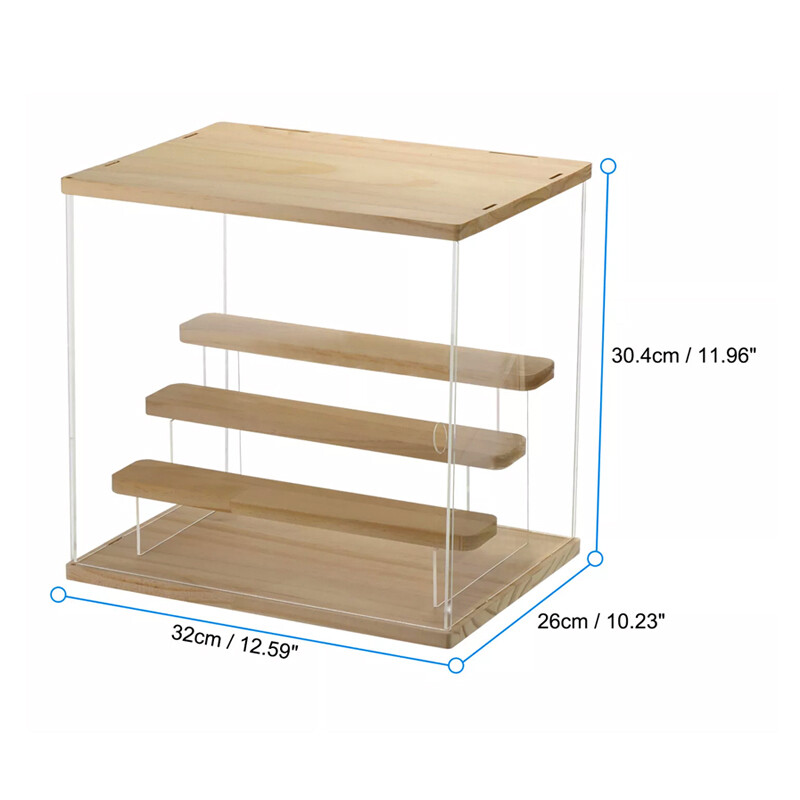
The bill is time. A 120 cm shelf with 18 objects can take 15 minutes to clean properly, because each item has to come down, be wiped and go back. Do that across three shelves and you’ve built a weekend chore. Clear acrylic display cases help for tiny collections, though the acrylic shows fingerprints in low winter light. Before buying shelves, count the objects you want out and give each a 10 cm dusting gap around it. If you cannot picture cleaning behind it with one hand, it belongs behind a door.
Mistake 4: Buying curios before buying useful, movable storage
House Beautiful recommended on 15 July 2026 that beginners start with antiques such as small storage, butcher blocks and bedside tables, because useful pieces add character without overwhelming modern rooms. That is the savvy version of purposeful clutter: storage first, performance second. The regretful version is spending £176.45 on small decorative finds, then having nowhere for batteries, dog leads, spare BS 1363 plugs and the tape measure.
Why does it happen? Useful furniture feels less thrilling than a mirror or a lacquered tray. Yet a vintage bedside table with one drawer can earn its keep in a hallway, beside a sofa or under a landing window. The cost of skipping it is visible mess returning within days, even after a big tidy. Do one audit this week: choose the five items that keep drifting onto the dining table. If none has a home, buy storage before another ornament. A wall hook can be fine; ten novelty hooks with no plan become visual noise.
Mistake 5: Letting displays block sockets, radiators and the school-run route
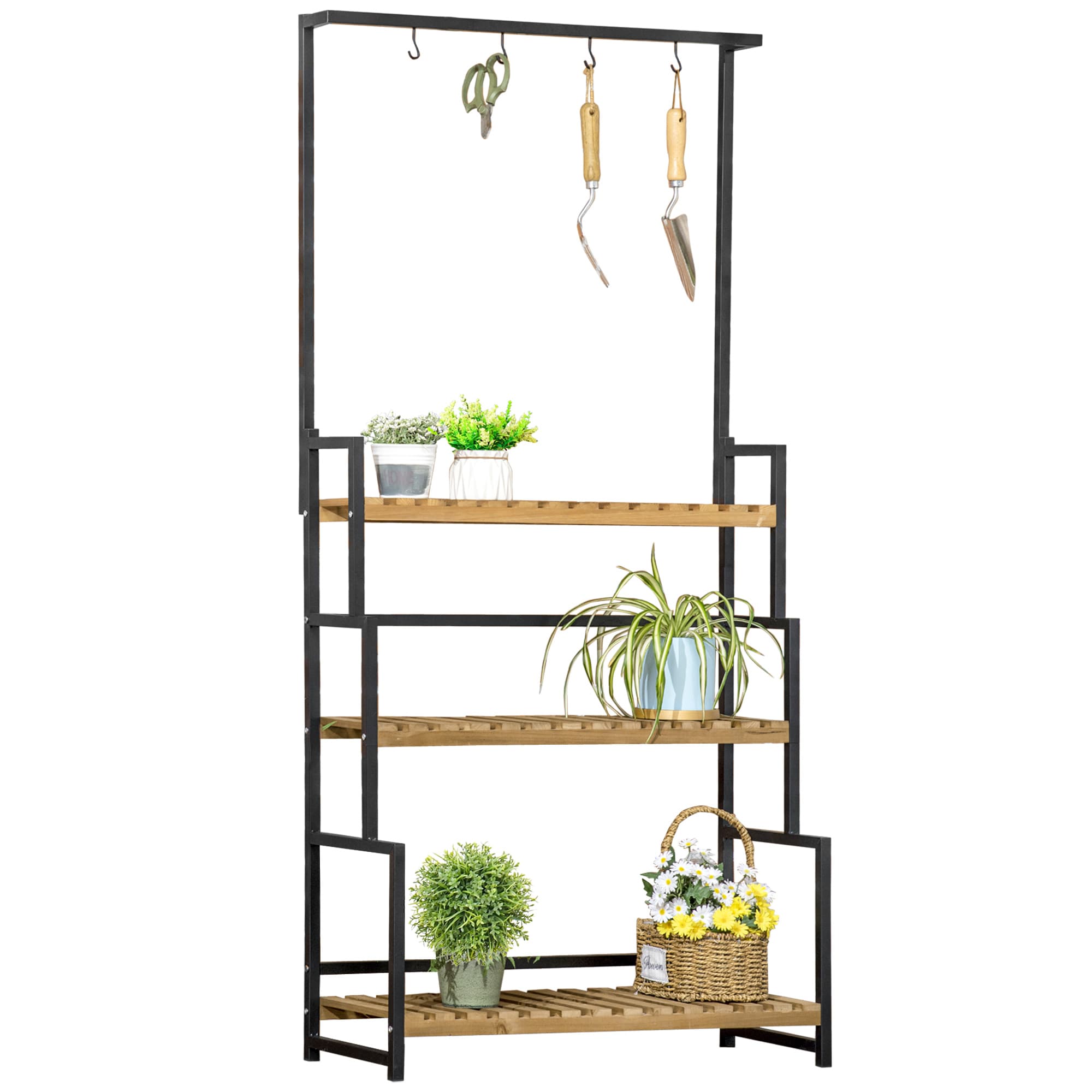
Purposeful clutter often fails at the boring edges of the room. A leaning print covers the only double socket. A plant stand sits 8 cm from a radiator and traps heat. A basket of rolled blankets narrows a 76 cm hallway, then everyone clips it during the 8:15 school-run rush. None of this looks dramatic on a mood board, but it is exactly where collected becomes congested.
The cost can be comfort as much as cash. Blocking a radiator with stacked decor may leave you nudging the thermostat up, while a covered socket encourages dodgy extension-lead habits. In older terraces with narrow stairs, even a charming landing chair can become a shin-height menace. Before buying a floor-standing piece, measure the route you actually use. Keep at least 75 cm clear in halls and leave 10 cm around radiators. If an object makes you walk sideways while carrying laundry, it is not character. It is an obstacle with a backstory.
When these 'mistakes' are actually fine
There are homes where these warnings soften. If you have a cleaner for two hours a week and you genuinely want shelves full of studio pottery, the dusting bill is already part of the arrangement. Sorted. If you live in a new-build with a service lift, wide halls and deep built-in cupboards, you can carry more visual weight than a two-up two-down with narrow stairs and no under-stair storage.
Open display also makes sense for active collections. If you use the cookbooks, rotate the candlesticks and swap framed postcards monthly, the movement stops the room feeling stale. The rule is not “own less”. It is “make the edit visible”. Purposeful clutter can be warm, funny and full of memory. It just needs rhythm, breathing room and storage doing the unglamorous work behind the scenes.
FAQs
What is purposeful clutter in UK interiors?
Purposeful clutter is an edited display of personal objects, not every sentimental item placed in view. In a typical UK sitting room, it works best when roughly one-third of each surface stays empty.
How do I do purposeful clutter in a small rented flat?
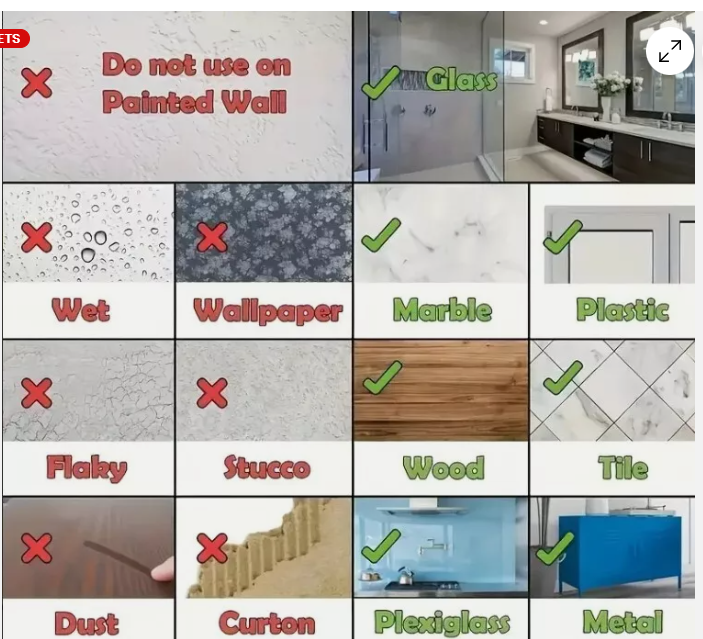
Use one display zone, one closed-storage piece and keep walkways clear by at least 75 cm. Self-adhesive hooks and trays can help, but only if each item has a defined home.
Is purposeful clutter just maximalism?
No. Maximalism can use heavy pattern and dense layering, while purposeful clutter should still show editing. If the display cannot be dusted or explained, it has probably tipped into mess.
How often do open shelves need dusting?
Open shelves in a lived-in UK home usually need a weekly surface dust, with objects lifted every two to three weeks. Shelves near kitchens, fireplaces or busy roads need attention sooner.
What should I buy first for a collected look?
Buy useful storage before decorative extras. A small cabinet, bedside table or lidded box gives everyday clutter a home, which makes the visible pieces look intentional.