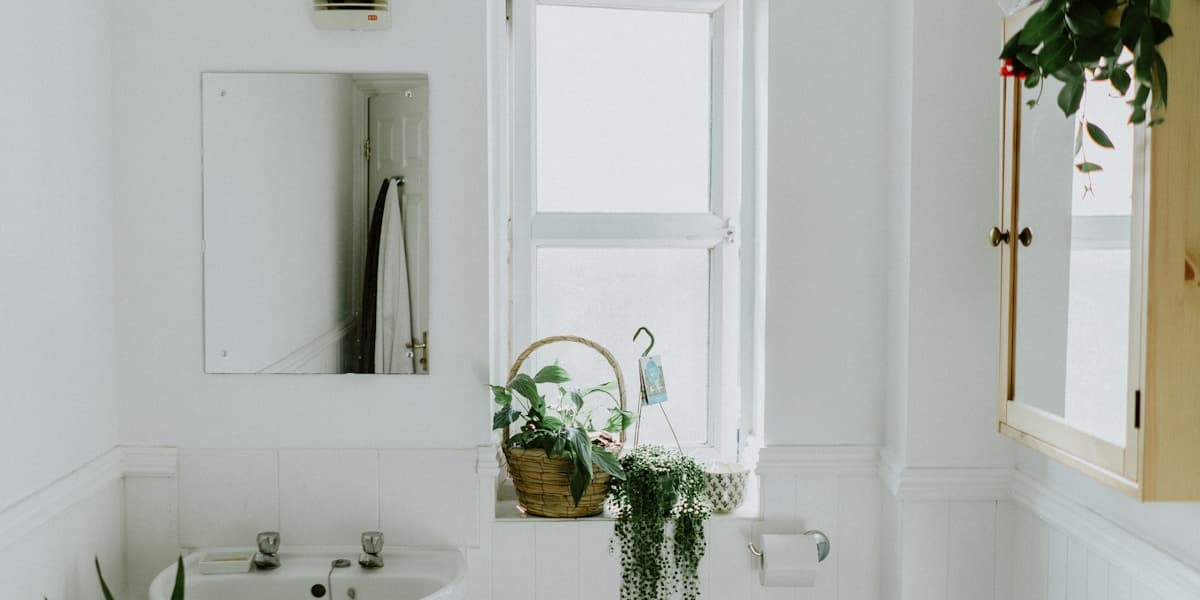
The 158 cm alcove in my own upstairs bathroom is exactly the sort of space that makes a walk-in shower feel like salvation. In a Victorian terrace with narrow stairs, a 1700 x 700 mm bath can look like a white plastic barge, especially during the school-run rush at 8:15 when everyone wants the sink. So if you’re asking whether removing the only bath for a walk-in shower affects resale value in the UK, the real issue is sharper than taste: are you making the home better for you, or smaller for the next buyer?
The short answer
Yes, removing the only bath is still a resale gamble in the UK, especially in a two- or three-bedroom home that could attract families. It won’t automatically knock a fixed sum off the valuation, and some buyers will prefer the shower. But it narrows the pool. A house with no bath stops reading as a full family bathroom, and that can matter more than the glossy shower screen.
The longer answer
What actually changes when the only bath goes?
A bathroom without a bath is not simply a bathroom with a better shower. To many buyers, it becomes a shower room. That wording matters. Young children, muddy dogs, sports kits soaking in Napisan, even the occasional need to wash something awkward all point back to a bath. This is why the debate keeps returning. A HomeImprovementUK thread on 5 June 2026 asked directly whether replacing a bath with a large walk-in shower would ruin resale value; the replies split neatly between “my house, my life” and warnings about families with small children. Two days earlier, another bathroom-renovation thread had the same warning: losing the bath can put off buyers who need one. A UKHousing thread on 31 July 2026 asked the question in blunter terms. That repetition tells you it’s a real market anxiety, not forum faff.
Why is the walk-in shower so tempting?
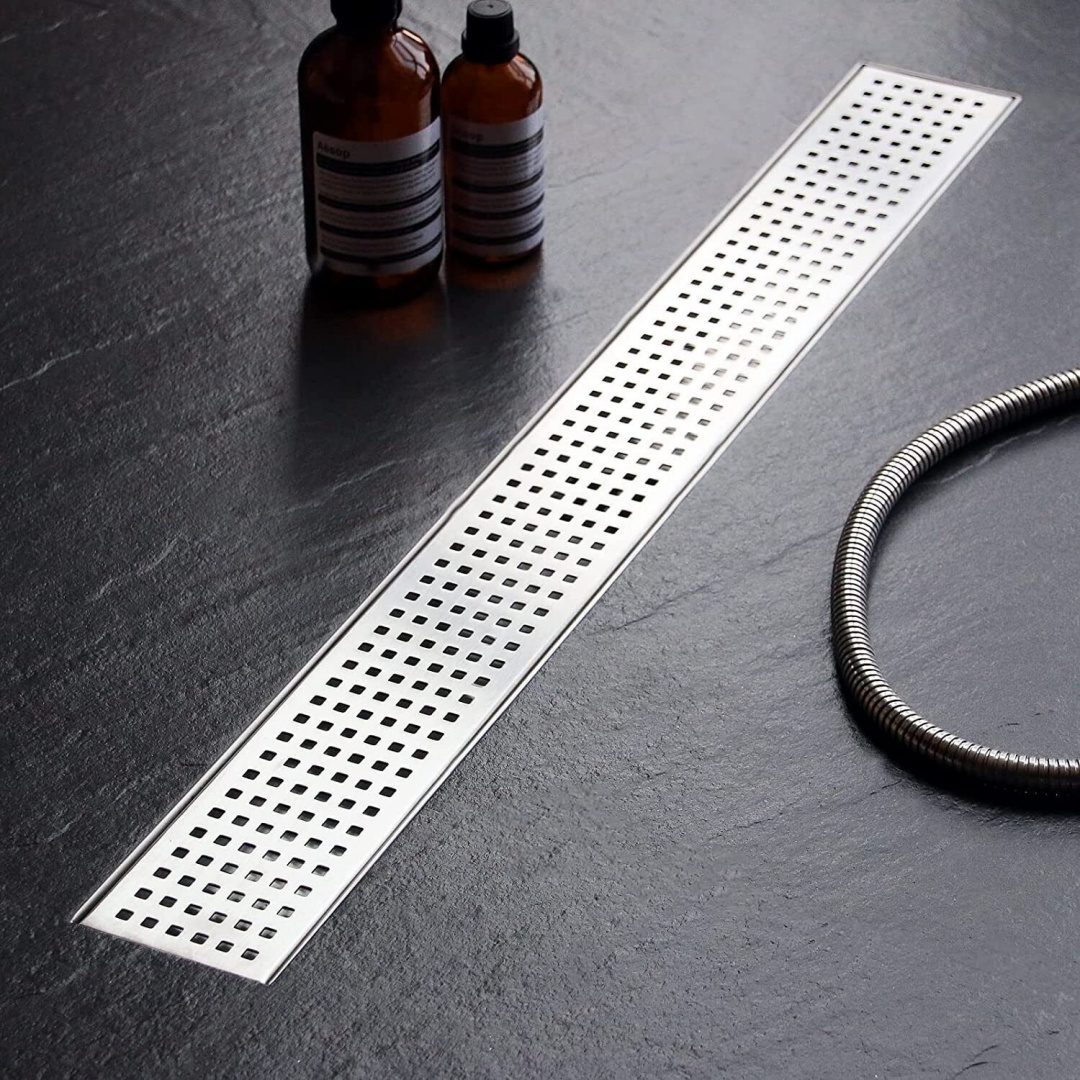
Because in small British bathrooms, it often is the nicer room. Ideal Home’s 2026 small wet-room coverage makes the case well: compact wet rooms can make tight bathrooms feel more open, especially where a bath blocks the door swing or sits under a sloped ceiling. A 900 x 1200 mm walk-in shower feels generous compared with standing in a narrow tub behind a clinging curtain. For ageing knees, pregnancy, injury or anyone who simply hates climbing over a bath edge, a low-threshold shower is a proper quality-of-life upgrade. The caveat is the hidden detail. A 60 cm linear shower drain needs careful falls, tanking and access for cleaning; hair in a channel drain is less glamorous than the brochure. Frameless glass also shows limescale in hard-water areas unless you keep a squeegee nearby.
Does removing the bath always reduce value?
No, and this is where the counterargument deserves a fair hearing. A one-bedroom city flat aimed at professionals, a retirement-friendly bungalow or a Manchester new-build with an en suite elsewhere may sell perfectly well with a smart walk-in shower. Some buyers actively dislike baths and will see a large shower, decent ventilation and non-slip porcelain tiles as a win. If the old bath is boxed in, chipped and never used, keeping it purely for a hypothetical buyer can feel daft. The falsifiable thesis is this: in a family-viable UK home with only one bathroom, removing the only bath is more likely to reduce buyer demand than increase it. Not guaranteed value loss. Demand risk. That distinction is important because estate agents rarely price bathrooms in isolation; they price the whole house and watch who turns up.
How should you decide if you live there now?
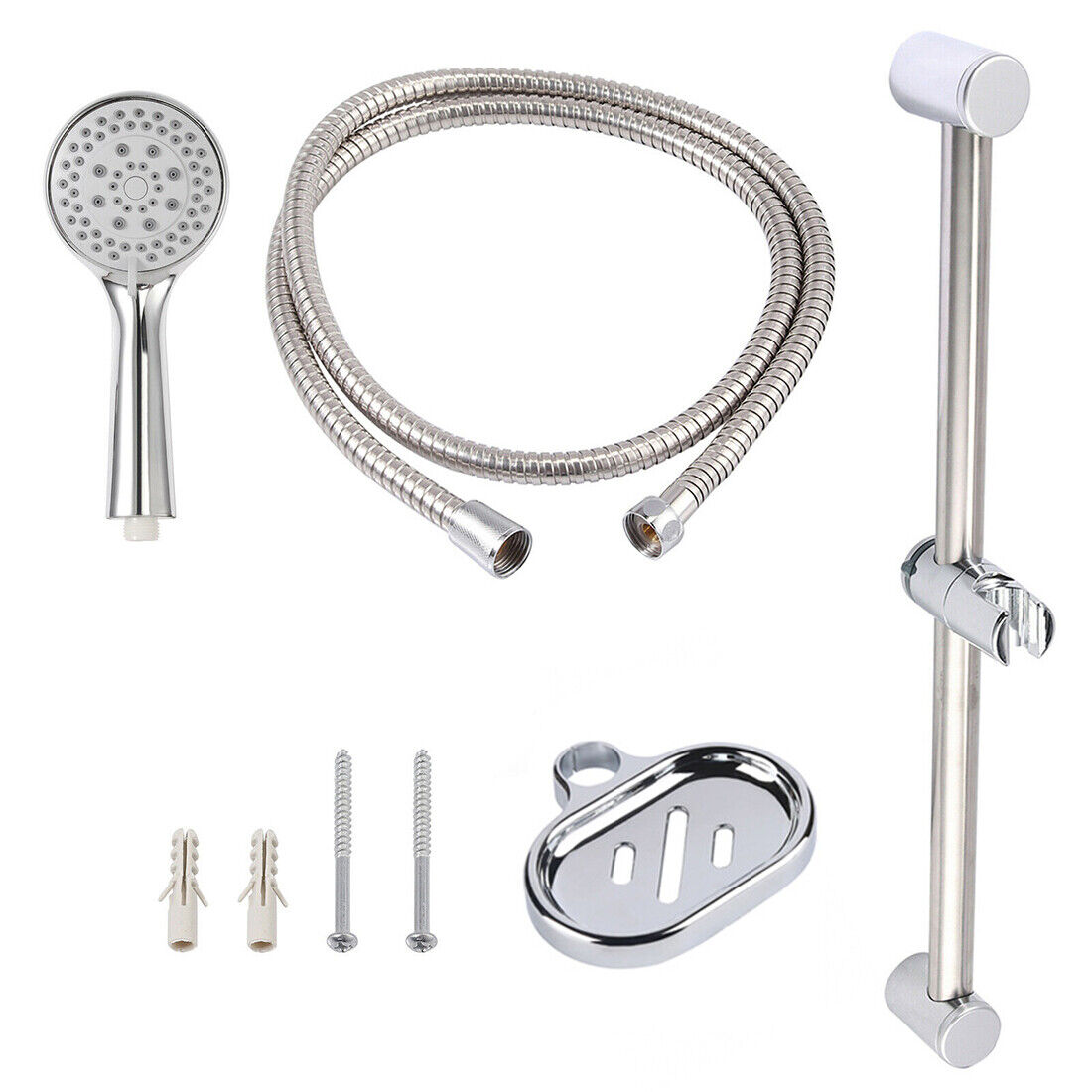
Start with your likely selling window. If you expect to move within three years, keep a bath or choose a shower-over-bath with a fixed screen and a decent thermostatic mixer. If you expect to stay ten years and a bath is making daily life harder, design for the life you actually live. Still, be savvy about reversibility. Keep the waste and hot-cold feeds positioned so a 1700 mm bath could return later. Photograph the pipe runs before tiling. Avoid carving the room into a layout that only works as a wet room. A chrome riser rail kit with an adjustable handset is less photogenic than a ceiling drencher, but it’s easier for guests, children and anyone seated. Bulbs, pumps and fancy digital controls can date; simple plumbing ages better.
Related questions
What’s the safest small-bathroom option if I want a shower but care about resale?
The safest option is usually a bath with a good shower over it, a fixed glass screen and proper waterproofing around the wet end. It keeps the room legible as a family bathroom while improving daily showering. A straight 1700 x 700 mm bath still works in many UK homes, though shorter 1500 mm baths can be useful in awkward terraces.
Do estate agents mark down a house with no bath?
Estate agents do not usually apply a neat penalty for “no bath”, but they may warn that it limits viewings from families. The effect shows up in buyer interest rather than a clean spreadsheet deduction. If your home has three bedrooms, a garden and sits near schools, the absence of a bath is more likely to be noticed.
Is a walk-in shower better for older owners?
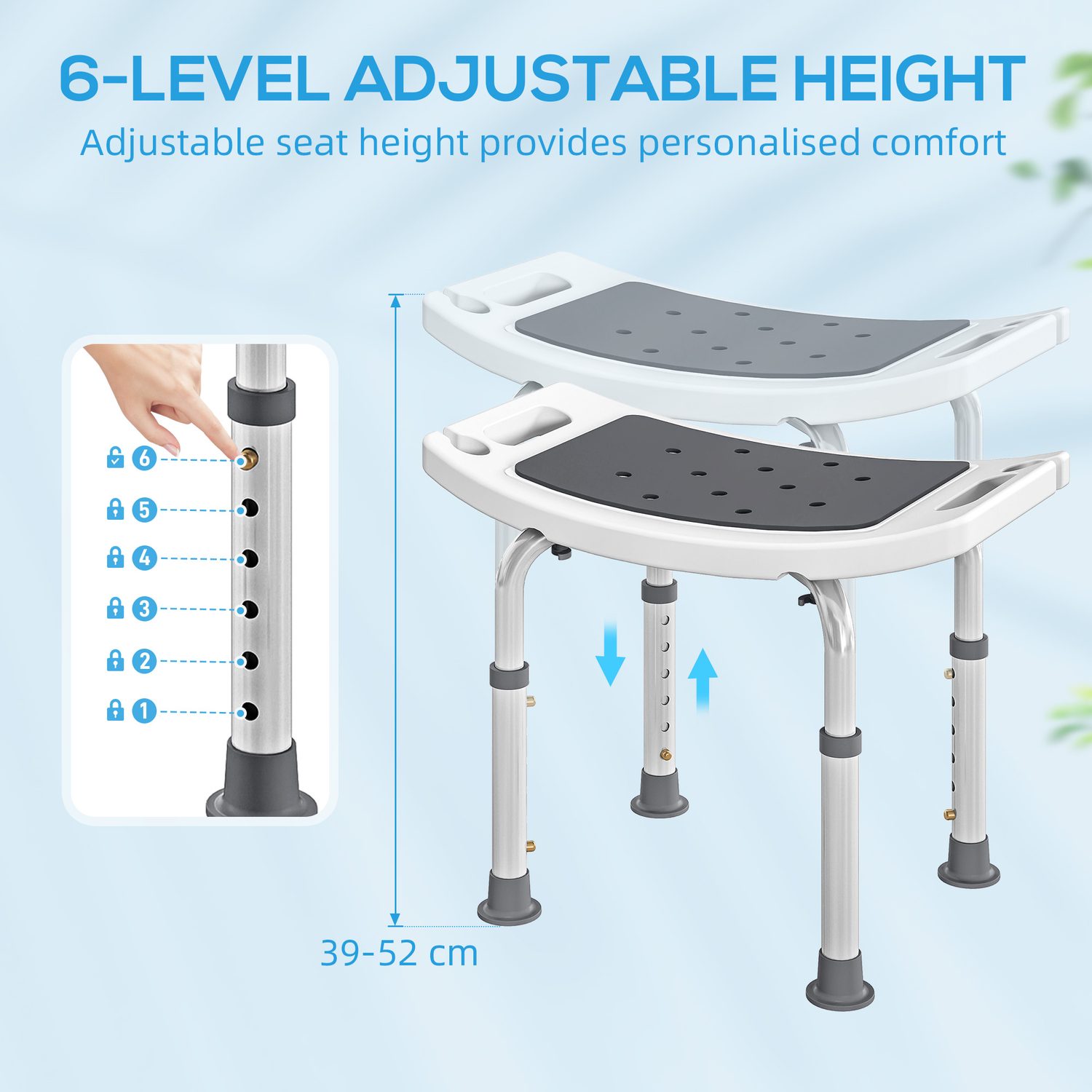
A walk-in shower is often better for older owners because it reduces the need to step over a bath edge. It works best with a low threshold, non-slip floor tiles, a handheld shower and space for a stool. A premium adjustable shower chair or wall rail can help, but they need to be planned into the layout rather than added as an afterthought.
Can I put a bath back after installing a walk-in shower?
You can put a bath back if the room still has enough clear length, suitable waste position and accessible pipework. The expensive part is usually making good the tiling and floor, not buying the bath itself. If the shower has been built as a fully tanked wet room with altered falls, reinstating a bath becomes a bigger job.
Does a wet room add value in the UK?
A well-built wet room can add appeal, particularly as a second bathroom or in an accessible home. As the only bathroom, it can worry buyers if there is no bath and the waterproofing looks dodgy. Poor falls, stained grout and water escaping under the door will undo any sense of luxury very quickly.
How much does it cost to replace a bath with a walk-in shower?
A straightforward bath-to-shower conversion in the UK commonly runs into the low thousands once labour, tanking, tray or wet-room floor, screen, valve and tiling are included. The final figure depends on whether pipes move, whether the floor needs strengthening and how much tiling is disturbed. Cheap conversions often look cheap around the edges.
So, should you remove the only bath for a walk-in shower? If the bath is unused and you’re staying put, a carefully planned shower can be the right call. If resale is close, and the home could plausibly house a family, keep some form of bath unless there’s a second one elsewhere. The most saleable compromise is rarely the sexiest bathroom on Pinterest. It’s the room that lets today’s owner shower comfortably and tomorrow’s buyer imagine bath time without reaching for the renovation budget.
Villalta Home Editorial is the in-house byline used for buying guides and product roundups on villaltaco.uk. Each guide is written by the editorial team, drawing on the catalogue's measurable data — real dimensions, materials, UK use cases, price bands — and on hands-on research into how products actually perform in UK homes. Every post tagged with this byline is reviewed and approved by Juan Antonio Villalta Pacheco, the founder and editor, before it goes live. See our editorial standards for the full process.