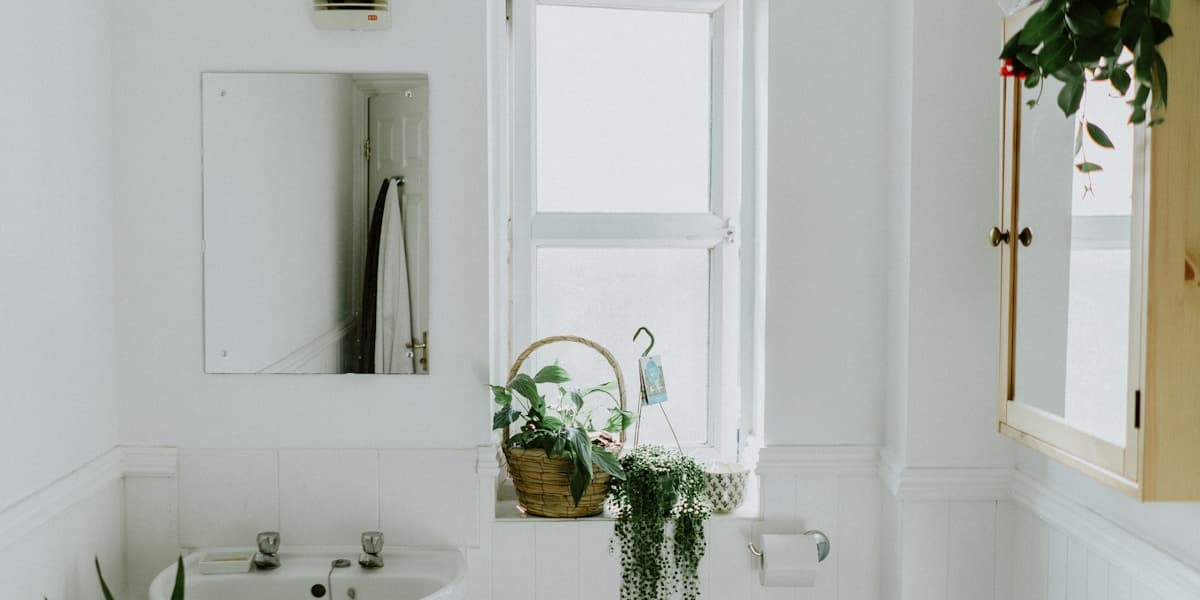
The upstairs bathroom I keep thinking about is 1.72 m by 2.04 m, in a Victorian terrace with a towel rail that never quite beats the condensation. The floor outside the shower is only 78 cm wide, so one wet footprint can turn the school-run rush into a proper skid. This is where the porcelain versus ceramic versus stone debate stops being showroom theatre. For UK bathrooms, my view is blunt: porcelain is the best default for floors and shower zones, ceramic is sensible for walls, and natural stone only earns its place if you own the faff that comes with sealing, grout and cleaning.
The case for porcelain
Porcelain wins because it is boring in the right ways. A decent porcelain bathroom tile has water absorption below 0.5%, which matters in British homes where bathrooms are often squeezed into cold corners, loft conversions or north-facing back extensions. It is denser than standard ceramic, so it copes better with shower spray, underfloor heating and the small thermal shocks of a room that goes from 14°C to steamy in eight minutes.
For floors, look beyond colour first. Ask for a slip rating. In a normal bathroom, I would start at R10; for a walk-in shower or wet room floor, R11 is the safer shout, especially if children, older parents or anyone half-asleep at 6:40 am will be using it. A 600 x 600 mm porcelain tile on the main floor cuts down grout lines, while a smaller 50 x 50 mm mosaic or textured porcelain in the shower tray area gives more grip because the grout joints help underfoot.
Expect to pay roughly £22.00 to £55.00 per m² for good mass-market porcelain, with posher Italian-looking ranges pushing past £70.00 per m². The catch is fitting. Porcelain is hard to cut, heavy to handle and less forgiving around pipework; a tiler may charge more because diamond blades, levelling clips and patience are part of the job. Large-format porcelain also wants a flatter substrate than many wonky UK bathrooms can offer. In old terraces, the prep can cost more than the tile.
Frost resistance is a smaller point indoors, but not a nonsense one. If the same tile is running from a bathroom into an unheated utility, garden room or ground-floor shower room with a dodgy external wall, porcelain is the safer material. Ceramic may be fine. Porcelain is less likely to punish you for a chilly January.
The case for ceramic and stone
Ceramic still has a clean, sensible role: walls. A glazed ceramic wall tile is cheaper, easier to cut and lighter on plasterboard than porcelain. For a bath surround, cloakroom splashback or half-height wall behind a basin, ceramic can be the savvy choice. You can find perfectly good ceramic wall tiles at £12.00 to £28.00 per m², and because they cut easily, fiddly bits around valves, niches and boxing-in are less painful. In a small rented flat where the landlord wants the bathroom refreshed rather than rebuilt, ceramic is often the budget that actually gets approved.
The weakness is on floors and wet-room bases. Many ceramics absorb more water than porcelain, commonly 3% to 10%, and not every ceramic tile is rated for floors. A glossy ceramic floor tile may look bright under showroom lights, then become lethal with shampoo residue on it. If you do use ceramic on a bathroom floor, it must be sold as a floor tile, with a slip rating you can check, not just a vague promise that it is “bathroom suitable”. Marketing language is woolly here. Push for the data sheet.
Natural stone has the best counterargument because it has character porcelain can only imitate. Limestone, marble, slate and travertine vary from tile to tile; they soften a bathroom in a way that printed porcelain sometimes misses. Stone also takes age differently. A honed limestone floor with brass fittings can look less showroom and more lived-in after five years.
That beauty is not free. Stone normally sits around £45.00 to £120.00 per m² before the specialist adhesive, sealant and labour. It is porous to different degrees, can stain from hair dye or limescale removers, and needs sealing after installation and then again on a schedule. Acidic cleaners are out. Some stones also spall or darken in permanently wet areas. Stone can be wonderful in an owner-occupied en-suite with a good extractor fan and careful adults. In a family bathroom with bath crayons, toothpaste and rushed showers, it is often a rod for your own back.
The honest trade-off
The real fight is not just tile versus tile. It is tile, grout, substrate and cleaning habit. Porcelain gives you the strongest safety margin, but a heavily textured R11 porcelain will hold soap scum more readily than a smoother R10 tile. Ceramic saves money on walls, but cheap white grout can yellow within months if the extractor is weak. Stone looks expensive because it is expensive twice: once at purchase, then again in maintenance.
Pick porcelain where feet go, ceramic where eyes go, and stone only where you are willing to maintain the room like part of the furniture.
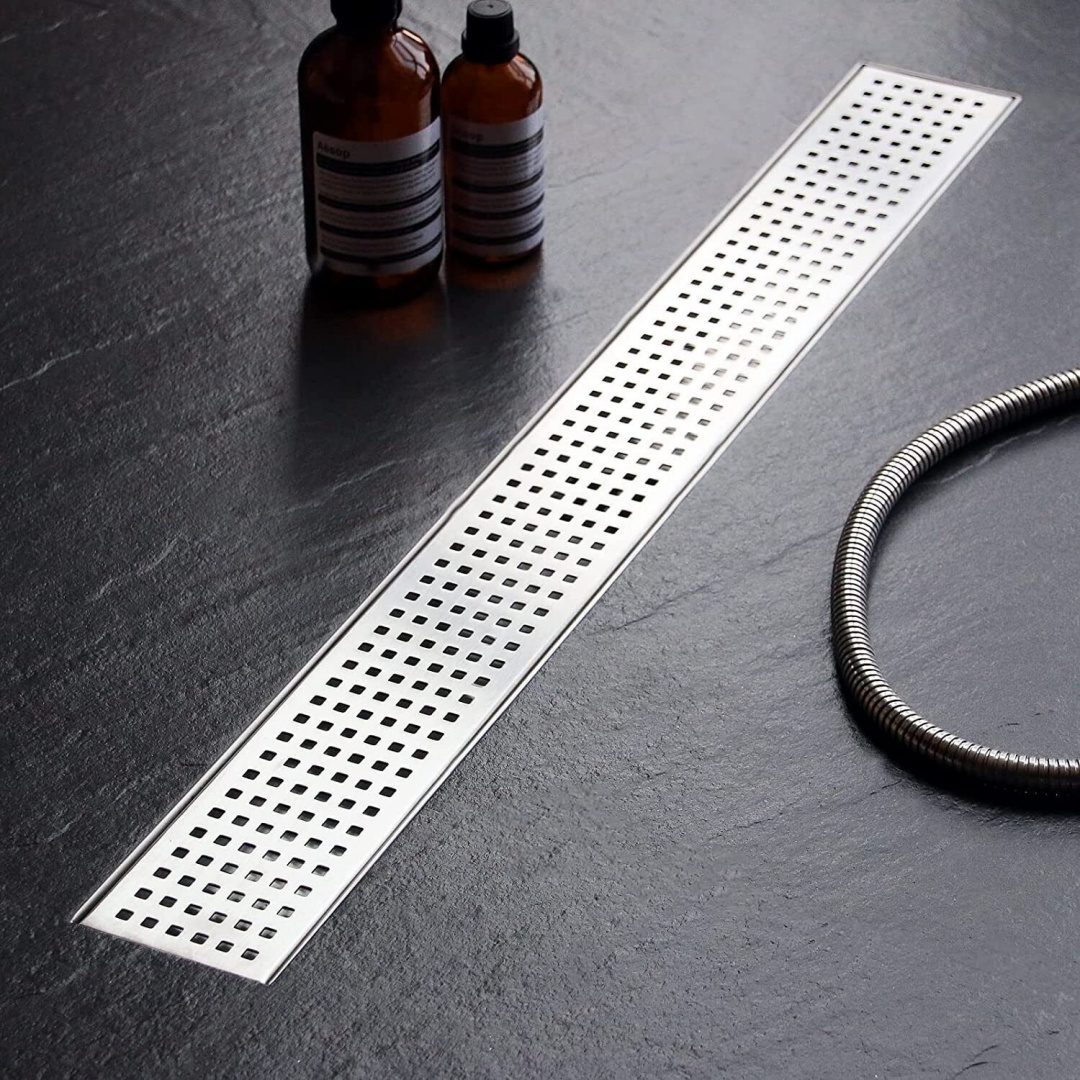
Grout deserves more attention than it gets. Narrow 2 mm grout lines suit rectified porcelain, but they need accurate laying. Standard cement grout is cheaper and familiar; epoxy grout resists staining better in showers, though it costs more and can be a pain to apply. A linear drain, such as a 60 cm stainless-steel shower drain, can help a wet-room floor fall cleanly, but it will not rescue the wrong tile or sloppy tanking.
Which to pick by use case
- Main family bathroom in a UK terrace or semi: pick porcelain. Use R10 on the main floor and consider R11 or mosaic porcelain in the shower zone. It stands up best to wet feet, bath splashes and cleaning products used in a hurry.
- Budget refresh in a rented flat under 60 m²: pick ceramic for walls. Keep the existing floor if it is sound, or choose a proper floor-rated porcelain if replacing it. Ceramic wall tiles give the visual lift without blowing the labour budget.
- Walk-in shower or wet room: pick porcelain. Prioritise slip rating, tanking and falls to the drain over dramatic marble-effect slabs. Fewer grout lines look neat, but too little texture underfoot is a false economy.
- Owner-occupied en-suite with good ventilation and no children using it daily: pick stone if you love it. Choose honed rather than polished finishes, budget for sealing, and accept that patina is part of the deal rather than a defect.
FAQs
What is the best bathroom tile for most UK homes?
Porcelain is the best bathroom tile for most UK homes because it absorbs very little water and is tougher on floors than standard ceramic. Use ceramic on walls if you want to save money, but choose porcelain for floors, showers and wet rooms.
Is ceramic tile OK for a bathroom shower?
Ceramic tile is usually fine on shower walls, but it is not my first pick for shower floors. If you choose ceramic in a shower, check that it is rated for wet areas and avoid glossy floor tiles with no clear slip rating.
What slip rating should bathroom floor tiles have in the UK?
For a typical UK bathroom floor, R10 is a sensible starting point; for wet rooms and shower floors, R11 is safer. The rating should appear on the tile data sheet, not just in sales copy.
Can natural stone tiles be used in a bathroom?
Natural stone can be used in a bathroom, but it needs sealing, careful cleaning and good ventilation. It suits owner-occupied bathrooms better than busy family bathrooms because acidic cleaners, standing water and hair dye can mark it.
How much do bathroom tiles cost in the UK?
Bathroom tiles in the UK commonly cost £12.00 to £28.00 per m² for ceramic walls, £22.00 to £55.00 per m² for decent porcelain, and £45.00 to £120.00 per m² for natural stone. Labour, prep, tanking and grout can easily outweigh the tile price in a small bathroom.
How do you reduce mouldy grout in a bathroom?
Reduce mouldy grout by using fewer grout lines where sensible, choosing good grout for wet zones and fixing ventilation rather than blaming the tile. Epoxy grout is more stain-resistant than standard cement grout, but even epoxy needs cleaning and airflow.