The 84 cm gap beside the front door in a friend’s rented flat in Leeds has hosted a shoe rack, a fold-down desk and, briefly, a stool that claimed to be storage. By 8:15 on the school run, it mostly hosted swearing. So the real question is this: is multifunctional furniture for a small UK flat worth it, or does it turn every cup of tea into a tiny reset job?
The short answer
Yes, but only if the second function is used often and the changeover takes less than one minute. Here’s the falsifiable version: multifunctional furniture is worth buying only when it saves more daily effort than it creates. If a table has to be folded, unlatched, cleared and re-homed every evening, it is not saving space; it is outsourcing floor area into admin.
The longer answer
What job does the furniture actually need to do every day?
Small flats make every object audition. A coffee table that lifts into a laptop desk sounds decent until you realise the sofa height leaves your shoulders near your ears. A storage ottoman is more honest if it holds the thing you reach for weekly, not Christmas wrapping paper you need twice a year. In a Victorian terrace conversion with a 70 cm hallway, the useful object might be a slim shoe cabinet, not a chair-bed with heroic ambitions. Before buying anything clever, write down the daily job: eating, working, laundry sorting, hiding shoes, clearing toys before kip. Then note the awkward measurement, not the room’s estate-agent size. The width between skirting boards matters. So does door swing.
How much faff is too much faff?
The one-minute rule is brutal, but it works. If converting the piece needs two hands, a cleared surface and somewhere else to put the cushions, you’ll stop doing it by Thursday. That is where playful design crosses into domestic labour. A £249.00 folding dining desk might be worth it if it hosts dinner four nights a week and a laptop each morning. A cheaper, showier version that needs the monitor unplugged from a BS 1363 socket every time is a false economy. Watch for small frictions: chrome that shows fingerprints in side light, castors that catch on laminate thresholds, lids that need 25 cm of clearance behind them. These are not fussy details. They are the reasons clever furniture becomes a pile beside the kerb on council recycling week.
Does it save space, or just move clutter into a different shape?
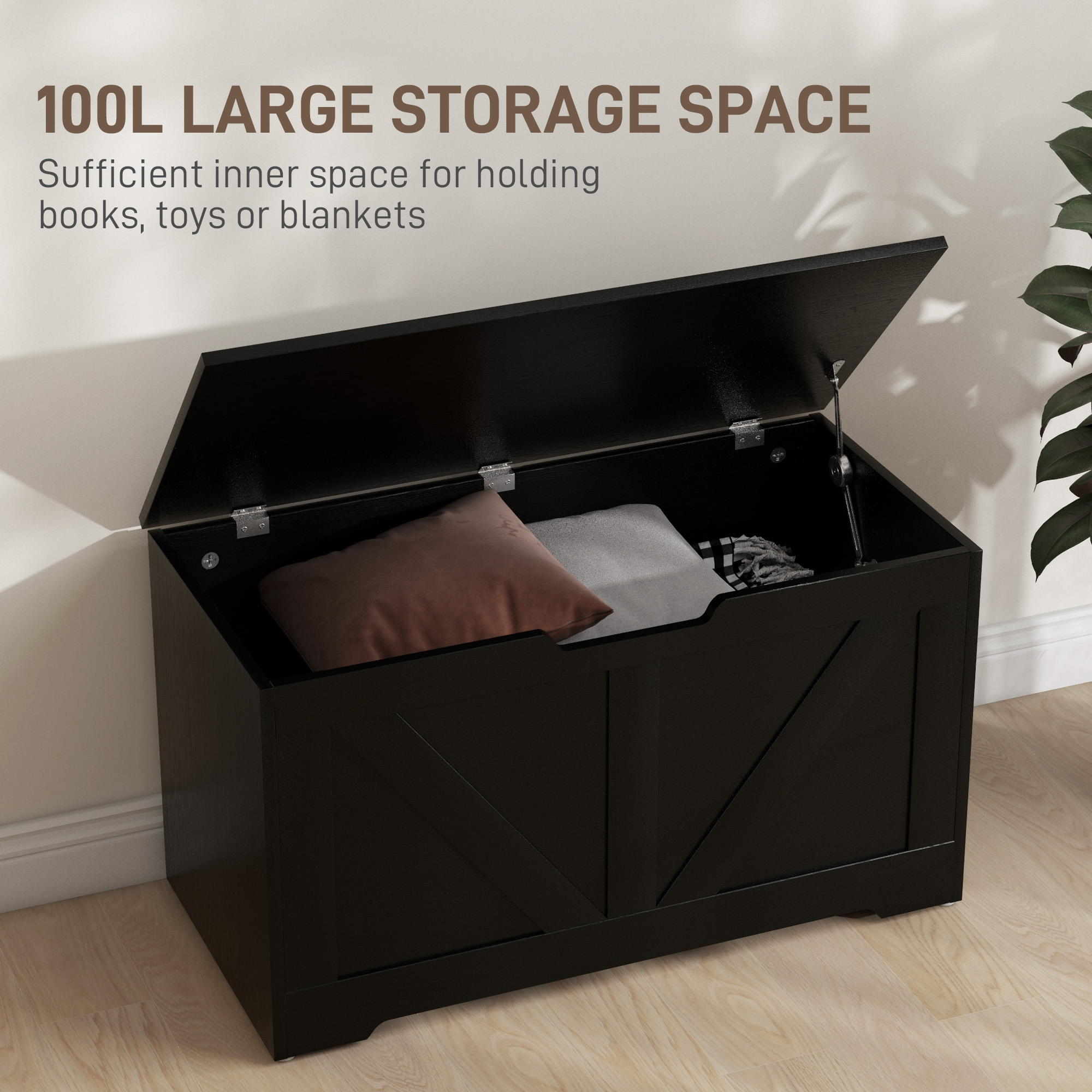
Storage is where multifunctional furniture often tells on itself. A bench with a 100-litre cavity can be useful; a bench with a shallow tray under the seat may only hide two blankets and a charger nest. The difference is not glamour, it is litres. A plain 100L storage box bench can make more sense than a theatrical folding seat if it takes shoes, bags and dog towels without asking for a performance. Still, check the load rating before treating any trunk as a proper seat, and remember that a lift-up lid is annoying in a hall if coats hang above it. For renters, freestanding storage solutions often beat wall-mounted miracles because you are not patching plaster before moving out.
Isn’t this playful wave exactly what small homes need?
Yes, and that is the strongest counterargument. The current wave has energy. IKEA Global’s 13 May 2026 PS 2026 announcement framed new pieces around playful functionality, including furniture that folds and rocks for small-space homes. Ideal Home’s 14 May 2026 coverage picked up the same appeal from a small-flat perspective, especially pieces that combine seating with storage. That optimism is not wrong. Small homes need invention. But the r/IKEA pre-shopping thread from 13 May 2026 showed the catch: people were intrigued, then immediately asked about availability, scale, quality and whether large pieces could be tried in person. That is the right instinct. Design-forward is lovely; daily-repeatable is better.
What should you measure before buying anything transformable?
Measure the furniture in both states. A drop-leaf table that is 32 cm deep when closed may still need 120 cm when open, plus chair pull-out. A sofa bed must be measured as a bed, not a sofa; a UK king-size mattress is 150 x 200 cm, and many flats cannot spare that rectangle without blocking a wardrobe. Draw the open footprint on the floor with masking tape and live with it for an evening. If you cannot open the fridge, reach the sockets or pass another person without doing a sideways shuffle, the piece is asking too much of the room.
Related questions
What is the best multifunctional furniture for a studio flat?
The best piece is usually the one that handles your most repeated clash: bed versus sofa, desk versus dining table, or storage versus walkway. In many studios, a compact table that works for meals and laptop use beats a dramatic foldaway bed, because it is used twice daily and needs less reset time.
Are sofa beds worth it in a small UK flat?
Sofa beds are worth it if guests stay often enough to justify the bulk. Test the mattress depth, the opening footprint and the effort of moving the coffee table. If guests visit twice a year, a good inflatable bed and a comfortable everyday sofa may be the savvier pairing.
Is storage seating a good idea in a hallway?
Storage seating works in a hallway only if the lid can open fully and the seat does not pinch the route through. In a narrow rented flat, a 100-litre bench may be sorted for shoes and bags, but not if it turns the front door into an obstacle course.
Should renters buy wall beds or folding wall desks?
Renters should be cautious with anything that needs serious fixing. Wall beds and wall desks can impose load requirements, drilling and making-good costs. If the tenancy is short, freestanding furniture with visible dimensions is often less stressful than a clever installation you have to explain to the landlord.
How do I stop multifunctional furniture becoming clutter?
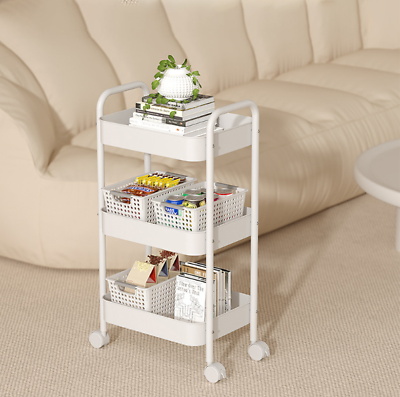
Give each function a rule. If a lift-top table is for work, keep one tray for the laptop bits so the surface can become a table again in seconds. If a trolley is for laundry, a 3-tier rolling storage trolley helps only when every tier has a clear job.
The small-flat test is not whether furniture looks clever in a launch photo. It is whether you will still use the second function when you are tired, hosting, late, or stepping over trainers in a narrow hallway. Buy the piece that removes one repeated irritation. Leave the acrobatics for homes with floor space to spare.