In a 3.2 m × 4.0 m front room in a London terrace, single sash window to the street and a chimney breast projecting 58 cm, I watched a good-looking open shelf become a noticeboard for life: Calpol, school letters, two chargers, a rogue tape measure. The hallway outside was 72 cm wide at the tightest point, so nothing bulky could loiter there either. This is where the tidying advice starts to feel moralising. My thesis is simple and arguable: closed storage is now the clearest visual marker of a well-run small home because it hides daily clutter at the exact point open shelving starts to advertise it.
What we're working with
Small UK homes rarely fail because nobody bought enough boxes. They fail because the storage sits in the wrong place. In a Victorian terrace or post-war flat, the front door often opens straight into a narrow hall, with a radiator under the only window and a BS 1363 double socket placed where you wish a cabinet could go. The TV cable runs along the skirting because chasing the wall is a faff in a rented flat. Shoes collect by the door because the school run at 8:15 does not care about lifestyle photography. Ideal Home’s 7 July 2026 piece on making a small home look bigger made the familiar case for clear floors, elevated furniture, one-in-one-out rules and hiding with intention. A June 2026 Ideal Home storage article pushed the more telling point: closed-door storage looks more intentional and expensive than standard open shelves, even while open shelving stays fashionable. That tension is the whole story. The best closed storage ideas for small UK home clutter are less about owning less and more about deciding what nobody needs to see.
The hallway: use the first metre as a closed landing strip
The goal is to stop coats, post and shoes crossing the threshold into the sitting room.
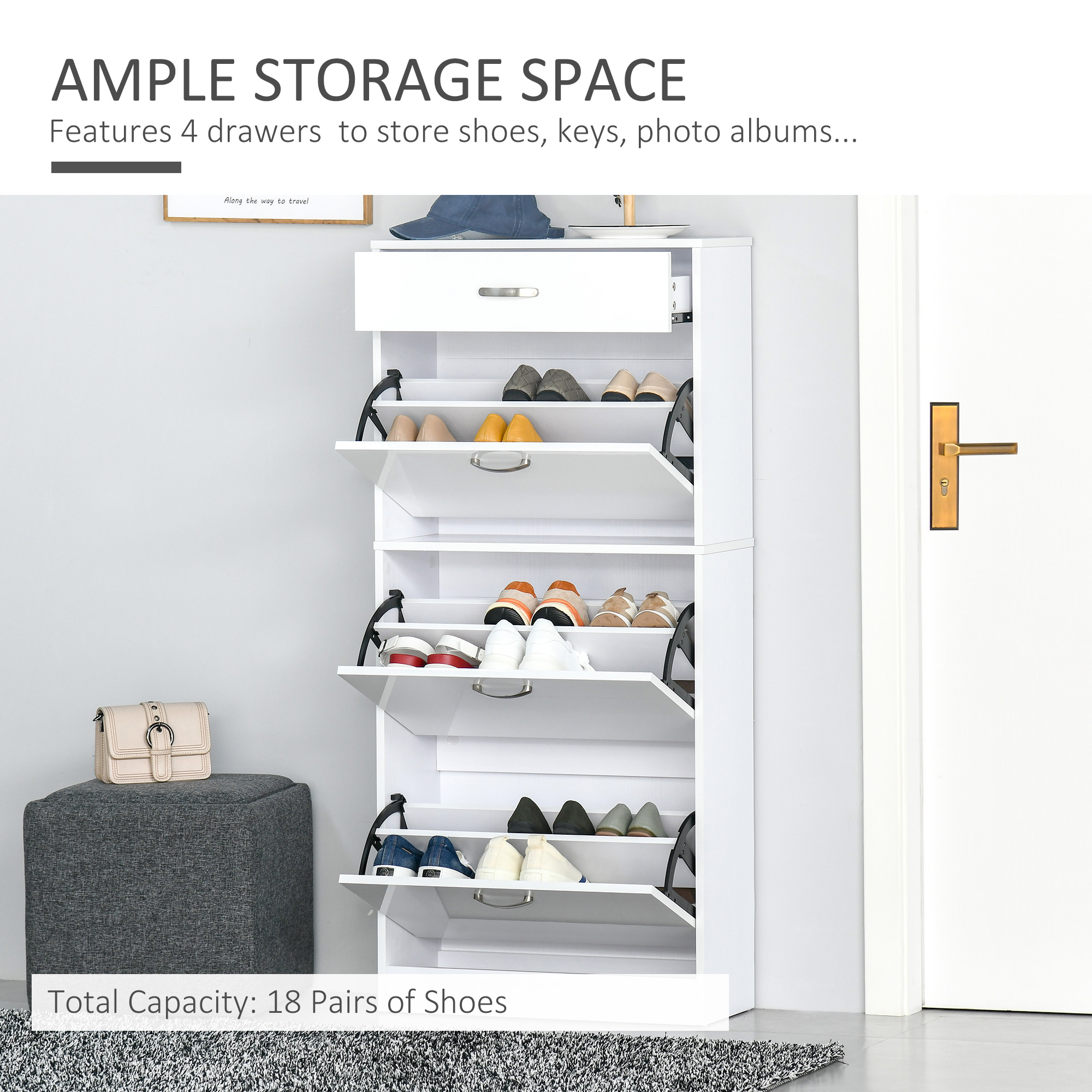
In a 1930s semi with a 95 cm hall, a shallow tilt-front shoe cabinet works because it steals depth rather than width. A unit around 24 cm deep can sit opposite the stairs without making everyone turn sideways. The white high-gloss shoe cabinet 18-pair storage solution is an example of the category that makes sense here: plain front, no visual chatter, useful capacity. The caveat is obvious once you live with one. Size 11 trainers need more generosity than ballet pumps, and glossy fronts show fingerprints in low winter light.
This is also where the status-symbol bit creeps in. A clear hallway reads as if the household has a boot room somewhere, even when it absolutely does not. Ideal Home’s July 2026 archive highlighting an IKEA shoe-storage hack for tiny nooks tells us the pressure point is live, not evergreen tidying fluff. The hall is where small-home storage either looks sorted or looks defeated.
The sitting room: close the chimney alcoves, leave the breast alone
The goal is to make a living room look calmer without pretending the family owns six tasteful books and one vase.
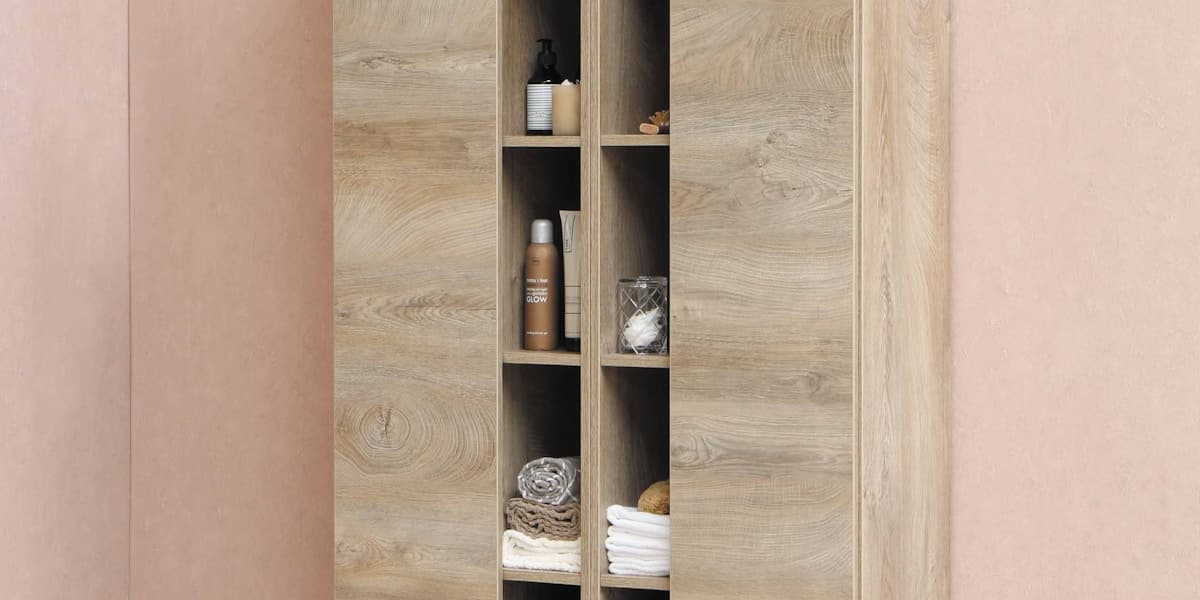
Open alcove shelving is seductive in estate-agent photos. In real rooms, the lower shelves become a depot for batteries, gift bags, Lego manuals and the council recycling leaflet nobody wants to lose. Close the bottom two-thirds instead. Doors below waist height hide the things that make a room feel busy, while one or two open shelves above can still hold lamps or books without turning into a shop display.
Built-in-looking storage is the expensive route to calm because it behaves like architecture. Proper bespoke alcoves in much of the UK can run from £1,850.00 to £3,500.00 for a painted pair, depending on height and scribing, which is why flat-front freestanding units are having their moment. The principle matters more than the joinery bill: push storage to the room’s edges, close the fronts, and let the centre of the floor stay bare. Clear floors were one of Ideal Home’s July 2026 recommendations for making a small home look bigger; closed alcoves are the practical mechanism for achieving it.
The bay window or under-stair dead zone: choose a trunk that earns its floor space
The goal is to hide bulky soft clutter where it naturally falls, rather than carrying it to a mythical storage cupboard.
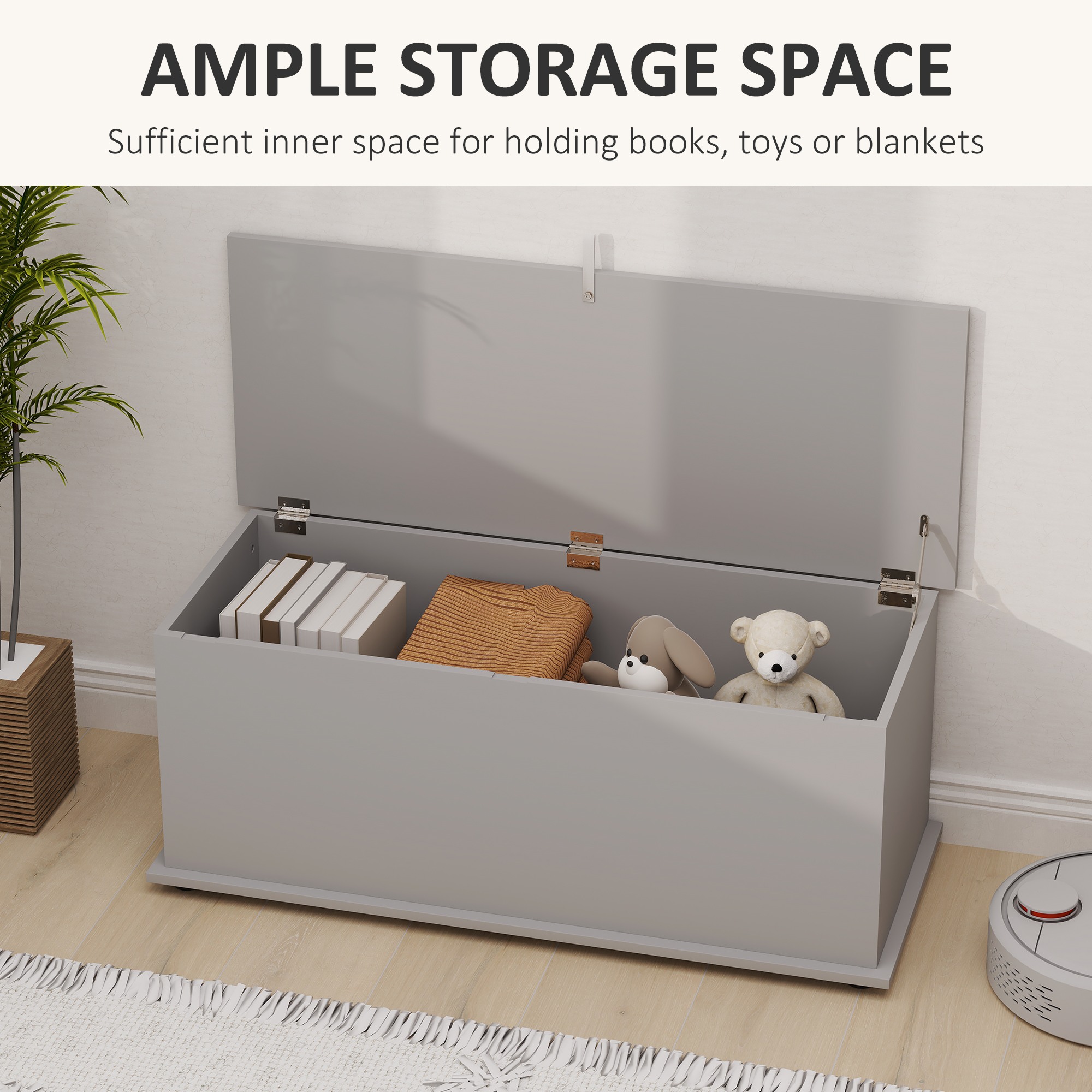
Blankets, PE bags and parcel packaging are the clumsy category. They do not suit drawer dividers. A 113 litre storage chest is useful because it swallows awkward volume behind one calm plane. Something like a premium 113L grey storage chest with safety hinges illustrates the point: the safety hinge matters in a home with children, and the closed top means the bay still reads as a window seat area rather than a dumping ground.
The trade-off is that trunks can become a skip with hinges. If everything goes in, nothing comes out. I like one category per chest: winter throws, toys, or out-of-season shoes. Not all three. Check the lid clearance, too. A chest under a low stair can be brilliant on paper and maddening in daily use if it opens only 40 degrees before hitting plasterboard.
The bedroom: build a closed wall, not a furniture obstacle course
The goal is to remove visual clutter from the sleeping view, especially in rooms barely wider than a UK king-size mattress.
Small bedrooms often get punished with too many little solutions: a rail, a basket, a chest of drawers, a half-open laundry bag. Each one may be sensible, yet the total effect is restless. A single closed run is calmer. Even in a rented Manchester new-build, a pair of tall wardrobes with plain doors usually beats a scatter of exposed rails, provided you measure the skirting and ceiling height before ordering.
This is where professional-organiser advice about clear surfaces has a point, but the tone can be dodgy. Clear bedside tables are not proof of virtue. They are proof that medication, cables, books and receipts have somewhere closed to go. A fabric drawer unit can work inside a wardrobe or box room, but the felt-like fronts on some cheaper versions do pill after repeated rubbing, so do not treat them as heirloom furniture.
The counterargument: keep one open shelf where it genuinely helps
The goal is to admit that open storage is not the villain; thoughtless open storage is.
Open shelves can be useful in kitchens, utility corners and work zones where repetition keeps them tidy. Six mugs used every day do not become clutter in the same way as sentimental paperwork. Open shelving also keeps a small room from feeling too boxed-in if every other face is a door. The counterargument is fair: closed storage can look heavy, and cheap doors can warp or chip at the corners.
The answer is proportion. Closed storage should take the mess load; open shelves should hold the few things that earn their visibility. That is why the June 2026 trend coverage praising closed-door solutions while admitting open shelving remains on trend felt so revealing. The new status symbol is not maximal concealment. It is control over what gets to be visible.
Common mistakes
The first mistake is buying depth you cannot walk past. A 40 cm hallway bench in a 78 cm terrace hall will become a shin hazard by Tuesday. The second is blocking heat: closed units tight to a radiator under a bay window can trap warmth and make the room feel mean, so leave 10 cm to 15 cm air space or choose another wall. The third is pretending children will open three containers after school; one closed toy chest near the play area beats a labelled system in another room. The fourth is running storage across the only useful socket. In UK rooms with too few BS 1363 outlets, a beautiful cabinet that hides the plug you need for the router is not clever. Closed storage should reduce daily friction, not create a new little ritual of moving furniture to charge a laptop.
FAQs
What are the best closed storage ideas for small UK home clutter?
The best closed storage ideas for small UK home clutter are shallow hallway shoe cabinets, closed chimney-alcove cupboards, storage chests for bulky soft items and full-height bedroom wardrobes. Put them where clutter naturally lands, rather than where a plan looks neat.
Does closed storage make a small room look bigger?
Closed storage can make a small room look bigger when it clears the floor and reduces visible visual noise. It works best with plain fronts, wall-matched colours and enough clearance around doors, radiators and walkways.
Should I replace open shelves in a rented flat?
You do not need to replace every open shelf in a rented flat, but you should stop using open shelving for mixed everyday clutter. Keep one useful shelf for daily objects and move paperwork, cables and shoes behind doors.
How deep should hallway closed storage be?
Hallway closed storage should usually be 20 cm to 30 cm deep in a narrow UK hall. If the passage is under 85 cm wide, choose tilt-front shoe storage or wall-mounted cabinets rather than a bench.
Are built-ins worth it in a small UK home?
Built-ins are worth it if you own the home and the awkward space wastes more than 40 cm of usable depth. In rented flats, freestanding closed units that look built-in from the front are usually the savvier spend.