Buying more boxes is not decluttering: it is relocation
At 8:15 on a wet Tuesday, the hallway in my rented flat had become a sorting office for ordinary life: two school bags, a half-open parcel, trainers drying by the radiator and a transparent tub of winter hats shoved under the console table. The tub was technically storage. It was also the first thing I saw when I opened the front door, and it made the 70 cm-wide pass through the hall feel worse than the mess had done.
This guide is about small home storage ideas, closed storage and visual clutter in UK homes where the problem is not laziness but a permanent shortage of cupboards. It covers the difference between decluttering and relocating, why open baskets and clear boxes often make small rooms look busier, how to plan vertical storage without turning your walls into a warehouse, and how to give everyday objects a proper home. The thesis is simple enough to argue with: if a storage fix leaves the contents visible or gives items no assigned home, it has not reduced clutter; it has relocated it.
This is not a guide for four-bed detached houses with a utility room, a double garage and a walk-in loft you can stand up in. If you have a spare room solely for Christmas decorations, half of these constraints do not apply. We are assuming flats, terraces, maisonettes, Manchester new-builds with one shallow cupboard, and homes where a 150 x 200 cm UK king-size mattress already takes up most of the bedroom.
Why this matters in UK homes specifically
British homes are good at producing awkward storage problems. Victorian conversions can have narrow stairs, sloping alcoves and front doors closer to 760 mm than anyone would like when wrestling in furniture. Many 1930s terraces sit around 2.4 m ceiling height downstairs, but upstairs cupboards are often mean. New-build flats may have lovely plain walls and very few deep cupboards, plus BS 1363 sockets exactly where you wanted a tall unit to stand.
Then there is disposal. Buying a stack of bins feels harmless until the old unit has to leave, and your council bulky waste collection only takes a limited number of items or charges £35.00 to £60.00 for the privilege. Clear plastic boxes also multiply because they promise order without asking the harder question: should this object live here at all? The Ideal Home Show has framed spring Cleaning as part cleaning, part rethinking how homes store and style everyday stuff. That sounds glossy, but the useful bit is blunt: storage is now a design decision, not the last chore after the hoovering.
Closed storage is a visual decision before it is a storage decision
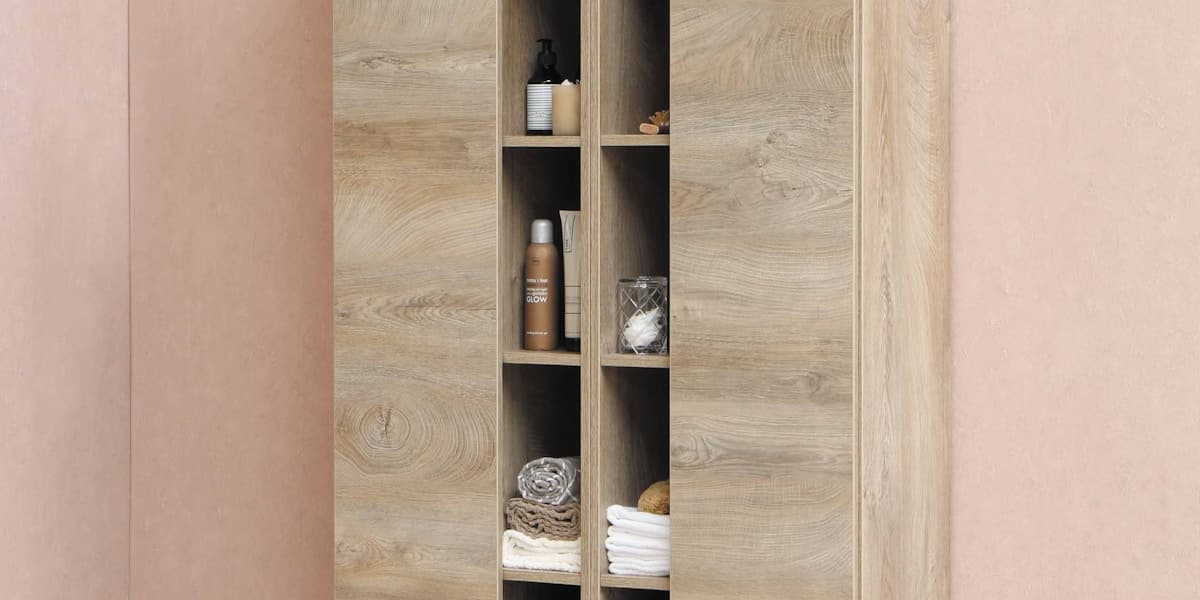
Closed storage means cupboards, drawers, trunks, lidded benches and cabinets that hide what is inside. It is not automatically smarter than open shelving, but it changes what the room has to process. A closed shoe cabinet reads as one surface. A rack with twelve pairs of trainers reads as twelve small decisions, especially in a narrow hall with coats already doing their bit to annoy you.
There is a reason small-home forums keep coming back to the same advice: no see-through bins, closed storage where possible, and a place for everything. In one April 2026 r/SmallHome discussion, the complaint was not dirt; it was that visual clutter made an otherwise clean space feel messy. That distinction matters. A room can be clean and still exhausting.
Opaque fronts help most in high-traffic rooms. Hallways, living rooms and bedrooms benefit more than lofts or understairs cupboards.
Depth needs discipline. For small rooms, 30 to 40 cm deep storage often works better than a 55 cm unit that blocks the door swing.
Budget realistically. Basic closed shoe cabinets tend to sit from £49.99 to £149.99; sturdier storage chests run from about £59.99 to £180.00.
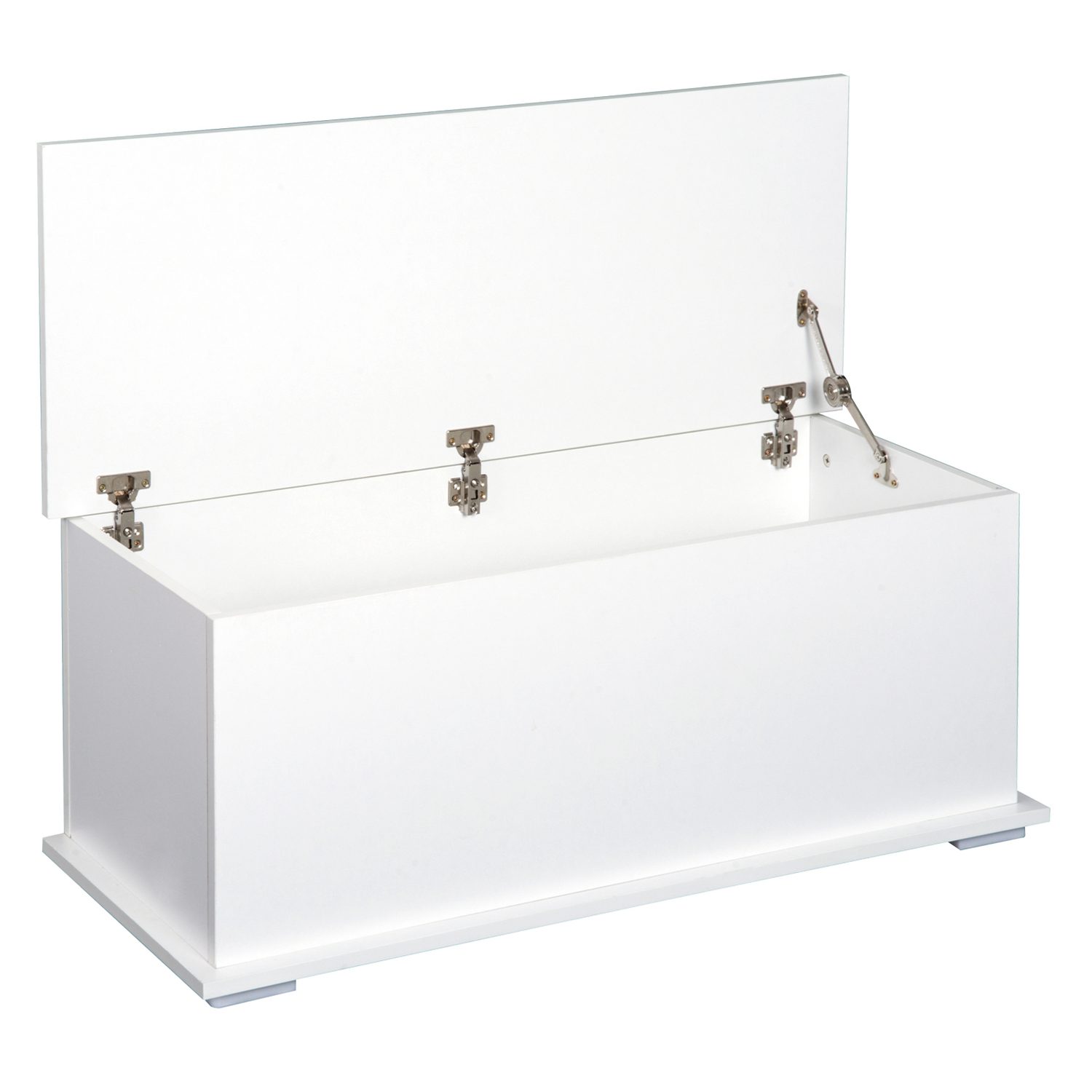
Safety hinges matter on trunks. A 100L or 113L flip-top chest can swallow bedding, but a heavy lid is a faff and a finger trap without slow-close hinges.
Common mistake: buying a pretty basket for things you use daily. Baskets look soft in photos, but in real life they slump, snag wool and become one more open container full of cables, receipts and lip balm.
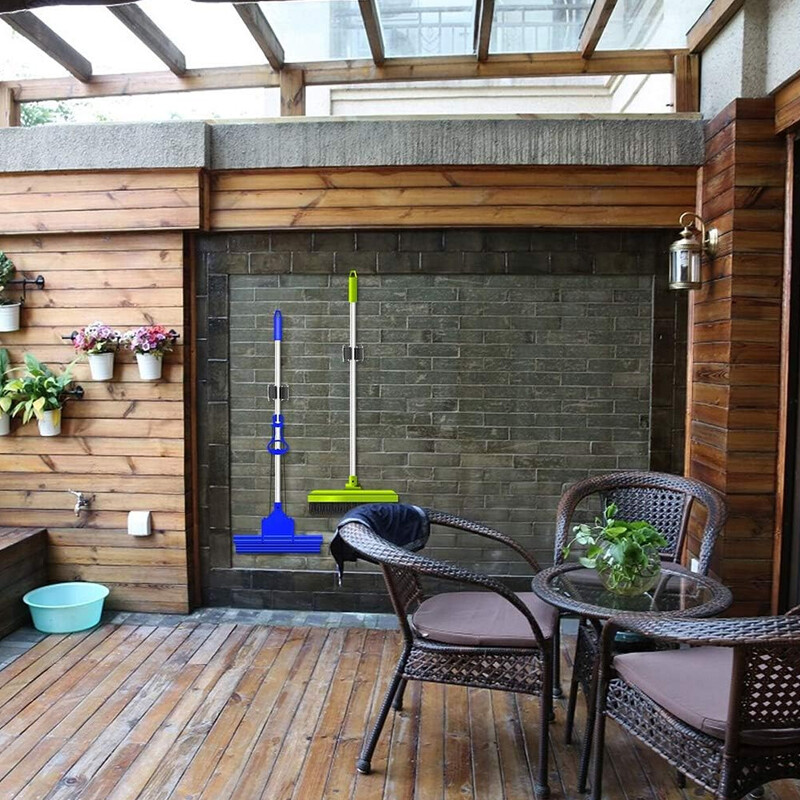
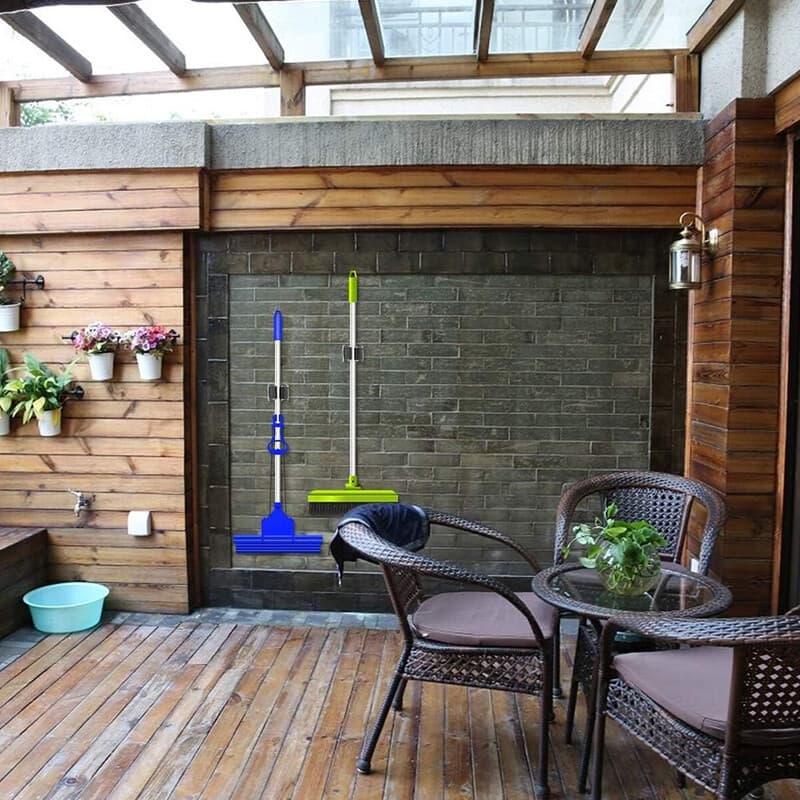
Small homes usually run out of floor before they run out of wall. Vertical planning is the act of deciding which objects deserve wall height, cupboard height or door-back space, rather than letting everything squat at ankle level. It is why a wall-mounted broom holder can be a better intervention than another utility basket under the sink.
The trick is restraint. A wall covered in hooks can look as chaotic as a pile on the floor. Vertical storage works best for categories with repeat shapes: brooms, mops, pans, ironing boards, cleaning sprays, bags. It works badly for miscellaneous doom piles, which is why the Doom Diamond decluttering method covered by Ideal Home on 13 April 2026 is useful: stagnant piles obstruct surfaces, and blocked surfaces stop cleaning from working properly.
Measure usable height, not total height. A 2.3 m wall may only give you 1.8 m of comfortable reach before step-stool territory.
Check door clearance. Over-door racks can need 2 to 4 mm above the door and may scrape in older frames.
Wall fixings are the boring bit that matters. Plasterboard anchors rated to 10 kg are not the same as screws into masonry.
Allow landing zones. A hook rail 110 to 140 cm from the floor suits bags and jackets better than one placed too high for children.
Common mistake: treating every blank wall as storage potential. If the wall is in your line of sight from the sofa or bed, open vertical storage may worsen the exact visual noise you were trying to calm.
Boxes are not villains. They are brilliant for loft stock, sentimental items, spare bulbs, camping kit, seasonal clothes and anything that genuinely leaves the room for months. A labelled opaque box on a high shelf can be tidy, protective and cheap. Clear boxes also have one real advantage: you can see the contents without opening six lids while muttering under your breath.
The counterargument to my thesis is fair: in some homes, buying containers is the only affordable step before a bigger fix. A renter may not be allowed to drill. A family may need school uniform contained tonight, not after a weekend of joinery. If a £12.99 lidded box stops Lego spreading under the sofa, it has earned its keep. The answer is not no boxes. It is fewer boxes, used for categories that have edges.
Seasonal items suit boxes. Aim for 30L to 50L for clothes so they can be lifted without a dramatic scene.
Clear boxes belong behind closed doors. In a cupboard, visibility is helpful; in a living room, it is visual clutter with handles.
Matching is less important than opacity. Six identical transparent tubs still show six separate messes.
Labels should name the decision. Winter hats is useful; random is an admission that the box has failed.
Common mistake: buying containers before editing the contents. You end up paying to preserve the pile, and now the pile has a lid.
A home for a thing is the exact place it returns to after use. A holding pen is where it waits because nobody has decided. Most household clutter is not rubbish. It is undecided stuff: batteries, tape measures, gloves, chargers, birthday cards, receipts, screws in tiny bags, the one Allen key you might need but definitely will not find.
This is where closed storage can either solve the problem or disguise it. A 10-drawer fabric dresser, for instance, is useful if each drawer has a category: scarves, gym kit, cables, pet things. It is a disaster if every drawer becomes a soft-sided junk drawer. Drawers reduce visual clutter only when the categories are narrow enough that you can retrieve something in under 20 seconds.
Use small zones inside closed storage. Drawer dividers, envelopes and shallow trays stop one drawer becoming a swamp.
Frequency should decide placement. Daily items need waist-to-eye height; once-a-year items can tolerate a top shelf.
One-in-one-out works for repeat categories. Tea towels, mugs, tote bags and trainers should have a hard limit.
Paper needs an address. A slim filing drawer or document box beats a stack on the kitchen worktop every time.
Common mistake: confusing hidden with handled. If the cupboard makes you flinch when you open it, the clutter has merely moved backstage.
The hallway is the most honest room in the home because it has no patience. It takes the school run, the dog lead, the post, wet umbrellas and everyone’s shoes, then exposes your storage system within an hour. If the hall works, the rest of the home often feels calmer. If it fails, every arrival starts with stepping over something.
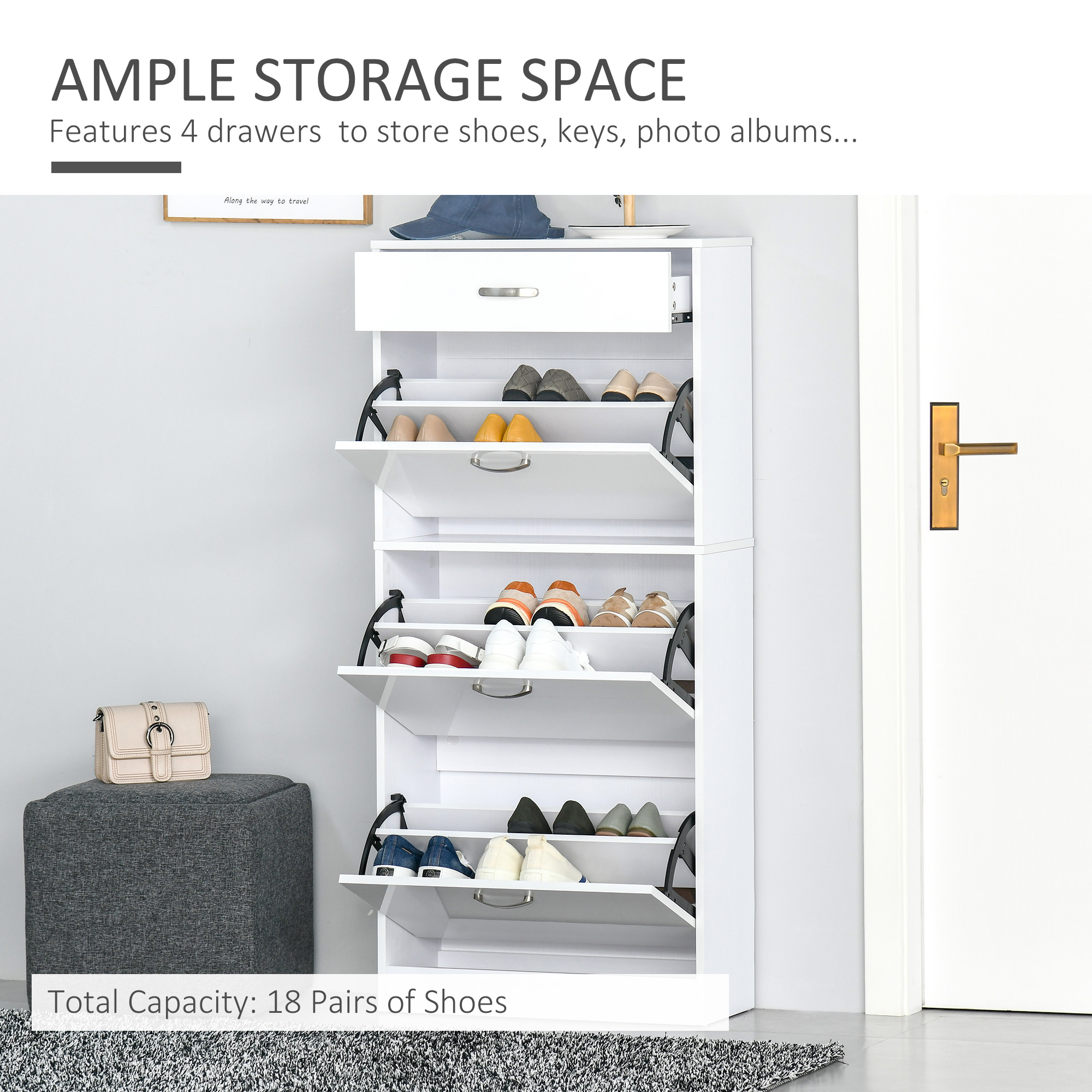
Closed Shoe Storage is one of the few pieces I think many small UK homes should consider early. Not because shoes are morally offensive, but because rows of footwear create instant visual clutter. A slim cabinet around 24 to 30 cm deep can fit where a bench will not. A larger 18-pair unit can be useful in a family hallway, but only if you have the wall width and can still open the front door fully.
Depth first. Measure from skirting board to door swing; 25 cm of usable depth is different from 25 cm on a product page.
Ventilation helps. Fully sealed shoe storage can smell dodgy if damp trainers go straight in.
Seat storage earns its footprint. A bench with a 100L compartment can hold bags or hats while giving someone a place to tie laces.
Daily shoes deserve the easiest slot. If children cannot use it without help, the floor will win.
Common mistake: buying a hallway unit for the life you wish you had. If your family kicks off shoes in a heap, choose tilt-out doors or low cubbies behind a closed front, not tiny individual compartments.
Prioritise closed pieces that use awkward edges: a slim shoe cabinet in the hall, a lidded storage bench under a window, and wall-mounted cleaning storage inside a cupboard if your tenancy allows fixings. Avoid clear tubs in visible rooms. If you need to browse options, start with the closed and vertical pieces in storage solutions, then reject anything deeper than your walkway can spare. In a flat with a 70 cm hallway, 35 cm of furniture is not storage; it is an obstacle.
Victorian terrace with awkward rooms
Use alcoves, chimney-breast gaps and the dead zone under stairs, but do not fill every recess with open shelves. A 158 cm alcove can take a proper cupboard or chest better than a display unit pretending to be practical. Measure skirtings, picture rails and floor slope before ordering. Older houses often need freestanding storage that can forgive wonky walls, plus a few wall hooks placed where the family actually drops things.
Modern new-build with the opposite problem
New-builds can have cleaner lines but oddly shallow storage, so the risk is buying too many small units that pepper every wall. Choose fewer closed cabinets with calm fronts, then keep open shelving for objects worth seeing. Watch socket positions, radiator placement and broadband boxes. If the room is a plain rectangle, visual clutter will show quickly, so your best move is uniform closed storage rather than a parade of baskets.
FAQs
What are the best small home storage ideas for reducing visual clutter in the UK?
Closed storage, vertical planning and strict homes for everyday items make the biggest difference. In UK flats and terraces, that usually means slim hallway shoe cabinets, lidded benches, drawer-based storage and wall-mounted utility holders placed out of main sightlines.
Are clear storage boxes bad for small homes?
They are not bad, but they are often used in the wrong place. Clear boxes work well inside cupboards, lofts or sheds because visibility helps retrieval. In living rooms, bedrooms and hallways, they keep every object on show and can make a clean room feel messy.
How do I make a rented flat look less cluttered without drilling?
Use freestanding closed storage, over-door options that do not scrape, under-bed drawers and furniture with hidden compartments. Keep the colour palette quiet and avoid open baskets in main sightlines. Always check your tenancy before adding fixings.
Is closed storage always better than open shelving?
No. Open shelving is good for books, a small run of attractive kitchenware or objects you use constantly and keep tidy. It fails when it becomes overflow storage for mixed categories. If the contents are not worth looking at, use doors or drawers.
How much storage should a small hallway have?
Enough for daily shoes, coats, keys and bags, but not the whole household archive. Measure the door swing and walkway first. In many UK halls, 24 to 30 cm deep shoe storage is more realistic than a full-depth bench or wardrobe.
How do I stop storage boxes becoming doom piles?
Give every box a narrow category and label it honestly. If a box contains mixed items, empty it and sort by where the items are used. Random boxes are just delayed decisions, and they tend to breed in cupboards.
What should I declutter before buying new storage?
Start with duplicates and low-value repeats: tote bags, old chargers, chipped mugs, excess bedding, worn towels and shoes nobody wears. Then measure what remains. Buying storage after the edit gives you a smaller, clearer brief.
What to do next
Before you buy another container, spend 20 minutes with a tape measure and a bin bag. Measure your hallway depth, the width of any alcove, the space under the bed and the cupboard shelves you already own. Count the categories sitting on surfaces: post, chargers, keys, school letters, cleaning sprays, shoes. Each category needs a home, not a prettier waiting room.
Then choose one pressure point. If it is shoes, solve the hall. If it is cleaning kit, look up and use a cupboard wall. If it is laundry, give it a lidded or drawer-based system rather than another floppy basket. The savvy move is not buying more storage; it is buying less visible storage, in the exact place the mess begins.
Villalta Home Editorial is the in-house byline used for buying guides and product roundups on villaltaco.uk. Each guide is written by the editorial team, drawing on the catalogue's measurable data — real dimensions, materials, UK use cases, price bands — and on hands-on research into how products actually perform in UK homes. Every post tagged with this byline is reviewed and approved by Juan Antonio Villalta Pacheco, the founder and editor, before it goes live. See our editorial standards for the full process.