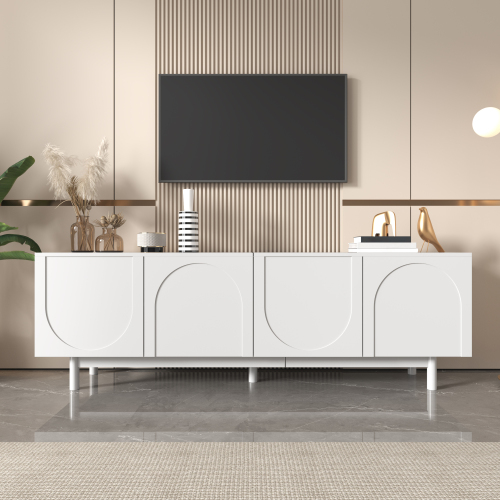
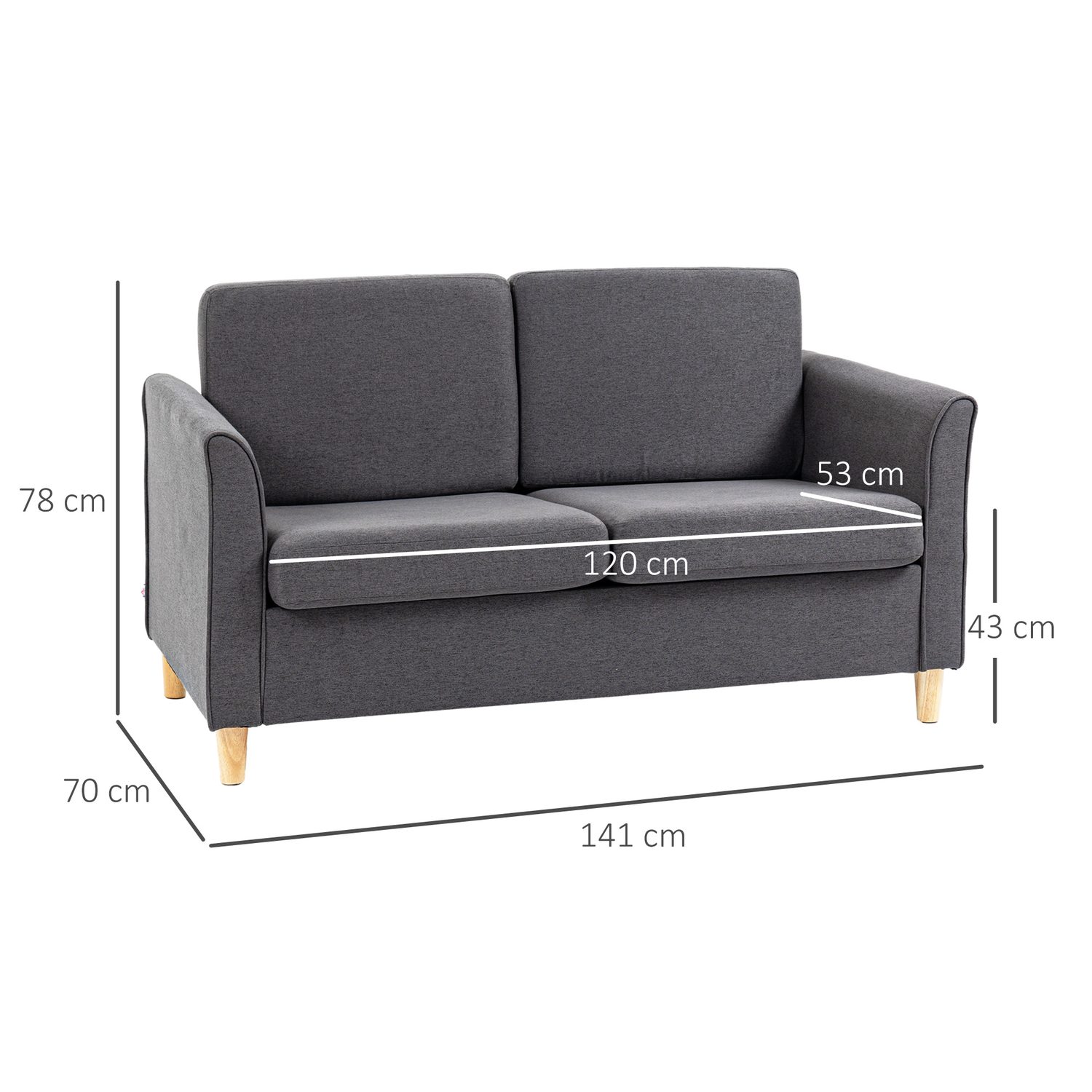
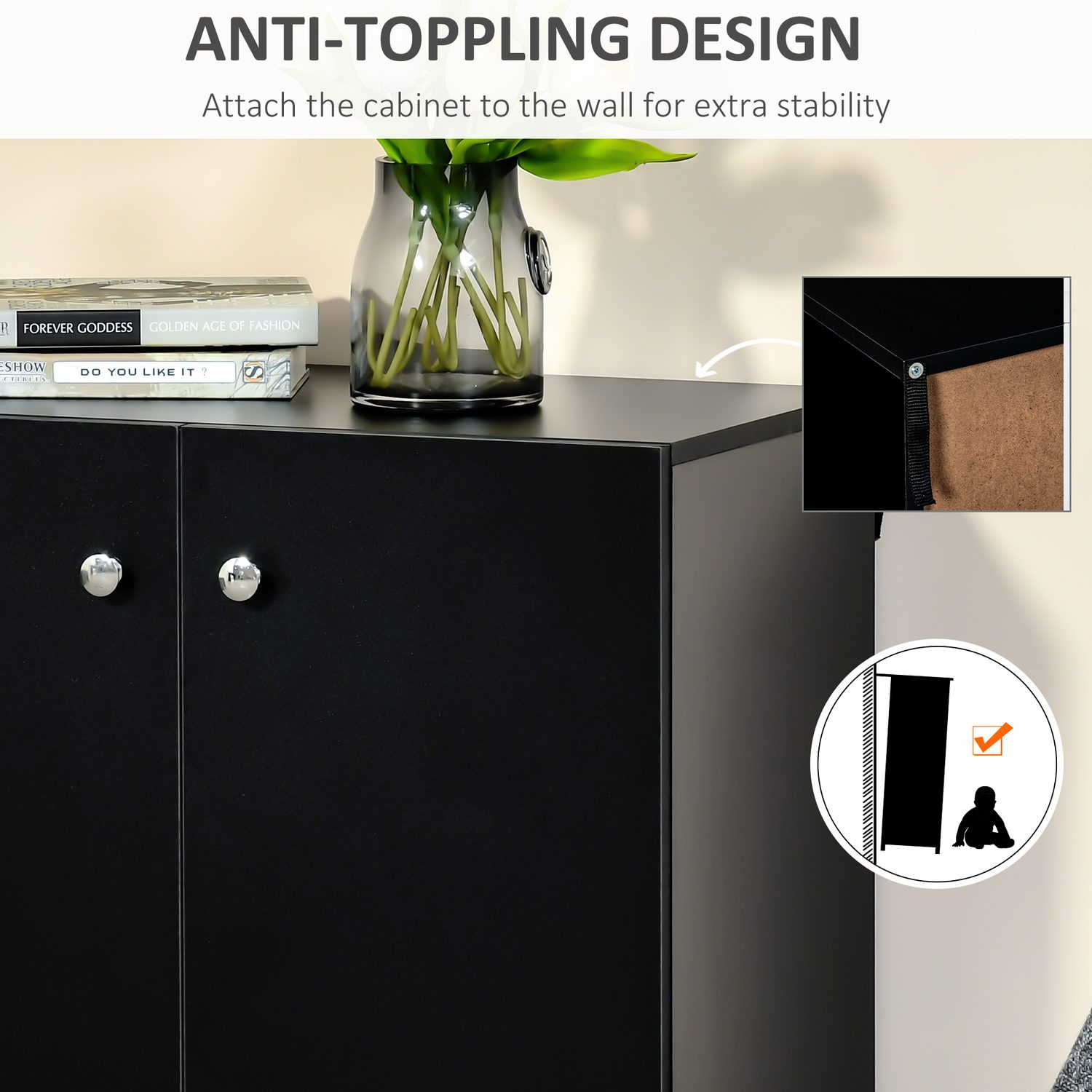
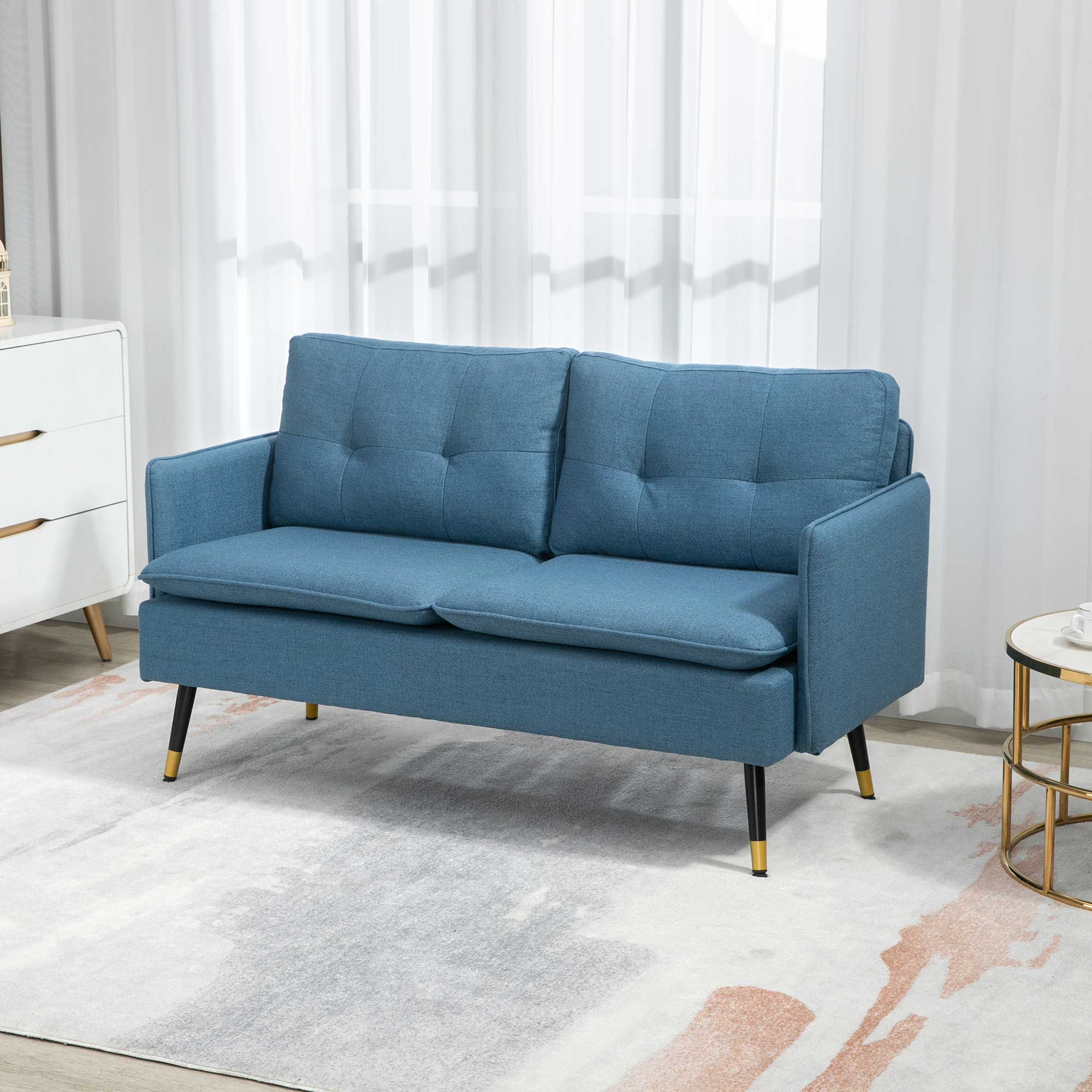
If you are searching for a practical TV unit buying guide UK shoppers can actually use, the key decision in 2026 is still the same: should you choose a wall-mounted TV unit or a freestanding one? The right answer depends less on trends and more on your room size, wall type, storage needs, cable setup and how often you expect your layout to change. A sleek floating unit can make a sitting room feel lighter and more contemporary, while a freestanding design is often easier to install, easier to move and more forgiving in rented homes.
At Villalta Home Co., we see many people focus first on finish or colour, then realise later that cable mess, skirting boards, plug socket positions and TV width matter more than they expected. This guide compares both styles honestly, explains how to size a unit for different TV screens, and covers cable management tips that make a bigger difference than most people think. If you are updating your wider living room furniture, it is worth treating the TV unit as part of the whole layout rather than a standalone purchase.
Wall-mounted vs freestanding TV Units: what is the real difference?
Both styles can work beautifully, but they solve different problems.
Wall-mounted TV units
A wall-mounted or floating TV unit is fixed to the wall, leaving floor space visible underneath. This tends to create a cleaner, more spacious look, especially in smaller UK lounges, new-build homes and open-plan living areas. It also makes vacuuming easier and can visually reduce bulk.
The trade-off is installation. You need a suitable wall, secure fixings and careful measuring. Solid masonry walls are usually straightforward with the right anchors, but plasterboard walls may need specialist fixings or noggins. In some flats and newer properties, hidden services in walls can complicate matters. Wall-mounted units also tend to be less forgiving if you later change TV size or move house.
Freestanding TV units
Freestanding TV units sit directly on the floor and are generally the more flexible option. They are easier to place, easier to reposition and usually offer more enclosed storage. If your room layout changes seasonally, if you rent, or if you are not keen on drilling into walls, freestanding is often the practical choice.
The downside is visual weight. In a compact room, a chunky freestanding cabinet can dominate the wall. Dust also gathers underneath unless the design has legs with enough clearance. Still, for many households, especially family homes, the convenience outweighs the cleaner look of a floating model.
Usually greater, especially with drawers/cupboards
Cable concealment
Can look very neat, but needs planning
Easier access behind unit, though cables may remain visible
Suitability for renters
Less ideal due to drilling
Usually better
Cleaning
Easy underneath
Depends on leg height and footprint
Future moves
Less adaptable
Easier to relocate or repurpose
How to choose the right style for your room
For small UK living rooms
In many British homes, especially terraces, flats and newer developments, the sitting room is not huge. A wall-mounted unit can help by exposing more floor area and making the room feel less crowded. Lighter finishes, such as white or pale wood, also help bounce natural light around on overcast days.
That said, if your room is small because storage is limited, a compact freestanding unit with proper cupboards may still be the better buy. A beautiful floating shelf looks smart until games consoles, remotes, routers and board games end up piled beside it.
For family rooms with lots of devices
If you have a soundbar, set-top box, games console, Wi-Fi router and perhaps a record player or media box, freestanding units usually make life easier. Adjustable shelves and enclosed sections help hide clutter while keeping equipment accessible. Something like a wider cabinet with flexible shelving is often more practical than a minimal floating shelf.
For example, a low, roomy design such as the bedroom furniture link would not be relevant here, but within media storage a piece like the modern black TV cabinet with adjustable shelves suits households that need proper organisation rather than just a stylish platform.
For contemporary, minimalist interiors
If your aim is a calm, architectural look, wall-mounted units still lead. They pair particularly well with wall-mounted televisions, concealed LED Lighting and simple Coffee Tables. Just be realistic: minimalism only works if the cables, extension leads and accessories are genuinely under control.
For period homes and uneven walls
Older UK properties can present quirks such as uneven plaster, chimney breasts, skirting variations and less predictable wall construction. In these homes, freestanding units are often less stressful. A floating unit can still work, but installation usually takes more planning and sometimes more compromise than people expect.
Expert tip: Before buying any TV unit, measure not just the wall width but also skirting depth, radiator projection, socket height and door swing. These small details are what most often turn a “perfect” unit into an awkward fit.
TV unit sizing: what works for different TV sizes?
One of the most common mistakes is choosing a unit that is too narrow for the television. Even if the TV can technically stand on it, the proportions may look top-heavy and the setup can feel unstable. As a rule, the unit should usually be wider than the TV, ideally by at least 10-20cm overall, and often more if you want a balanced look.
Recommended width guide
These are sensible starting points rather than hard rules:
For 43-inch TVs: look for units around 100-140cm wide.
For 50-inch TVs: around 120-160cm wide works well.
For 55-inch TVs: around 140-180cm is usually the sweet spot.
For 65-inch TVs: aim for roughly 160-200cm.
For 75-inch TVs: 180cm and above is often safest visually and practically.
If your TV is wall-mounted above the unit, you have a bit more freedom, but the furniture still needs to anchor the composition. A very small cabinet under a large screen can make the whole wall look unbalanced.
Height matters too
For freestanding units, lower designs are generally better because they keep the screen at a comfortable viewing angle. In most UK living rooms, the centre of the TV should sit roughly at seated eye level, though this varies with sofa height and viewing distance. Mount the TV too high and neck strain becomes a real issue, especially during longer viewing.
Depth and device storage
Do not ignore depth. Slimline units look elegant, but older sound systems, gaming consoles and some set-top boxes still need enough space behind or inside the cabinet for plugs and airflow. If the unit is too shallow, cables can force it away from the wall, defeating the neat look you wanted.
Cable management tips that actually work
Good cable management is often the difference between a polished room and one that always feels unfinished. Whether you choose wall-mounted or freestanding, plan the wiring before the unit arrives.
1. Map every device first
List everything that needs power or signal: TV, soundbar, console, streaming box, router, lamp, charger and subwoofer. Count both plugs and cable routes. Many people buy a unit based on TV size alone and forget the rest of the setup.
2. Check socket locations
In UK homes, sockets are not always where you want them. If the nearest outlet is off to one side, visible trailing leads can ruin the look. For wall-mounted units, think carefully about whether cables will drop visibly beneath the cabinet. Surface trunking can help, but it is rarely as invisible as buyers hope.
3. Use ventilation-friendly storage
Closed cupboards are tidy, but media devices generate heat. Choose units with cable cut-outs, rear openings or adjustable shelves so equipment can breathe. Overheating is not just inconvenient; it can shorten the life of your kit.
4. Label cables now, thank yourself later
Small cable tags or simple masking tape labels make troubleshooting much easier. This matters more than ever in 2026, when many households are juggling smart TVs, hubs, speakers and chargers in one zone.
5. Consider wall shelving for overflow
If your media setup includes decorative items, books or a router that you would rather keep off the main cabinet, a supplementary shelf can help. A piece like the modern 5-tier wall shelf can work nearby for styling or practical storage, though it is best used thoughtfully so the TV wall does not become too busy.
Materials, finishes and what suits British homes
Finish is not just about style. In the UK, natural light can be limited for much of the year, so glossy white and lighter wood tones often help brighten a room. Dark finishes can look sophisticated, but in a north-facing lounge they may absorb light and feel heavier than expected.
High gloss
High-gloss TV units reflect light and suit modern interiors well. They can make a room feel brighter and a little more polished. The drawback is maintenance: fingerprints, dust and micro-scratches show more readily, especially on black gloss.
Wood-effect and matt finishes
These are often more forgiving in daily life. They tend to hide smudges better and can soften the look of a screen-heavy wall. Scandinavian-inspired designs remain popular because they balance practicality with warmth.
LED-lit designs
Integrated LED TV units are still around in 2026 and can look striking, especially in contemporary schemes. But they are not for everyone. Some people love the ambient glow; others find it dates more quickly than a simple design. If you are unsure, choose a unit that still looks good with the lights off.
Choose a wall-mounted unit if you want to maximise visible floor area, create a cleaner modern look and are confident your wall can take the load. It is especially effective in compact rooms where visual lightness matters more than maximum storage.
It is less ideal if you rent, dislike installation work, expect to move soon or need lots of hidden storage. It can also be frustrating in homes with awkward wall surfaces or where sockets are poorly placed.
Freestanding TV unit: when it is the best choice
Choose freestanding if you value flexibility, easier installation and more storage. It is the safer all-round option for many households and often the more sensible choice for busy family living. If you are refreshing several pieces at once, it also tends to coordinate more easily with other living room furniture such as coffee tables, Sideboards and shelving.
Its main drawback is bulk. In a very small room, a large freestanding cabinet can make the wall feel crowded. The answer is usually not to avoid freestanding entirely, but to choose a lower, wider design with cleaner lines and enough leg clearance to keep the room feeling open.
Common buying mistakes to avoid
Buying for the TV only: remember consoles, routers, soundbars and storage.
Ignoring wall type: crucial for floating units in UK homes.
Choosing a unit that is too small: it can look mean and feel unstable.
Forgetting skirting boards: they can stop units sitting flush.
Overlooking cable exits: rear access matters more than you think.
Picking style over practicality: especially if the room is used daily by the whole family.
Our verdict: which should you buy in 2026?
If your priority is a sleek, spacious look and your wall can handle it, a wall-mounted TV unit is still the more architectural option. But for most UK homes, especially where storage, flexibility and easier installation matter, a well-proportioned freestanding TV unit remains the safer and more versatile buy.
Our general recommendation is simple: buy the largest unit your wall and room can comfortably take, make sure it is wider than your TV, and plan your cables before you click purchase. A good TV unit should not just hold the screen; it should make the whole room work better.
FAQs
Is a wall-mounted TV unit better for small living rooms?
Often, yes. A wall-mounted unit exposes more floor area and can make a compact room feel lighter and less crowded. However, if you need a lot of hidden storage for devices and household clutter, a slim freestanding unit may still be the better practical choice.
How wide should a TV unit be compared with the TV?
As a general rule, the unit should be wider than the television, ideally by at least 10-20cm overall and often more for better visual balance. Larger TVs, such as 65-inch and 75-inch models, usually look best on units 160cm wide or more.
Are wall-mounted TV units safe on plasterboard walls?
They can be, but only with the correct fixings and only if the wall structure is suitable. In some cases you may need to fix into studs or add support behind the plasterboard. If you are unsure, it is worth getting professional advice rather than guessing.
What is the best way to hide TV cables?
The neatest result comes from planning cable routes before installation, using units with rear cable openings, grouping devices sensibly and keeping sockets in mind. Cable trunking can help, but it is usually less discreet than buyers expect, so built-in cable management is preferable where possible.
Is a freestanding TV unit better if I rent my home?
Usually, yes. Freestanding units avoid major drilling, are easier to move and are less likely to cause issues when you redecorate or move out. They are generally the more renter-friendly option.
Villalta Home Editorial is the in-house byline used for buying guides and product roundups on villaltaco.uk. Each guide is written by the editorial team, drawing on the catalogue's measurable data — real dimensions, materials, UK use cases, price bands — and on hands-on research into how products actually perform in UK homes. Every post tagged with this byline is reviewed and approved by Juan Antonio Villalta Pacheco, the founder and editor, before it goes live. See our editorial standards for the full process.