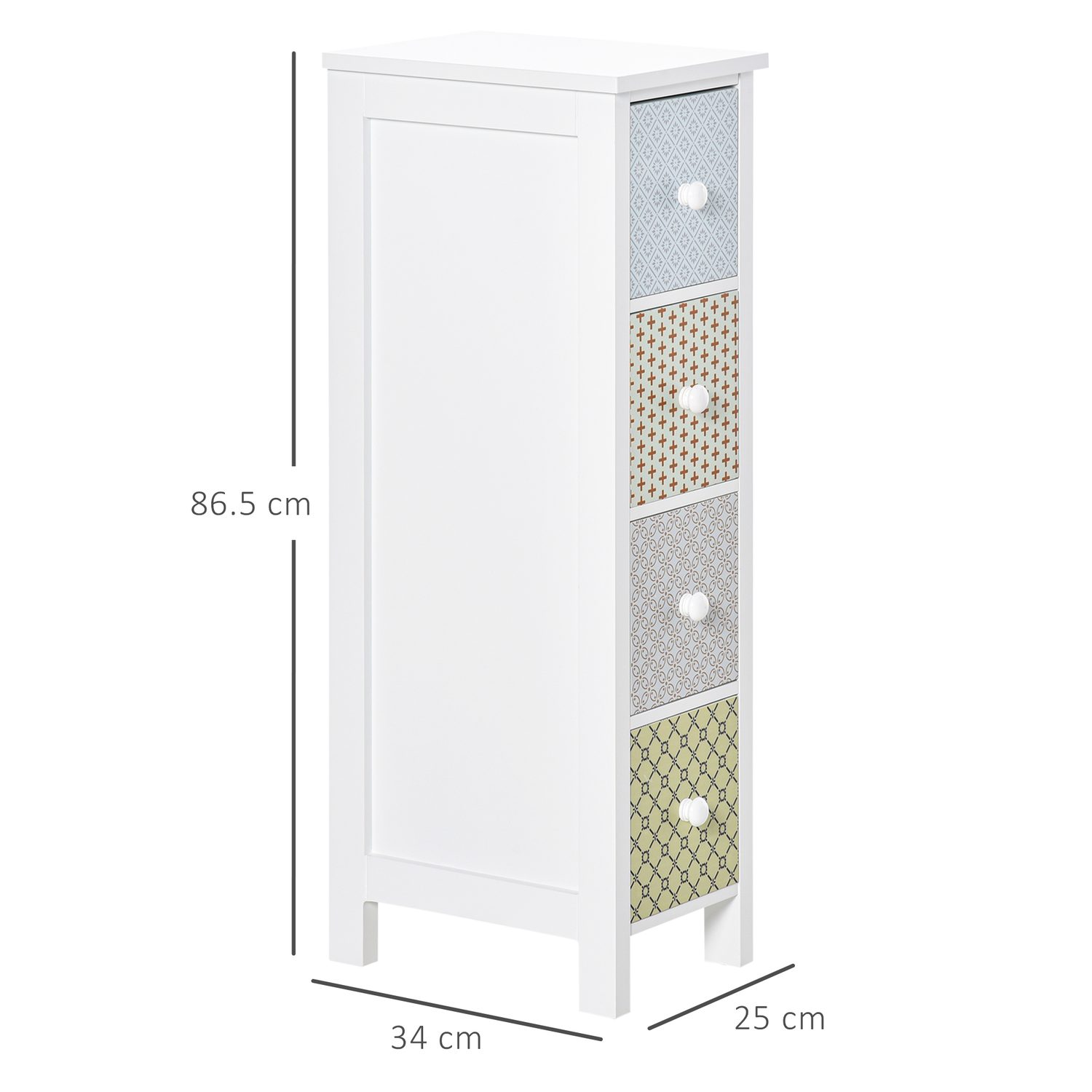
If you’ve searched for storage ideas for a small house in the UK, you probably don’t need vague advice about “decluttering more”. What you need is a realistic plan for homes with narrow hallways, box bedrooms, awkward alcoves, under-stairs voids and bathrooms that barely fit a laundry basket. In many British homes, especially terraces, Victorian conversions, ex-council flats and newer compact-build properties, every centimetre has to work harder.
The good news is that small-space storage is less about buying dozens of organisers and more about choosing the right type of storage for each room. The best solutions make daily life easier: shoes don’t pile up by the front door, bedding fits somewhere sensible, and the under-stairs area becomes useful rather than a dumping ground. In this room-by-room guide, we’ll look at practical, honest ways to create order without making your home feel cramped, with smart ideas drawn from real UK layouts and everyday constraints.
If you’re building a wider plan for Storage & Organisation, think in terms of three jobs: hiding visual clutter, using vertical space, and making awkward corners accessible. Get those right and even a small home can feel calmer and more spacious.
Start with a small-home storage strategy
Before buying anything, take ten minutes to assess how each room is actually used. In smaller homes, storage often fails because furniture looks right on paper but blocks circulation, door swings or radiator heat. A slim cabinet that keeps the floor clear can work better than a deeper unit that stores more but makes the room frustrating to move through.
Measure the pinch points first
In UK homes, the usual problem spots are entrance widths, stair clearance, bed access and shallow alcoves. Measure:
Door opening width and handle clearance
Depth available in hallways without creating a bottleneck
Height under eaves or stairs
Gap under the bed frame
Wall space above radiators, sockets and skirting boards
This matters because “compact” storage sold online can still be too deep for a narrow terrace hallway or too tall for a sloping loft conversion.
Choose closed storage for visual calm
Open shelves can look airy, but in small homes they often create visual noise. If you’re storing mixed items such as chargers, hats, paperwork or Cleaning products, closed cupboards and lidded boxes usually make the room feel tidier faster. Reserve open storage for things you use every day or genuinely want on show.
Expert tip: In compact rooms, aim to keep at least 70-80cm of clear walkway where possible. A storage unit that technically fits but narrows the route too much will make the whole house feel smaller every single day.
Hallway storage ideas for narrow UK entrances
The hallway is where clutter announces itself first. In many UK homes, it’s also one of the tightest spaces, so bulky coat stands and deep Sideboards can quickly become irritating. The trick is to combine several functions in one footprint.
Use a slim shoe cabinet instead of open piles
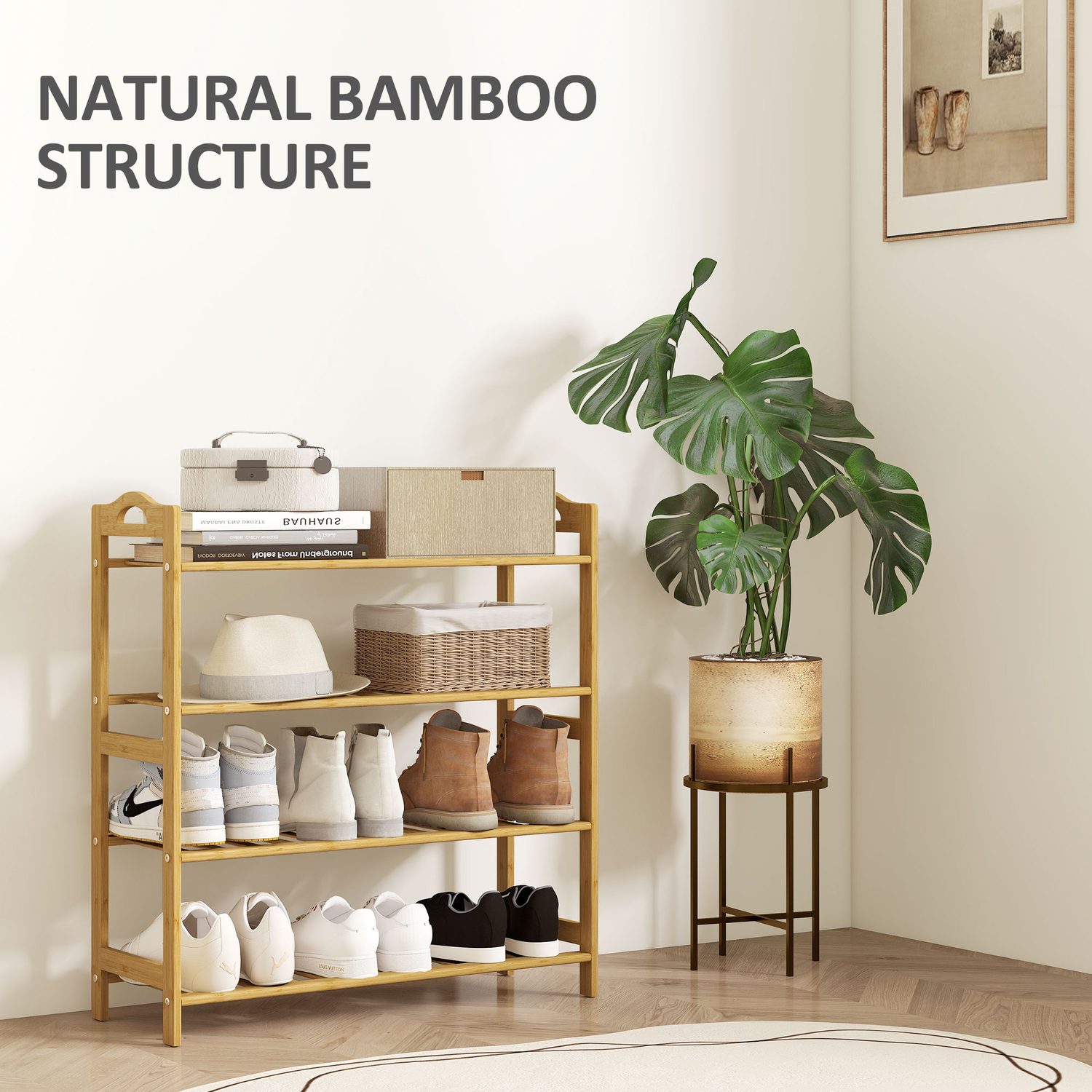
Shoes are the usual culprit. A dedicated cabinet keeps them out of sight and stops the entrance from feeling chaotic. For family homes, a model with adjustable shelves is particularly useful because school shoes, boots and trainers all need different heights. If you want something practical for everyday use, a piece like a modern shoe cabinet or a larger hallway unit can work much harder than a simple rack.
For example, a furniture approach that favours enclosed storage translates well to hallways too: cleaner lines, less dust settling on everything, and a neater first impression.
Add a bench if you genuinely use it
A storage bench is brilliant in theory, but only if there’s room to sit down without blocking the route in and out. In a wider entrance, an upholstered bench can store scarves, reusable bags or dog leads while giving you somewhere to put on shoes. In a very narrow hallway, however, a wall-mounted rail plus slim shoe cabinet may be the better call.
Go vertical for coats and grab-and-go items
Wall hooks, a high shelf and a compact umbrella stand often outperform one oversized hallway unit. That said, if your entrance has enough width, a combined hall tree with hooks, shelving and Shoe Storage can be efficient because it consolidates clutter into one station rather than spreading it across the house.
Too many small organisers can become clutter themselves
Bedroom storage ideas when floor space is tight
Bedrooms in UK homes are often where storage pressure peaks, especially in second bedrooms and box rooms. The challenge is fitting clothing, spare bedding, seasonal items and laundry without turning the room into an obstacle course.
Make the bed earn its footprint
The biggest item in the room should also be your hardest-working one. If you already have a bed frame with enough clearance, zipped under-bed storage bags are one of the easiest wins. They’re ideal for spare duvets, off-season clothes and guest bedding, particularly in homes without airing cupboards.
Clear-window bags are especially useful because you can see what’s inside without dragging everything out. Still, there is a trade-off: in damper homes or poorly ventilated rooms, soft storage under the bed can trap stale air if items are packed away slightly damp. Always store fully dry textiles and, if your home is prone to condensation, check them seasonally.
Choose taller storage rather than wider
A tall chest of drawers often works better than a low wide one in a small bedroom because it preserves more usable floor space. In practical terms, a seven-drawer chest can hold a surprising amount while leaving room for a bedside table or a clearer route around the bed.
That same principle applies when browsing storage solutions: vertical storage nearly always gives a better return in compact rooms than adding more low furniture.
Use the top of wardrobes thoughtfully
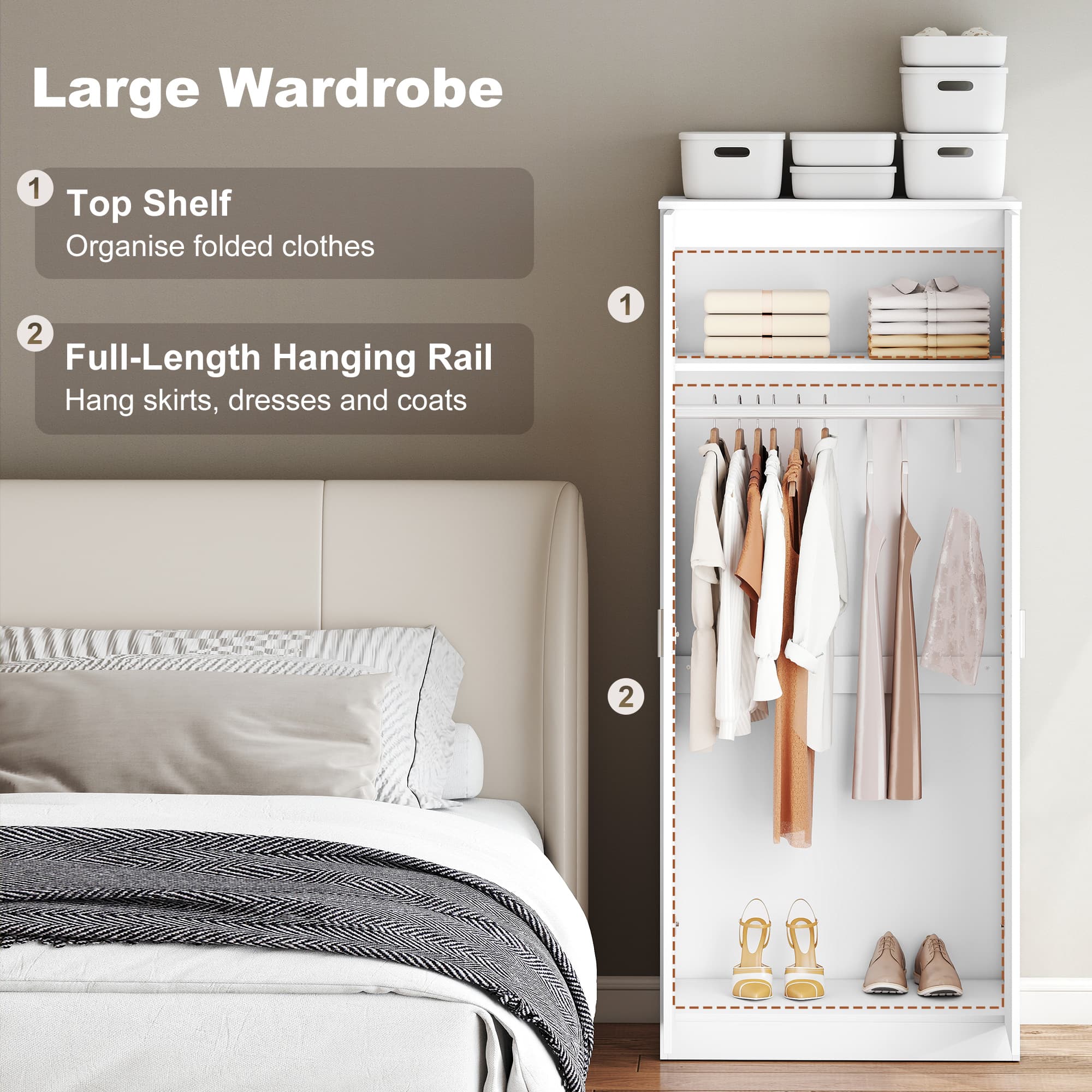
The gap above wardrobes is often wasted or becomes a dust trap. Matching lidded boxes can turn it into useful long-term storage for suitcases, Christmas decorations or paperwork. Just avoid putting heavy items up high unless you can access them safely.
Don’t overfill a box room
It’s tempting to cram every wall with furniture, but a small bedroom still needs breathing room. If the room doubles as a guest room or office, one multifunctional piece is usually better than several single-purpose ones. In children’s rooms, a raised or cabin-style bed can free up floor area below, but only if the child is old enough and the ceiling height allows comfortable use.
Under-stairs storage ideas that actually work
Under-stairs space is one of the biggest missed opportunities in British homes. It often becomes a black hole for shopping bags, old coats and cleaning supplies simply because access is awkward. The right solution depends on whether you want quick access or hidden storage.
For everyday use: zones beat one big cupboard
If the area is open, divide it by category: shoes near the front, cleaning tools further back, and less-used household items in labelled bins. One giant mixed pile wastes the space almost as much as not using it at all.
For a cleaner look: doors or pull-out units
Bespoke pull-out drawers are excellent, especially in period properties with odd angles, but they are the costliest option. A more budget-friendly route is adding simple shelves and baskets behind a door. It won’t feel as luxurious, but it can still be hugely practical.
What to store under stairs
Hoover and cleaning products
Pet supplies
Bulk loo roll and household consumables
School bags and sports kit
Occasional pantry overflow
Seasonal footwear
Avoid storing anything moisture-sensitive if your under-stairs area is cold or near an exterior wall. In some older homes, these spaces can feel slightly damp, particularly in winter.
Living room storage without making it feel crowded
The living room has to do a lot in a small house: relaxing, entertaining, toy storage, paperwork, sometimes even working from home. The key is to stop storage from dominating the room visually.
Hide the mess in furniture you’d want anyway
Coffee Tables with storage, sideboards, TV Units with doors and storage ottomans are all useful because they don’t announce themselves as storage. If your sitting room is also your main family space, closed storage is especially helpful for toys, remotes, chargers and hobby materials.
Use alcoves properly
Many UK terraces and semis have chimney breast alcoves that are perfect for built-in cupboards below and shelving above. If custom joinery isn’t in budget, freestanding units can still work, but measure carefully: even a few centimetres of overhang can look clumsy in a narrow room.
Be realistic about open shelving
Bookshelves can be lovely, but if they become a catch-all for random household overflow, the room will feel busier. A good compromise is a mix of display shelf and closed cabinet so the practical items disappear while decorative pieces remain visible.
Kitchen and dining storage for compact layouts
Small UK kitchens often suffer from shallow cupboards, limited worktops and not enough pantry space. Here, accessibility matters as much as capacity. If you can’t reach or see what you have, you’ll end up buying duplicates and wasting space.
Use cupboard interiors better
Shelf risers, internal baskets and drawer dividers can double the usefulness of standard cabinets. They’re not glamorous, but they work. Deep cupboards benefit from bins or caddies that pull out, especially for baking supplies or packets.
Free the worktop where possible
Countertop clutter makes a small kitchen feel instantly cramped. Wall-mounted knife storage, rails and magnetic solutions can help, as can limiting the number of appliances left out permanently. If you use something once a month, it probably doesn’t need prime worktop real estate.
Make dining furniture multitask
If your dining area is part of the kitchen or living room, a sideboard can be invaluable for tableware, placemats and paperwork. Just make sure it doesn’t reduce circulation around the table too much, particularly in open-plan new-build spaces where every route is doing double duty.
Bathroom and utility storage in moisture-prone spaces
Bathrooms in UK homes are rarely generous, and many lack built-in storage altogether. Add the realities of steam, condensation and awkward plumbing, and not every organiser is a good idea.
Use walls before floors
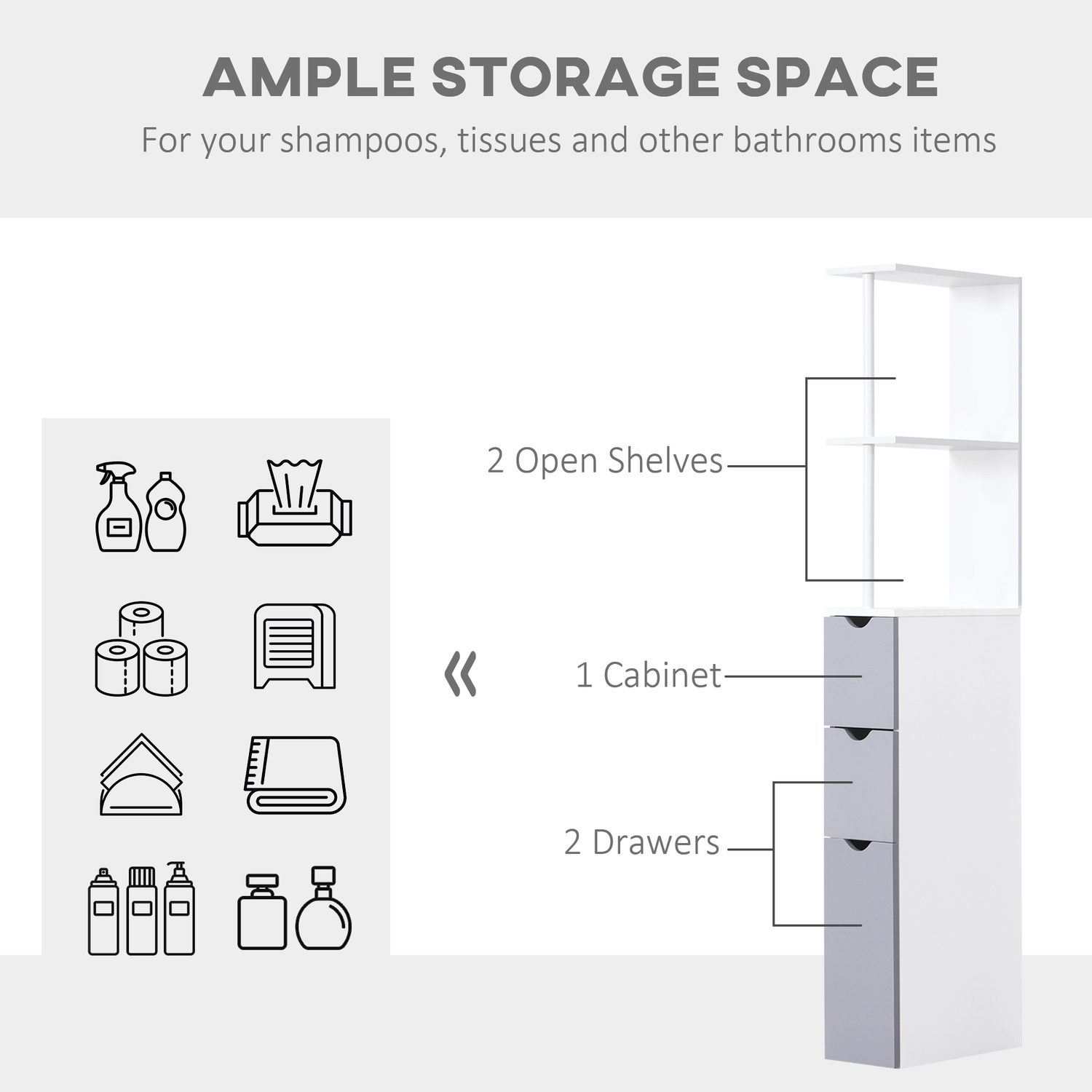
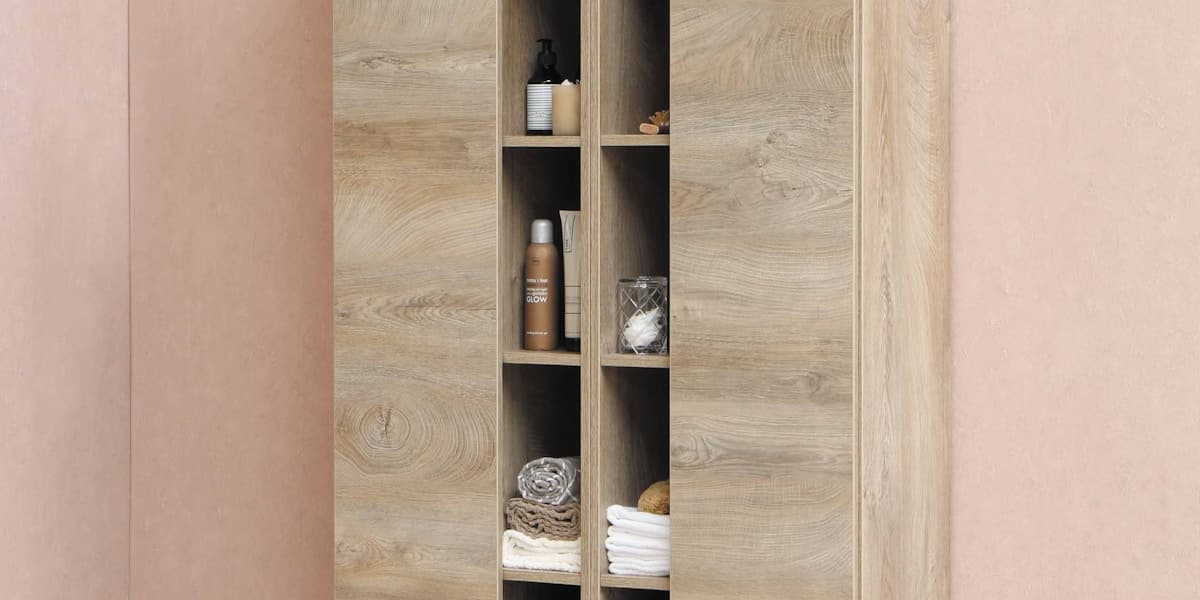
Wall-mounted storage is usually the safest bet in a small bathroom. Over-toilet shelving, mirror cabinets and holders mounted near the basin can keep essentials accessible without sacrificing floor area. A wall-mounted organiser is particularly useful for hair tools that otherwise clutter drawers or windowsills.
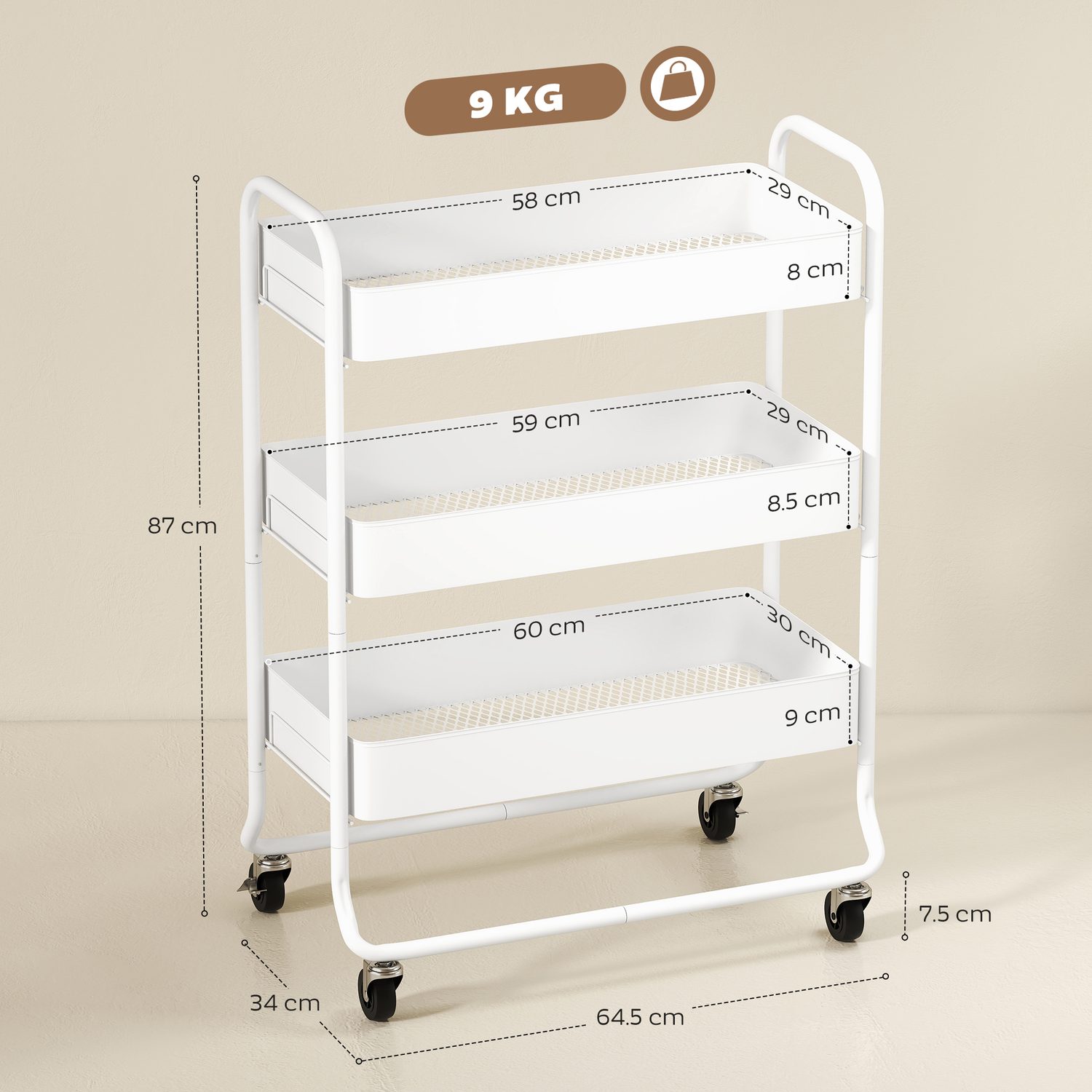
Try a narrow trolley for flexible storage
A slim trolley can slot beside a washing machine, vanity or unused corner and is handy for toiletries, spare loo roll or cleaning products. The benefit is flexibility; the downside is that open trolleys need regular tidying or they start to look messy.
Laundry needs its own system
If your washing machine lives in the kitchen or a cupboard, laundry can spill all over the house. A sorter with separate sections helps enormously in family homes, but only if you have a dedicated spot for it. In very tight spaces, collapsible baskets may be more realistic.
Lofts, box rooms and awkward corners
Some of the best storage in a small house is hidden in the least glamorous places: the top of the landing, under eaves, or a spare corner in a box room. These areas are ideal for lower-frequency storage, but they need the right format.
Under eaves: low, labelled and lightweight
Use low-profile boxes or bags for things you don’t need weekly, such as seasonal clothing, keepsakes or spare bedding. Heavy books or equipment are less suitable because access is awkward and repeated lifting can become a hassle.
Box room as storage hub — but not a junk room
If you’re lucky enough to have a box room, it can become a proper household storage zone with shelving, a chest of drawers and labelled categories. The danger is that it turns into a dumping ground. The fix is simple but important: every shelf should have a purpose, and the floor should stay mostly clear.
Expert tip: The best small-home storage systems are the ones you can reset in five minutes. If putting things away takes too many steps, clutter will creep back in no matter how attractive the organisers look.
Storage should support your life, not become a way to keep everything indefinitely. If a category is overflowing, reduce it first, then choose storage that fits the remaining volume.
Choosing furniture that is too deep
This is one of the most common errors in hallways, bedrooms and landings. A shallower unit that allows easy movement is often more valuable than a larger one with extra capacity.
Ignoring damp and airflow
In older UK homes, condensation and cold spots are real concerns. Avoid sealing slightly damp textiles in under-bed bags or pushing furniture tightly against external walls if mould is already a problem.
Using too many mismatched organisers
A collection of random baskets and boxes can make a small home feel more chaotic, not less. Repeating the same few formats usually looks neater and makes systems easier to maintain.
FAQs
What is the best storage for a small hallway in the UK?
A slim shoe cabinet, wall hooks and, if space allows, a compact hall tree are usually the most effective options. They keep everyday items near the door without blocking circulation in narrow entrances.
How can I add storage to a small bedroom without making it feel cramped?
Use vertical pieces such as tall chests of drawers and make use of under-bed space for bedding or seasonal clothes. Closed storage generally keeps a small bedroom looking calmer than lots of open shelving.
Are under-bed storage bags a good idea in UK homes?
Yes, especially for spare bedding and off-season clothing, provided everything is completely dry before storing. In homes prone to condensation, check stored items occasionally so moisture and stale air do not build up.
What should I store under the stairs?
Under-stairs areas are ideal for cleaning products, shoes, pet supplies, school bags and household bulk buys. If the space is cold or slightly damp, avoid storing delicate fabrics, paperwork or anything moisture-sensitive there long term.
How do I organise a small bathroom with no built-in storage?
Prioritise wall-mounted storage, mirror cabinets and narrow trolleys before adding floor-standing units. This keeps the room easier to clean and avoids making a compact bathroom feel overcrowded.
Small homes rarely need more stuff; they need better-placed storage. Start with the areas that frustrate you every day — usually the hallway, bedroom and under-stairs zone — and choose compact, hardworking pieces that suit the way your home is actually used.
Villalta Home Editorial is the in-house byline used for buying guides and product roundups on villaltaco.uk. Each guide is written by the editorial team, drawing on the catalogue's measurable data — real dimensions, materials, UK use cases, price bands — and on hands-on research into how products actually perform in UK homes. Every post tagged with this byline is reviewed and approved by Juan Antonio Villalta Pacheco, the founder and editor, before it goes live. See our editorial standards for the full process.