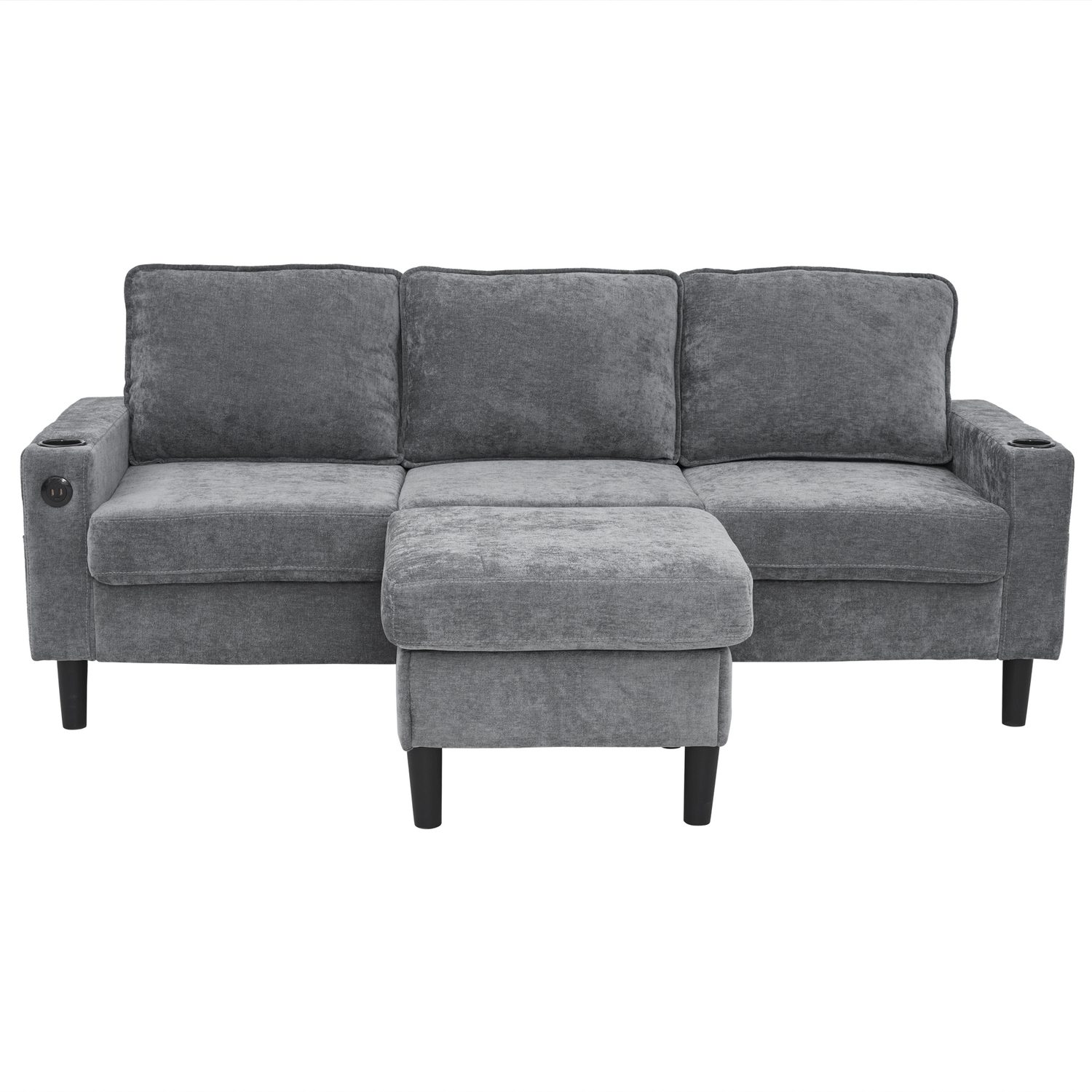
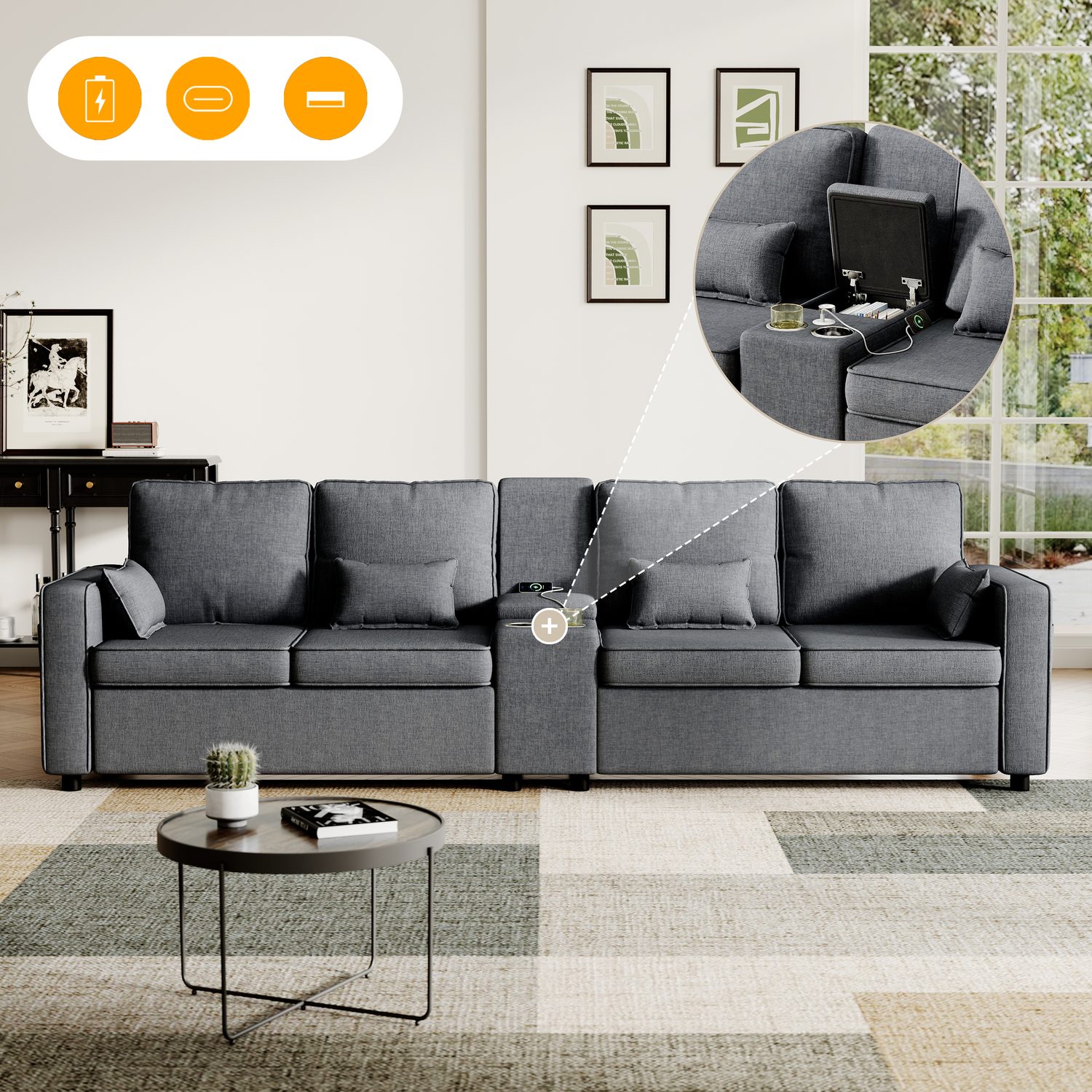
Choosing a sofa sounds simple until you realise it has to do several jobs at once: fit the room, suit the way you live, leave enough walking space and still feel comfortable at the end of a long day. If you are searching for how to choose right sofa size, the key is not just the sofa’s width, but how it works with your full layout, your doorways and the typical proportions of a UK living room.
In many British homes, especially terraces, semis and newer flats, living rooms are narrower than the glossy inspiration photos suggest. A sofa that looks perfectly modest in a showroom can quickly overwhelm a 3.2m x 3.8m lounge. The good news is that a few simple measurements and layout checks can help you buy with confidence. This guide covers practical sizing rules, common UK room dimensions, easy layout diagrams and the trade-offs between compact Sofas, corner sofas and modular designs, with links to useful living room furniture pieces that help the whole room work better.
Start with the room, not the sofa
The most common mistake is falling in love with a sofa first and measuring afterwards. In reality, your room should decide the acceptable sofa size range. Before browsing, measure these five things:
Room length and width in centimetres
Usable wall space, excluding radiators, door swings and alcoves
Walkways between furniture and doors
Window and radiator positions
Access route through the front door, hallway, stairs and internal doors
For most UK homes, it helps to sketch the room to scale on graph paper or use masking tape on the floor. Mark where the sofa would sit, then walk around it. If the taped outline already feels intrusive, the actual sofa will not improve matters.
Key clearance rules to use
These are sensible starting points rather than rigid laws:
Leave 75-90cm for main walkways
Allow 40-50cm between sofa and coffee table
Keep at least 10-15cm from radiators where possible
Avoid blocking more than a small portion of a window
Make sure doors can open fully without hitting the sofa
In older UK properties, walls and chimney breasts can make a room feel tighter than its raw measurements suggest. A 220cm sofa may technically fit on paper, but if it sits between a fireplace projection and a doorway, it can make the whole room feel pinched.
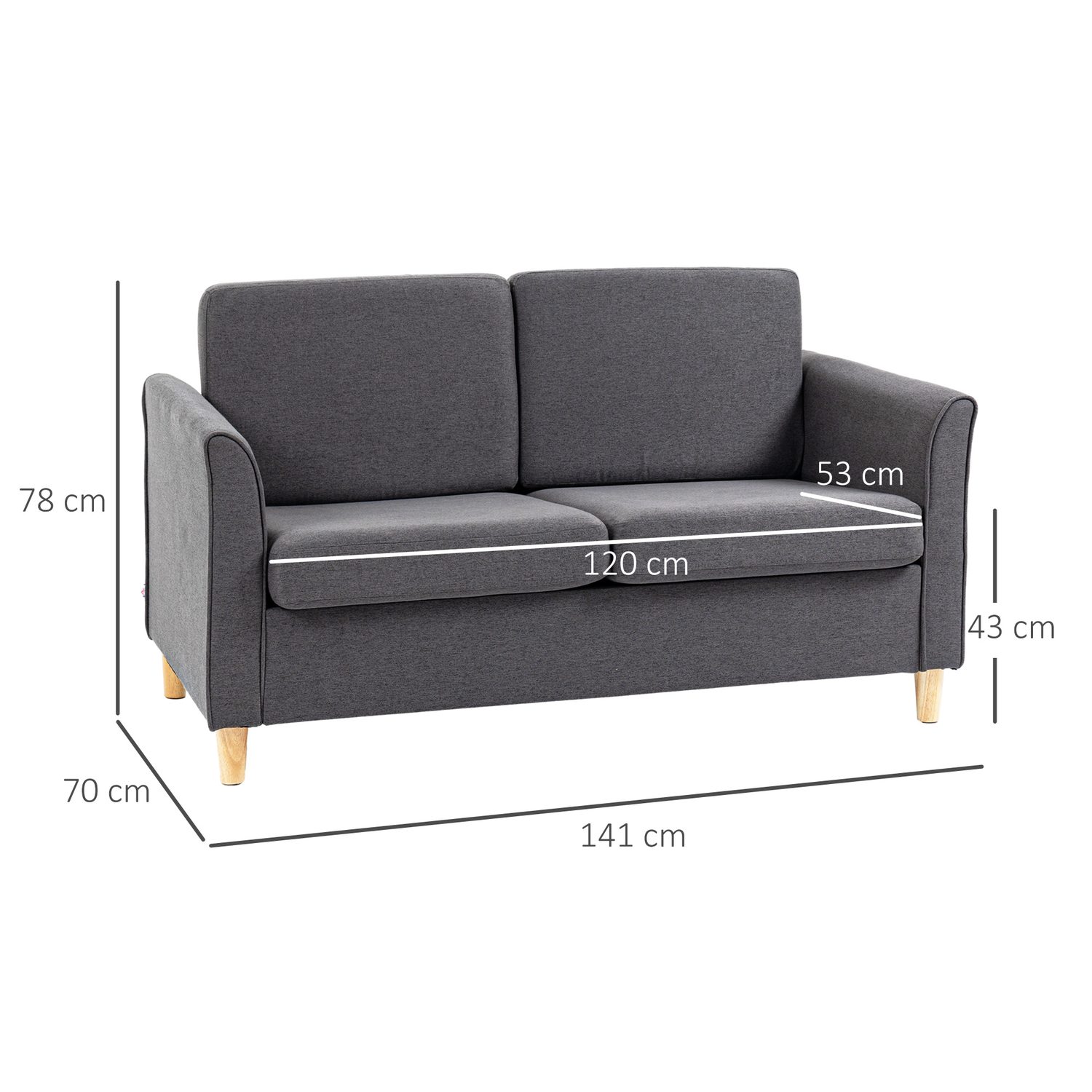
Expert tip: Measure the sofa’s depth as carefully as its width. In compact lounges, depth is often what steals circulation space. A slim-arm sofa with a 90cm depth can feel far less bulky than a plush design at 105cm, even when both seat the same number of people.
Typical UK living room sizes and what sofa sizes usually work
Living rooms in the UK vary widely, but many fall into a few broad categories. The table below gives practical sofa size guidance rather than showroom fantasy. It assumes you also want space for a coffee table or side table and basic circulation.
UK living room size
Typical dimensions
Sofa sizes that usually work
Best layout notes
Compact flat lounge
Approx. 2.7m x 3.3m
2-seater 150-180cm, compact 3-seater up to 195cm
Choose slim arms, raised legs and a shallow depth; avoid oversized chaises
Small terrace/semi living room
Approx. 3m x 3.8m
2.5-seater or 3-seater 180-210cm
Works well with one sofa plus armchair, or a small corner sofa if the room is open on one side
Medium family lounge
Approx. 3.5m x 4.5m
3-seater 200-230cm, small L-shape, modular sofa
Can handle a chaise if walkways remain clear; check TV viewing distance
Larger open-plan room
Approx. 4m x 5m+
Large corner sofa, modular sofa, 2 sofas facing
Use the sofa to zone the space; larger footprints become practical here
If your room is at the smaller end of the scale, be wary of deep, pillow-heavy designs. They can look inviting online but visually dominate a room. In contrast, a sofa with narrower arms and visible legs often feels lighter and gives you more seat width for the same overall footprint.
How to choose the right sofa size step by step
1. Measure the wall, then reduce it
If your available wall is 240cm wide, do not automatically buy a 240cm sofa. You usually want visual breathing room at either side, ideally 10-20cm minimum if the sofa sits between other features. In a room with alcoves, a sofa that is slightly narrower than the recess often looks more intentional than one squeezed in tightly.
As a rule of thumb:
180cm sofa: good for compact rooms and flats
190-210cm sofa: versatile for many UK living rooms
220cm+: best in medium to large rooms with clear circulation
2. Check the depth against your coffee table zone
Depth affects whether a room feels easy to move through. If you want a coffee table, such as a compact option like a cloud-shaped table or a storage design, you need enough distance to sit comfortably and walk past. A bulky sofa paired with a large table is often what makes a room feel cramped, not the sofa alone.
In tighter rooms, smaller-scale pieces from your wider living room furniture plan matter just as much as the sofa. A lighter-profile table, wall shelving or a narrower TV unit can free up valuable floor area.
3. Think about seat count realistically
Many people buy for occasional maximum occupancy rather than everyday use. If two or three people usually use the room, a neat 2.5-seater plus an occasional chair may work better than a huge corner sofa that dominates the space all year round.
Be honest about how you sit too. If you lounge lengthways, a chaise can be brilliant. If multiple people watch TV together, a standard 3-seater may offer more flexible seating positions.
4. Match the sofa shape to the room shape
Not every sofa style suits every floor plan:
Standard straight sofa: easiest to place, best for narrow rooms
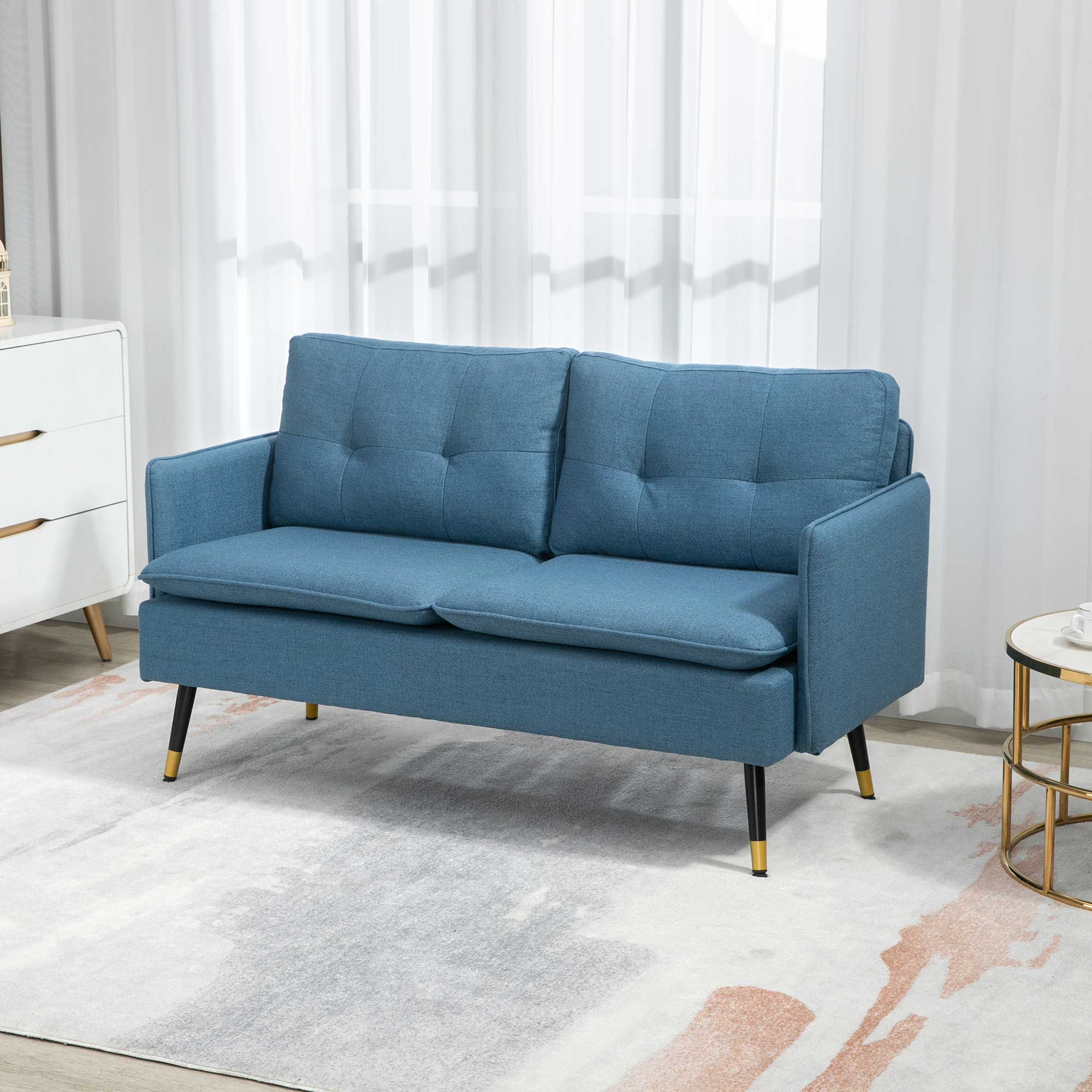
Loveseat or compact 2-seater: ideal for flats, bay-window rooms and snug spaces
Corner sofa: excellent for maximising seating, but can visually fill a room quickly
Chaise sofa: great for lounging, but the extended section can obstruct circulation
Modular sofa: flexible for larger or awkward spaces, though often more substantial in depth
If you are considering a larger family-friendly option, a modular design such as the u-shaped-modular-sofa-with-double-chaise-in-soft-chenille suits genuinely spacious rooms, but it is rarely the right answer for a standard British lounge. This is where honest sizing matters: more seating is not always better if the room loses balance.
Simple layout diagrams for common UK living rooms
You do not need architectural software to test a layout. These simple text diagrams show how sofa placement changes circulation.
Layout 1: Small rectangular lounge
Window
[          ]

2/3-seat sofa
[ SOFA ]

   coffee table
     [CT]

TV unit
 [ TV ]

Door --->
This is the most straightforward arrangement. Keep the sofa opposite the TV and maintain a clear path from the door. In this setup, a TV stand with a compact footprint, such as the modern-tv-stand-led-lights-170cm-black-wood or modern-black-tv-cabinet-with-adjustable-shelves-175cm-lowboa, can help avoid overcrowding the media wall.
Many UK period homes have chimney breasts that reduce usable width. Here, a straight sofa opposite the fireplace usually works better than an L-shape. Use alcoves for storage or shelving rather than trying to push in extra seating.
Layout 3: Open-plan living area
Kitchen/Dining
----------------------

      back of sofa
    [   SOFA   ]
          [CT]
         [ rug ]
         [ TV ]

----------------------
In open-plan rooms, the sofa can act as a divider. This is one of the few situations where a larger corner or modular sofa may earn its footprint. Just remember that once a sofa floats in the room, you need circulation space behind it as well as in front.
How sofa proportions change the feel of the room
Two sofas can have the same width and feel completely different. Pay attention to:
Arm width: slim arms save surprising amounts of space
Back height: lower backs can make a room feel more open, though sometimes at the expense of support
Leg style: exposed legs create a lighter visual footprint
Cushion bulk: thick cushions add comfort but also depth and visual weight
This is especially relevant in UK homes where natural light can be limited for parts of the year. Heavy, dark sofas with chunky arms can make a north-facing room feel denser. That does not mean you must choose pale upholstery, but it is worth balancing a substantial sofa with lighter finishes elsewhere.
Do not forget the delivery route
One of the least glamorous but most important parts of choosing the right sofa size is checking whether it can actually get into the house. Victorian terraces, converted flats and narrow staircases are common stumbling blocks.
Measure:
Front door width and height
Hallway width
Staircase width and turning points
Internal doorways
Lift dimensions in flats
Always compare these against the packaged dimensions, not just the assembled sofa size. Some modular sofas solve access issues because they arrive in sections, but they can still be bulky once assembled. If access is awkward, a compact sofa or sectional design often makes more sense than a one-piece large sofa.
Balancing sofa size with the rest of the furniture
A well-sized sofa can still feel wrong if everything around it is too large. Think of the room as a whole rather than a single hero purchase. If floor space is limited, consider vertical storage or lighter occasional furniture. For example, a wall shelf such as the modern-5-tier-wall-shelf-waterproof can reduce the need for bulky freestanding units, while a compact table like the white-cloud-coffee-table-with-drawer offers surface space without overwhelming the centre of the room.
Similarly, if your media wall is opposite the sofa, the TV unit should be in proportion. Oversized cabinets can force the sofa further back than ideal, especially in a narrow room. Planning the whole layout together usually delivers a better result than upgrading one piece at a time.
Common mistakes to avoid
Buying based only on seat number: a “4-seater” label does not tell you how bulky the frame is
Ignoring depth: often the real culprit in cramped layouts
Pushing every piece against the wall: sometimes this helps, but sometimes it just creates a dead centre space
Forgetting radiator heat: placing a sofa too close can affect comfort and fabric longevity
Choosing a giant corner sofa for occasional guests: useful in some homes, excessive in others
Not testing viewing distance: sofa and TV should feel comfortable together, not forced
There is also a comfort trade-off to acknowledge. Smaller sofas often fit better, but some compact designs compromise on seat depth or back support. If you spend hours watching television or reading, comfort should not be sacrificed purely for a tidier floor plan. The best choice is usually the largest sofa your room can handle without disrupting circulation.
What size sofa is best for most UK homes?
For many average UK living rooms, the sweet spot is a sofa around 190cm to 210cm wide with a moderate depth of roughly 85cm to 95cm. That size typically seats three adults, fits a wide range of layouts and leaves enough room for a coffee table and TV unit.
If your room is smaller than average, a compact 2-seater or 2.5-seater will often look and function better than trying to squeeze in a full corner sofa. If your room is larger or open-plan, modular and chaise designs become more realistic, but they still need careful measuring.
Ultimately, choosing the right sofa size is about proportion, not maximum scale. A sofa should anchor the room, not swallow it.
FAQs
What is the best sofa size for a small UK living room?
For a small UK living room, a compact 2-seater or small 3-seater between roughly 150cm and 195cm wide is usually the safest choice. Look for slim arms and a shallower depth so the room still has comfortable walkways.
How much space should I leave around a sofa?
Try to leave 75cm to 90cm for main walkways and around 40cm to 50cm between the sofa and coffee table. You should also leave a little breathing room from walls, radiators and door swings where possible.
Is a corner sofa a good idea in a standard British lounge?
Sometimes, but not always. A small corner sofa can work well in a medium-sized room or open-plan space, but in many standard UK lounges it can dominate the layout and reduce flexibility more than a straight sofa and chair combination.
How do I know if a sofa will fit through my door?
Measure your front door, hallway, stairs, internal doors and any tight turns, then compare them with the packaged dimensions supplied by the retailer. This matters just as much as the room size, especially in terraces, flats and older homes with narrow access.
Should the sofa or the TV wall be chosen first?
Usually the sofa should come first, because it takes up more physical and visual space. Once you know the sofa size and position, it is much easier to choose a TV unit, coffee table and storage that keep the room balanced.
If you are deciding between two sofa sizes, choose the one that leaves the room easier to move through. In most homes, a well-proportioned sofa paired with thoughtful living room furniture will feel better every day than the biggest model you can physically squeeze in.
Villalta Home Editorial is the in-house byline used for buying guides and product roundups on villaltaco.uk. Each guide is written by the editorial team, drawing on the catalogue's measurable data — real dimensions, materials, UK use cases, price bands — and on hands-on research into how products actually perform in UK homes. Every post tagged with this byline is reviewed and approved by Juan Antonio Villalta Pacheco, the founder and editor, before it goes live. See our editorial standards for the full process.